- Home
- Application
-
Aluminum Alloy Sheets for Storage Silos and Hoppers
Email:sales@alummc.com
WhatsApp:+86-18703635966
Get a quotation -
Products
Email:sales@alummc.com
WhatsApp:+86-18703635966
Get a quotationProducts
Storage silos are essential equipment for material storage in the grain, feed, chemical, food, and other industries. They are subjected to static material loads, moisture exposure, and temperature fluctuations over long periods.
Traditional carbon steel and galvanized steel silos can suffer from rust contamination of stored materials, excessive weight that significantly increases foundation and structural costs, and frequent maintenance requirements such as rust removal and recoating every two or three years. Aluminum sheets form a dense natural oxide film on their surface, fundamentally reducing the risk of rusting. With a density approximately one-third that of steel, aluminum also significantly reduces silo structural loads. It is increasingly becoming a preferred material for high-standard bulk material storage applications.
For silo construction, 5052 aluminum alloy with a magnesium content of approximately 2.2%–2.8% is generally the preferred choice. It provides an excellent balance of corrosion resistance, weldability, strength, and lightweight performance. Compared with stainless steel, it can offer lower material costs while maintaining a long service life.
3003 aluminum sheet is an economical secondary option, 5083 is suitable for high-strength applications, and 1060 should only be used in low-strength scenarios. Incorrect material selection may result in weld cracking, corrosion leakage, structural deformation, or unnecessary costs.
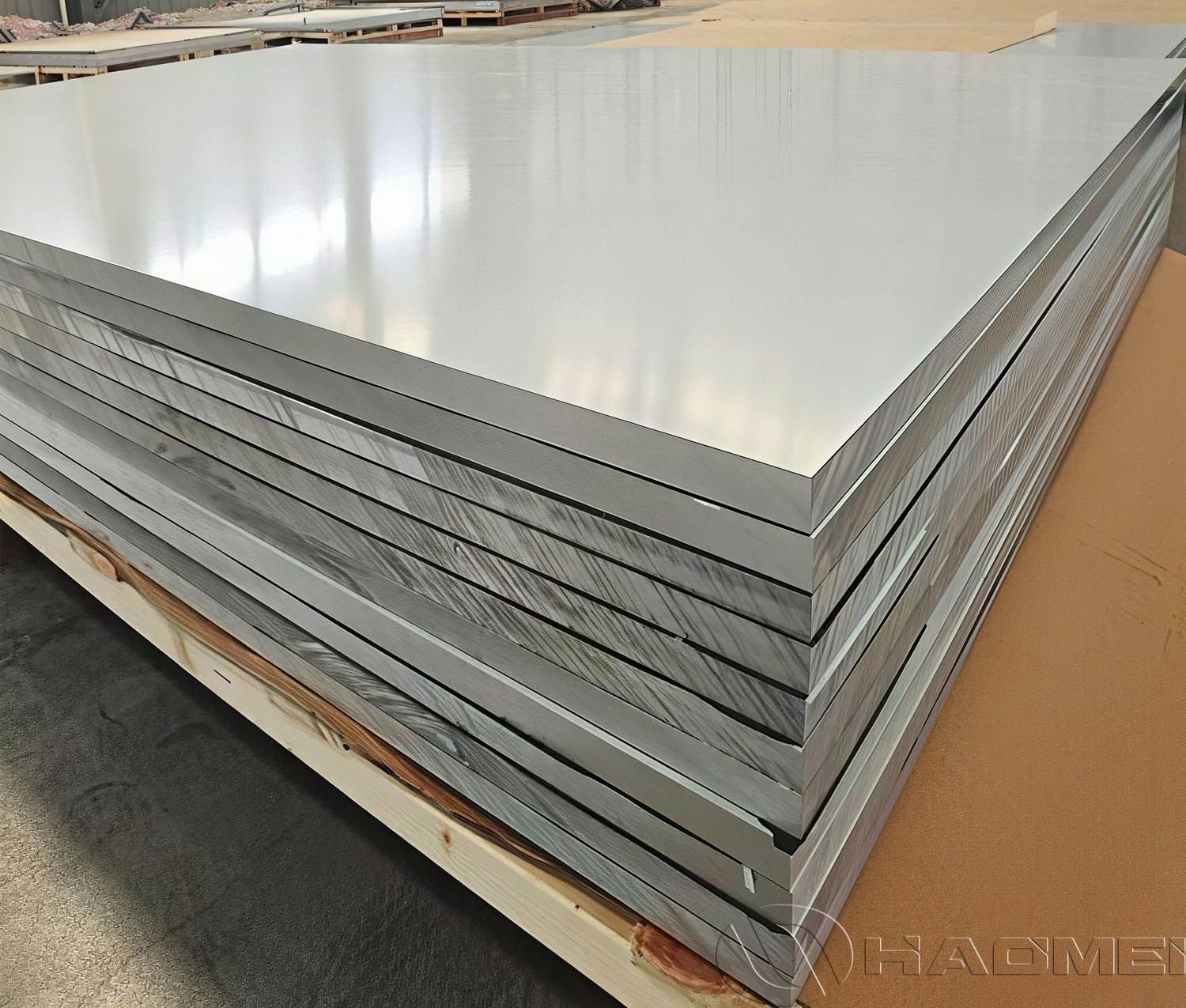
5052 (H32 / H112) — Mainstream Aluminum Sheet for Silos
5052 is an aluminum-magnesium anti-rust alloy with moderate strength, balanced corrosion resistance, excellent cost performance, and good forming and welding properties. It is the preferred material for grain silos, feed silos, plastic pellet storage silos, and standard powder storage silos. It is one of the most widely used alloys for storage equipment.
5083 (H112 / O) — High-Strength and High-Corrosion-Resistance Option
5083 contains a higher magnesium content and offers greater strength, fatigue resistance, and resistance to seawater and corrosive media. It is suitable for coastal areas, fertilizer storage, corrosive chemical powders, large-capacity and high-pressure silos, export projects, and applications involving long-term harsh operating conditions.
3003 (H14 / H24) — Rust-Resistant Aluminum-Manganese Alloy
3003 aluminum sheet has good ductility and bendability at an economical cost. It is commonly used for small hoppers, chutes, internal flow guide plates, cover plates, and auxiliary components. It is suitable for supporting parts with moderate strength requirements.
1060 / 1050 Pure Aluminum Sheet
1050 and 1060 aluminum sheets have excellent elongation and clean surfaces. They are suitable for fine powders and pharmaceutical raw material storage where impurity control is particularly important. Due to their relatively low strength, they are mainly used as liner sheets or internal linings.
6061-T6 — Heat-Treated High-Strength Aluminum Alloy
6061-T6 has high strength and is suitable for silo support flanges, pressure-bearing connectors, and structural parts requiring machining. It is generally not used as the main silo wall material.
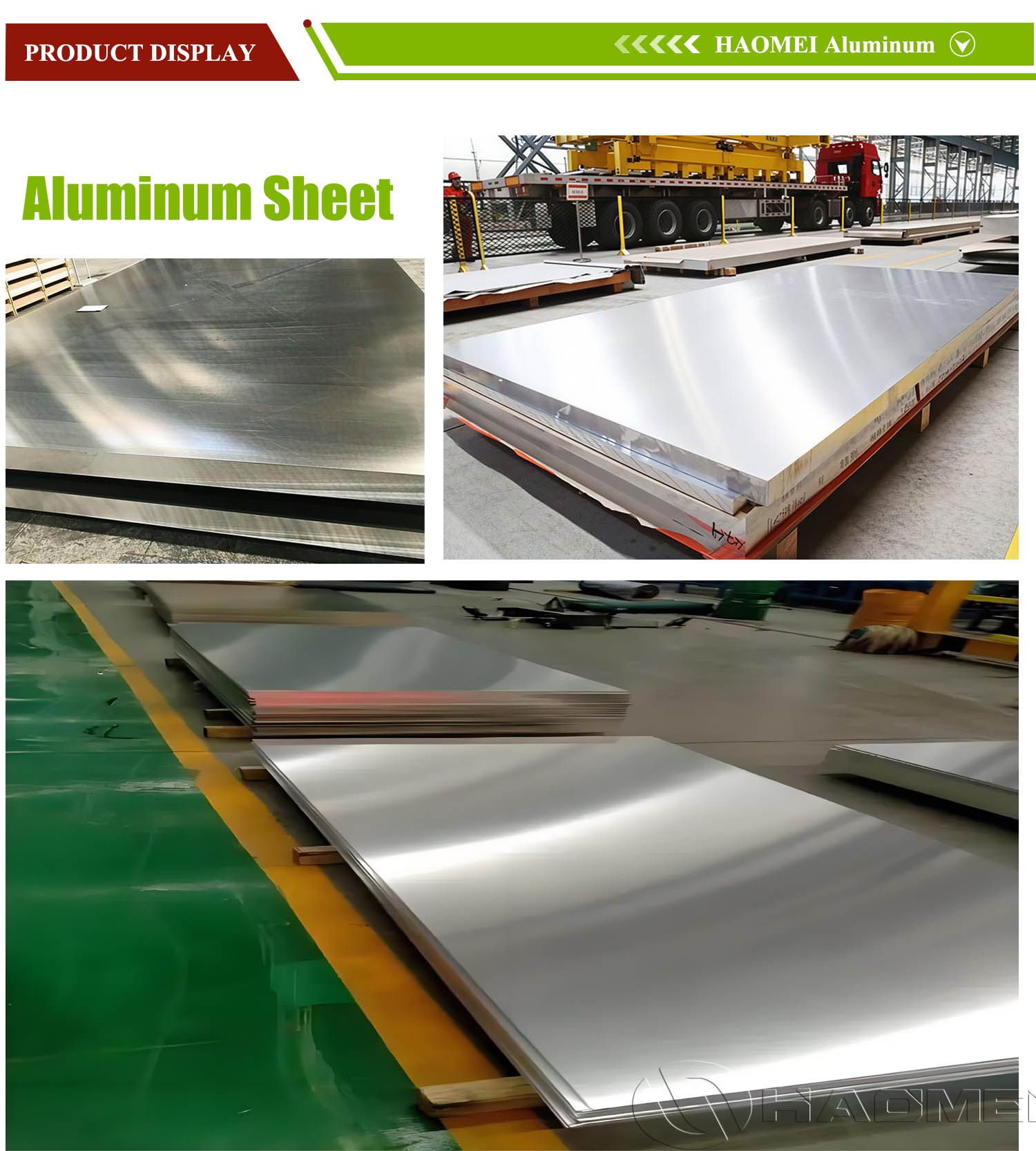
We can supply a variety of dimensions and delivery forms to meet the purchasing requirements of silo manufacturers, equipment producers, engineering contractors, and trading companies.
| Item | Available Range |
| Product Name | Aluminum alloy sheet for silos, aluminum sheet for hoppers, aluminum sheet for bulk material storage equipment |
| Material Form | Aluminum sheet, aluminum coil, leveled sheet, cut-to-length sheet, cut sheet |
| Common Alloys | 1050, 1060, 1100, 3003, 3004, 3104, 5052, 5083, 6061, etc. |
| Common Tempers | O, H14, H24, H32, H111, H116, T4, T6, etc. |
| Thickness Range | 2.5-20 mm; customizable upon request |
| Width Range | 1000-2650 mm |
| Length Range | 1000-16000 mm |
| Density | Approx. 2.7 g/cm³ |
| Surface Finish | Mill finish, brushed finish, film-laminated surface, degreased surface, customized surface treatment |
| Packaging | Moisture-proof paper, pallet packaging, wooden frame packaging, reinforced export packaging |
| MOQ | 1-3 tons |
1. Lightweight
With a density approximately one-third that of steel, aluminum alloy sheets reduce the self-weight of the silo, lower support structure loads, and facilitate lifting, transportation, and elevated installation.
2. Corrosion Resistance
A dense natural oxide film forms on the aluminum surface, making it less prone to rust in humid, rainy, coastal, and high-moisture environments. This reduces maintenance requirements and makes aluminum suitable for storing grain, feed, food ingredients, plastic pellets, fertilizers, and certain chemical powders.
3. Excellent Processability
Aluminum sheets are suitable for rolling, bending, punching, rib forming, drawing, welding, and cutting. They can be fabricated into cylindrical silos, square storage bins, conical hoppers, and various non-standard structural parts with stable forming performance and a low risk of cracking or deformation.
4. Good Weldability
Suitable for TIG welding, MIG welding, and other processes, aluminum alloy sheets facilitate the assembly of silo bodies, conical hoppers, stiffeners, and flanges. Proper welding contributes to sealing performance and overall structural reliability.
5. Clean Surface
The smooth surface is easy to clean and can be treated by brushing, anodizing, passivation, and other processes. It is suitable for applications with high cleanliness requirements, such as food and feed storage. Where aluminum comes into direct contact with food or pharmaceutical products, compliance with applicable regulations must be separately verified.
6. Long Service Life and Low Maintenance Cost
Aluminum is not prone to rusting, reducing the need for anti-corrosion coating, rust removal, repair work, and panel replacement. It offers favorable long-term operating economics.
Roll Forming
Aluminum sheets have good plasticity and stable performance in rolling and bending, making them suitable for cylindrical shell fabrication. H112 temper is particularly suitable for post-rolling welded forming.
Welding
5052, 5754, and 5083 alloys offer good weldability. Under suitable welding procedures, weld joint strength can reach approximately 90%–95% of the base metal strength. Gas welding, arc welding, and resistance welding methods may be used. Extra-wide sheets can reduce the number of weld seams, lowering welding workload and leakage risk.
Punching and Flange Connections
The material supports secondary processing such as punching and cutting, making it suitable for prefabricated flange connection systems used in modular silos.
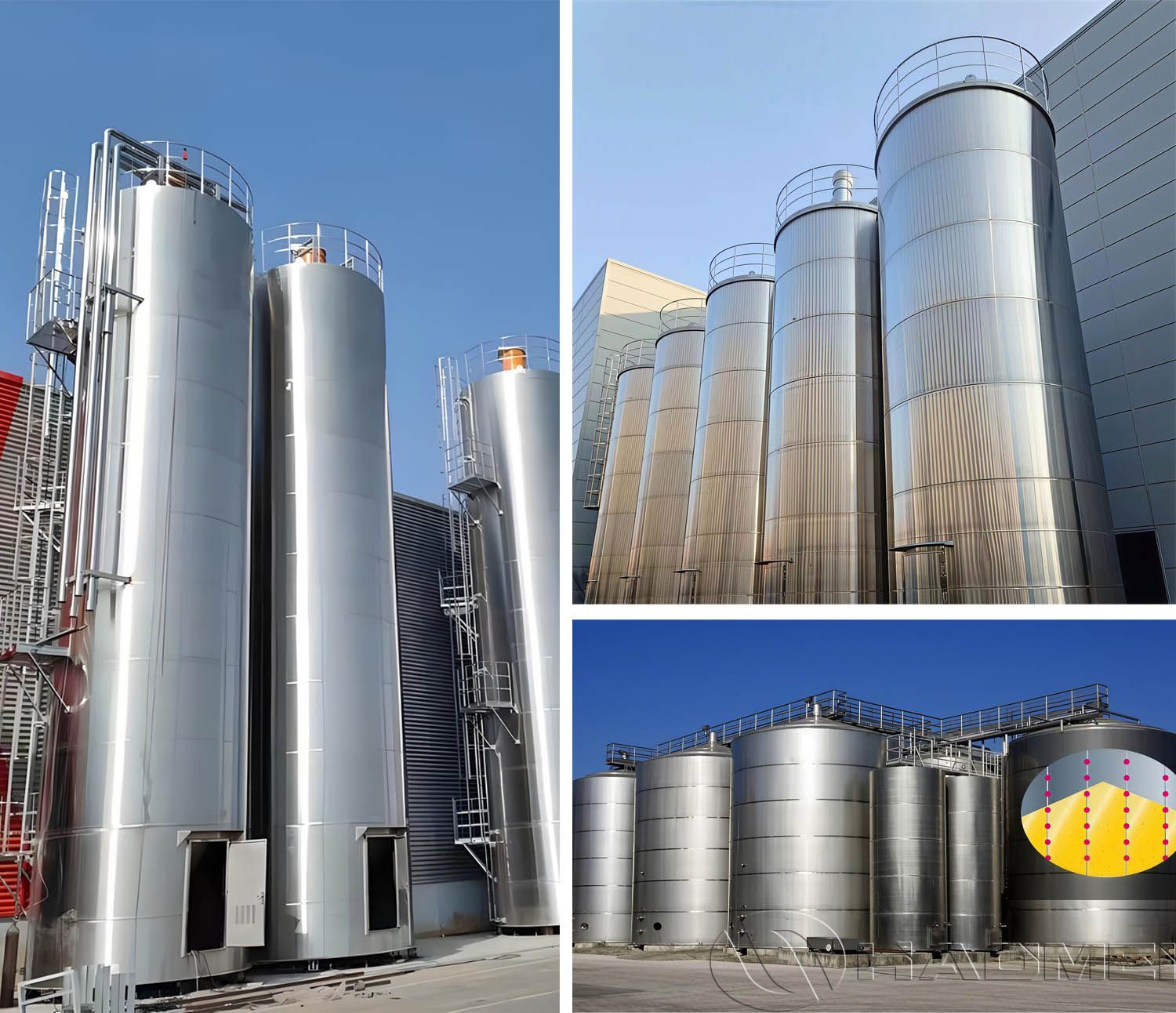
Grain Storage: Cylindrical silo wall panels and roofs for wheat, corn, rice, and other grains
Feed Processing: Raw material silos, finished feed silos, batching silos, cylindrical bodies, and conical hoppers
Chemical Storage: Storage tanks for fertilizers, plastic pellets, and powder materials
Food Processing: Food-grade storage silos for flour, starch, powdered sugar, and similar products
Edible Oil Industry: Vegetable oil storage tanks and oilseed storage bins
1. Incorrect Temper Selection Can Undermine the Entire Project
H112 temper should be selected when appropriate: Its work-hardened condition supports roll forming and can help achieve good cylindrical roundness, such as a roundness deviation of ≤ D/1000.
Avoid O temper for unsupported applications: Annealed aluminum has lower stiffness and may be more susceptible to bulging or deformation under material impact loads. However, the final temper selection should be based on structural calculations, forming requirements, and reinforcement design.
2. Extra-Wide Sheet Is Not Suitable for Every Component
Aluminum sheets up to 2,650 mm wide are generally more suitable for straight cylindrical sections.
Conical sections and dished heads often require narrower sheets or specially designed blanks. Improper blank dimensions may increase the risk of tearing during roll forming.
3. Surface Treatment and Fastener Compatibility
For anodizing, the coating thickness should be specified according to the application. Excessively thick anodic films may become brittle and crack during severe forming operations.
Avoid direct contact between aluminum and galvanized fasteners, as aluminum-zinc contact may cause galvanic corrosion in the presence of moisture. Stainless steel fasteners with insulating washers are recommended.
1. Select the Alloy Grade Based on the Stored Material
The corrosiveness, abrasiveness, and flow behavior vary significantly among stored materials. Before selecting materials, determine the material name, moisture content, temperature, chemical composition, and storage conditions. These factors should be used to determine the suitable aluminum alloy grade and surface treatment solution.
2. Determine Sheet Thickness Based on Silo Loads
Sheet thickness should not be determined solely by silo capacity or experience. It should consider lateral pressure from stored materials, roof and accessory loads, wind loads, snow loads, seismic loads, dynamic discharge loads, and local stress concentrations.
For large silos and deep conical hoppers, qualified engineering personnel should perform structural calculations in accordance with applicable design codes to determine sheet thickness, stiffener spacing, and connection methods.
3. Select the Temper According to the Manufacturing Process
Material temper affects strength, elongation, and bending performance. O temper provides better formability, while work-hardened tempers offer higher strength. For roll forming, deep drawing, or complex bending structures, forming performance and minimum bend radius should be verified before placing a bulk order.
4. Evaluate Joint Performance Based on the Welding Method
For aluminum alloy welding, heat input, shielding gas, joint design, and operator skill all affect weld quality. Ensure that the base material, filler wire, and welding procedure are compatible. Critical welds should undergo visual inspection, dimensional inspection, and non-destructive testing as required. Equipment with sealing requirements should also be subjected to leak testing.
WELCOME TO CONTACT US
Your information is for contact only and will not be shared with any third party.