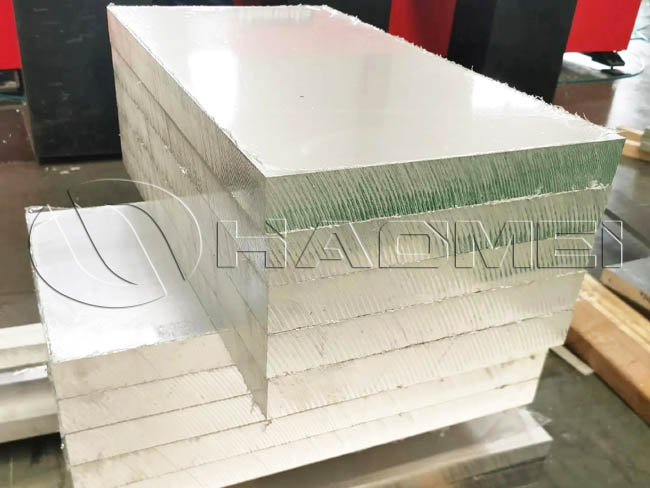
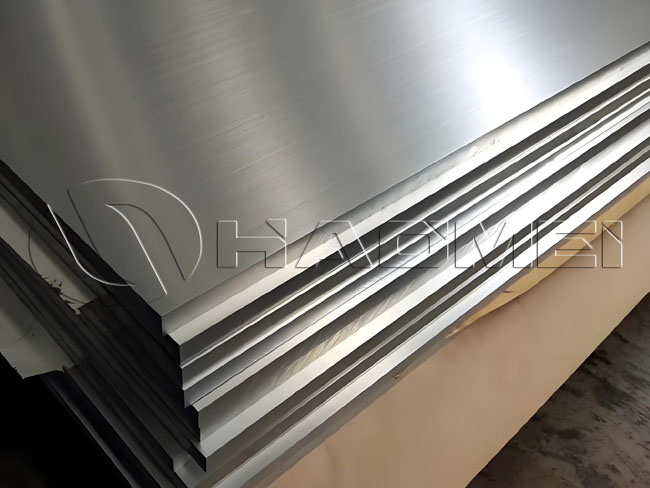
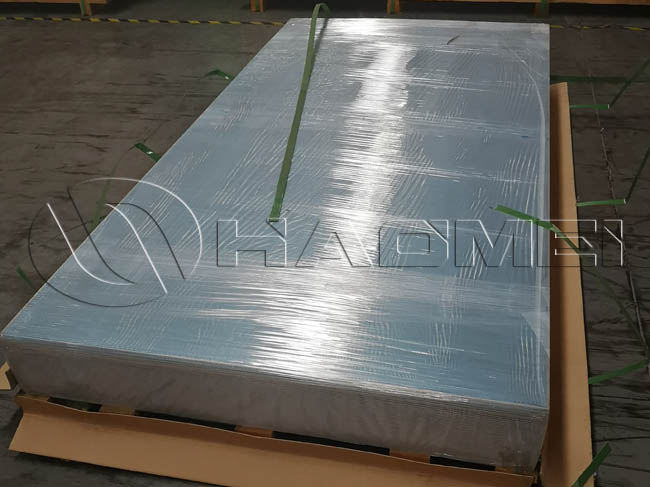
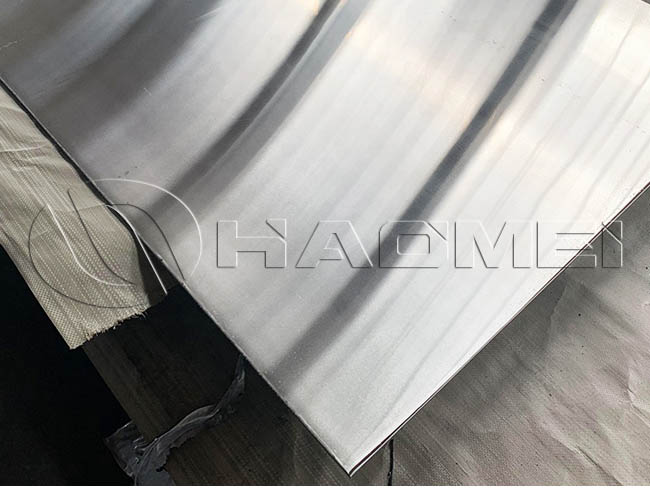
Introduction to 7075 Aluminum Sheet
7075 aluminum alloy sheet is one of the highest-strength aluminum alloys currently available. It is well known for its outstanding performance in aerospace, automotive, and structural applications. It is often selected as a lightweight yet high-strength alternative to titanium or mild steel where weight reduction is critical.
7075 aluminum alloy is a high-strength, heat-treatable wrought aluminum alloy belonging to the aluminum-zinc-magnesium-copper (Al-Zn-Mg-Cu) family, commonly known as a super-hard aluminum alloy.
After heat-treatment strengthening, it can achieve exceptionally high strength and excellent mechanical properties, making it highly suitable for high-stress structural components.
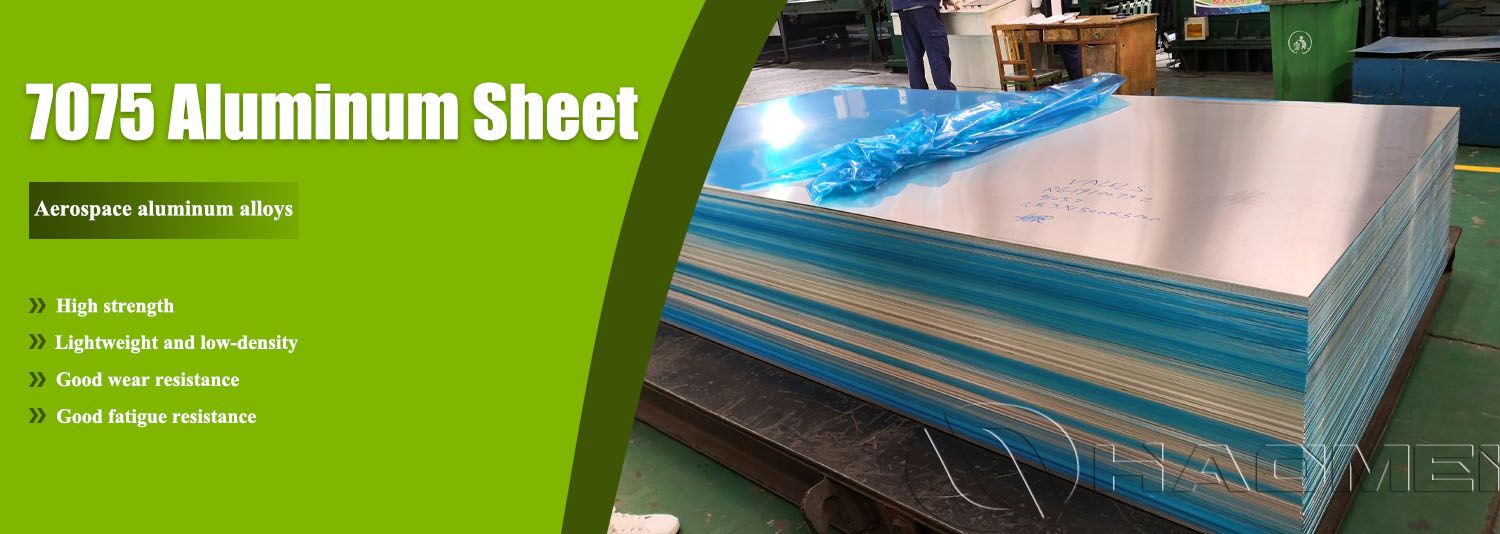
7075 aluminum sheet offers clear advantages in applications with demanding requirements for material strength, weight reduction, and dimensional stability, such as aerospace, mold manufacturing, machinery and equipment, and the automotive industry.
Development History
7075 aluminum alloy was first developed by Sumitomo Metal of Japan in 1936 and was later adopted by the U.S. aerospace industry during World War II. Today, it remains one of the most reliable and widely used aerospace-grade aluminum alloys.
Chemical Composition of 7075 Aluminum Alloy (%)
| Element | Zn | Mg | Cu | Cr | Si | Fe
| Mn | Al
|
| Content | 5.1-6.1 | 2.1-2.9
| 1.2-2.0
| 0.18-0.28 | ≤0.40 | ≤0.50 | ≤0.30 | Remainder |
Product Specifications
| Item | Specification |
| Alloy | 7075 |
| Temper | O, T6, T651, T73, T7351, etc. |
| Thickness Range | 1–300 mm |
| Width Range | 1,000–2,650 mm, etc. |
| Length Range | 2,000–16,000 mm or cut to size |
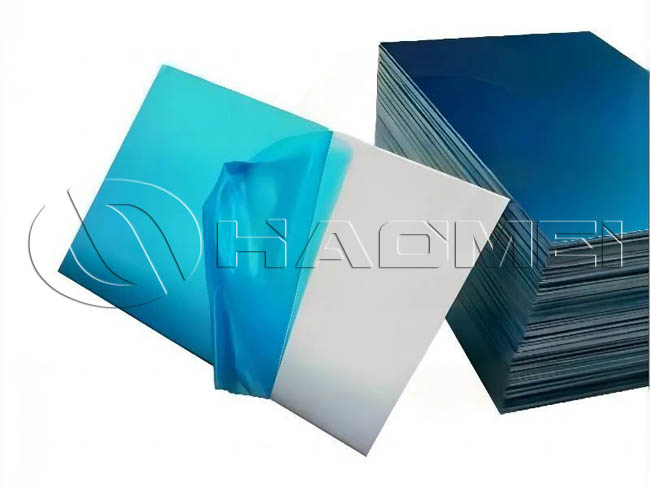
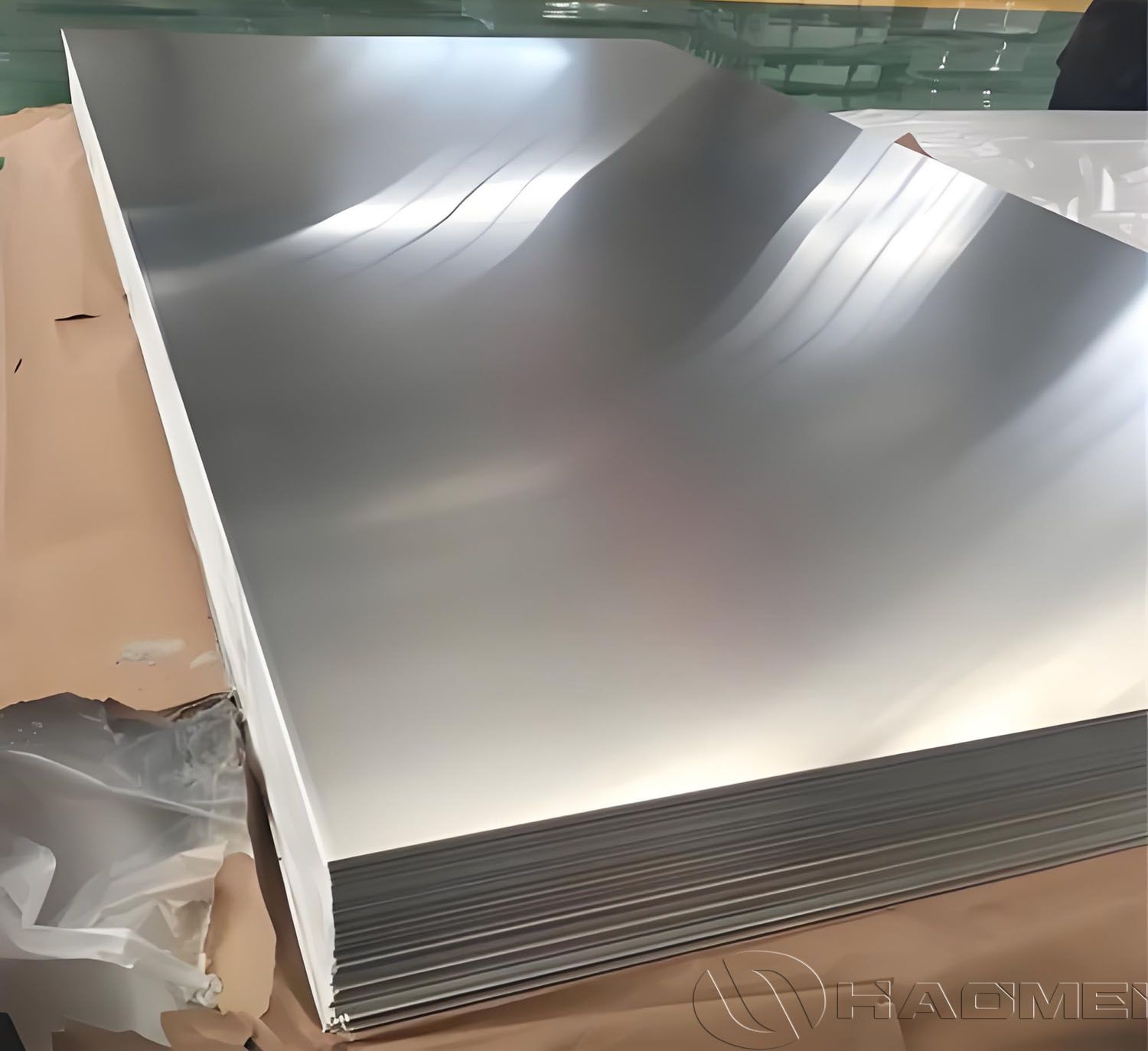
| Surface Finish | Milled surface, brushed, anodized, protective-film covered, saw-cut surface, precision-machined plate, etc. |
MOQ
| 3 tons |
Physical Properties
| Property | Value |
| Density | 2.81 g/cm³ |
| Melting Range | 477–635°C |
| Thermal Conductivity | 130 W/(m·K) |
| Electrical Conductivity | 33% IACS |
| Coefficient of Thermal Expansion | 21.2 μm/(m·K) |
| Corrosion Resistance | Moderate to good |
Mechanical Properties
| Temper | Tensile Strength | Yield Strength | Elongation | Hardness |
| 7075-T6 | Approx. ≥540 MPa | Approx. ≥480 MPa | Approx. 7%–11% | Approx. HB 150 |
| 7075-T651 | Approx. ≥540 MPa | Approx. ≥470 MPa | Approx. 7%–11% | Approx. HB 150 |
| 7075-T73 | Approx. ≥480 MPa | Approx. ≥400 MPa | Approx. 8%–13% | Slightly lower than T6 |
| 7075-T7351 | Approx. ≥470 MPa | Approx. ≥390 MPa | Approx. 8%–13% | Slightly lower than T651 |
Key Features of 7075 Aluminum Sheet
1. Ultra-High Strength
The most significant feature of 7075 aluminum plate is its high strength. In heat-treated tempers such as T6 and T651, its tensile strength and yield strength are far higher than those of ordinary aluminum alloy sheets and can approach the strength levels of certain steels.
Compared with steel, 7075 aluminum plate maintains high strength at a much lower density and weight. It is therefore particularly suitable for structures requiring lightweight design.
2. Lightweight Performance
Aluminum alloys have a density of approximately 2.8 g/cm³, which is only about one-third that of steel. While offering high strength, 7075 aluminum plate also provides substantial weight-saving benefits. It can reduce the overall weight of equipment, improve operating efficiency, and lower energy consumption.
3. Good Machinability
7075 aluminum plate has good cutting and machining performance. It can be processed by milling, turning, drilling, CNC machining, engraving, and other precision-machining methods.
Its dense microstructure and good dimensional stability make it suitable for high-precision parts and complex structural components.
4. Excellent Heat-Treatment Response
7075 is a heat-treatable aluminum alloy. Solution heat treatment and aging can significantly improve its mechanical properties. Common tempers include T6, T651, T73, and T7351, each offering different combinations of strength, toughness, and corrosion resistance.
5. Good Wear Resistance
Due to its relatively high hardness, 7075 aluminum plate has better surface wear resistance than many conventional aluminum alloys. It is suitable for mechanical components subjected to friction, impact, and load.
6. Good Fatigue Resistance
7075 aluminum plate provides good fatigue resistance under cyclic loading conditions. Therefore, it is often used for aircraft structural parts, high-speed moving components, and load-bearing connectors.
Common Tempers of 7075 Aluminum Plate
| Temper | Description | Key Features |
| 7075-T6 | A commonly used high-strength temper produced through solution heat treatment and artificial aging. It has high strength and hardness for components requiring high load capacity. | High strength; high hardness; good machinability; suitable for structural parts, mechanical components, and mold parts. |
| 7075-T651 | T6 temper followed by stretching for stress relief. It offers improved dimensional stability and machining stability, especially for CNC precision machining. | Low internal stress; minimal machining deformation; good dimensional stability; suitable for precision components, mold plates, and aircraft structures. |
| 7075-T73 | Produced through a special aging process to improve stress-corrosion resistance while maintaining high strength. | Better stress-corrosion resistance than T6; good toughness; suitable for aerospace, marine environments, and corrosion-sensitive structures. |
| 7075-T7351 | Combines stress relief with improved corrosion resistance, making it suitable for large plates and high-reliability structural components. | Good stress-corrosion resistance; low internal stress; stable machining performance; suitable for aerospace and high-end equipment components. |
Processing Options for 7075 Aluminum Sheet
1. Machining
7075 aluminum sheet has good cutting performance and is suitable for CNC machining, milling, drilling, tapping, boring, and related processes. For precision-machined parts, T651 or T7351 temper is recommended to minimize deformation during machining.
2. Surface Treatment
7075 aluminum sheet can be anodized, hard anodized, sandblasted, brushed, polished, and coated. Because of its relatively high copper content, the color uniformity and corrosion resistance after anodizing may differ from alloys such as 6061. Sample testing is recommended before production.
3. Weldability
7075 aluminum sheet has relatively poor weldability. Welding may cause strength reduction, cracking, and other issues, so it is generally not recommended for welded structural applications. If welding is necessary, suitable welding procedures and filler materials should be selected and professionally evaluated.
4. Bending and Forming
7075-T6 and T651 plates have high hardness and relatively low ductility, making them unsuitable for severe cold bending. For forming applications, annealed temper material or hot-forming processes may be considered according to actual requirements.
Applications of 7075 Aluminum Plate
1. Aerospace
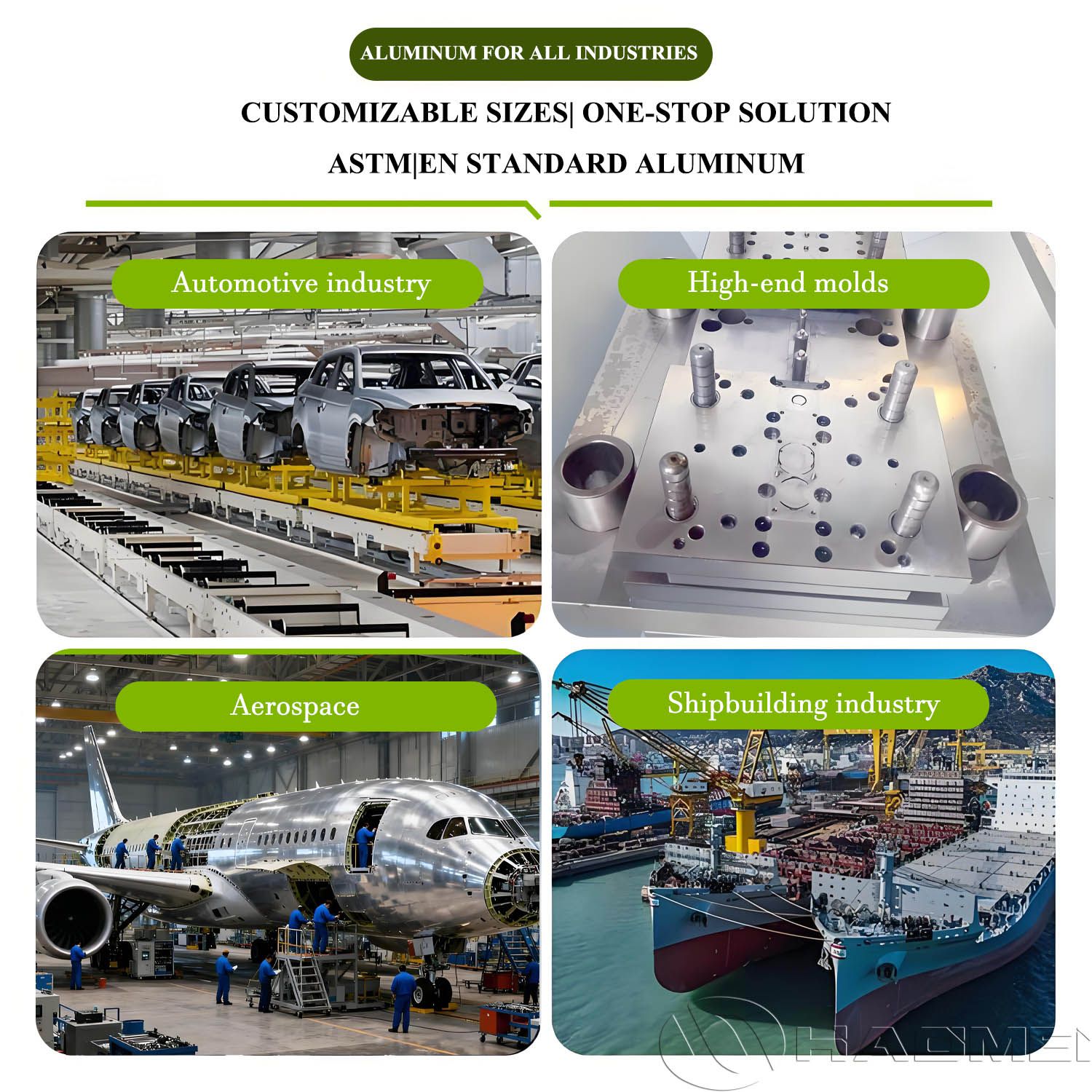
7075 aluminum plate is used in upper and lower aircraft wing skins, stringers, bulkheads, landing gear components, rocket structures, satellite brackets, and other critical structural components. It ensures structural strength and flight safety while reducing weight, making it a standard material in the aerospace industry.
2. High-End Molds
It is suitable for blow molds, ultrasonic plastic welding molds, shoe molds, pulp molding dies, foam forming molds, and other applications. Its high hardness, wear resistance, and dimensional stability can increase mold service life by 3–5 times compared with ordinary aluminum materials while improving machining accuracy.
3. Precision Machinery and High-End Equipment
Typical applications include golf club heads, high-end bicycle frames, precision fixtures, and heavy forgings. It combines lightweight properties with high strength to meet demanding requirements in premium sports equipment and precision industrial machinery.
4. Military and Specialized Applications
It is used for weapon system structural components, precision instrument housings, explosion-proof parts, and related products. Its high strength, impact resistance, and dimensional stability meet the high-reliability and safety requirements of military applications.
5. Automotive and Rail Transportation
7075 aluminum plate can be used in high-performance automotive structural parts, racing components, suspension parts, connectors, body reinforcement components, and lightweight rail transportation structures.
6. Electronics and Communication Equipment
7075 aluminum plate is widely used in high-end electronic equipment, communication base stations, heat-dissipation structural components, drone frames, and precision instrument enclosures because of its high strength and good machinability.
Differences Between 7075 Aluminum Plate and Other Aluminum Alloys
1. 7075 vs. 6061 Aluminum Plate
6061 is a 6000 series aluminum alloy with balanced overall properties, good corrosion resistance, and good weldability. However, its strength is lower than that of 7075.
7075 aluminum plate is more suitable for high-strength structural components, while 6061 is more suitable for general structural parts, welded components, and products requiring higher corrosion resistance.
2. 7075 vs. 2024 Aluminum Plate
2024 aluminum plate is a 2000 series high-strength aluminum alloy with good machinability but moderate corrosion resistance. 7075 aluminum plate generally offers higher strength and is suitable for structural components subjected to higher loads. Both alloys are widely used in aerospace applications.
3. 7075 vs. 5052 Aluminum Plate
5052 aluminum plate has excellent corrosion resistance, formability, and weldability, but its strength is significantly lower than that of 7075 aluminum plate.
7075 is better suited for load-bearing structures and high-strength parts, while 5052 is more suitable for sheet-metal components, enclosures, marine sheets, and similar applications.