1050 Aluminum Sheet
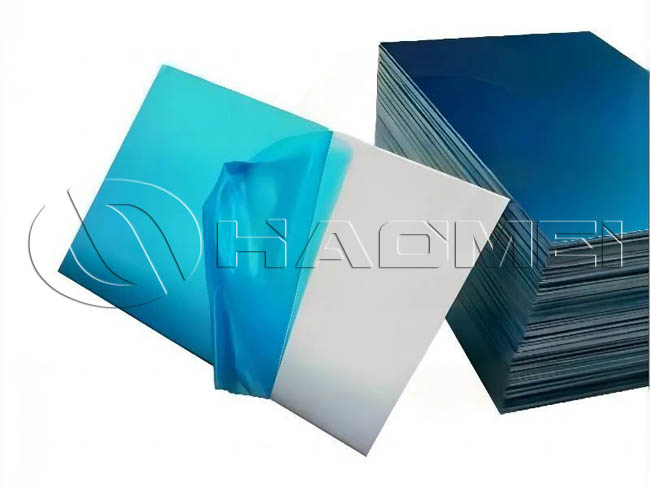
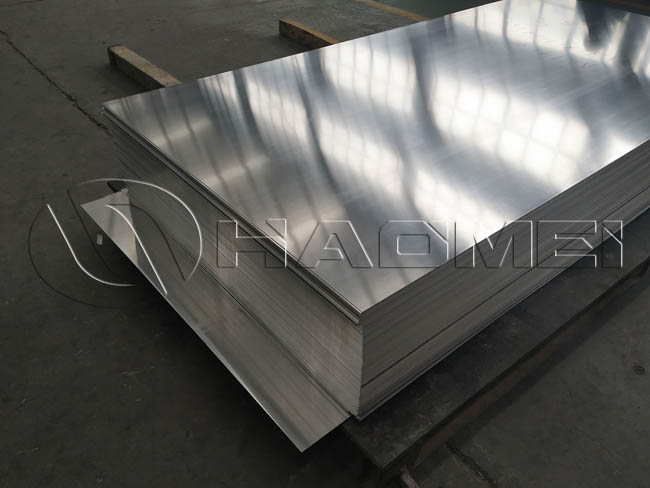
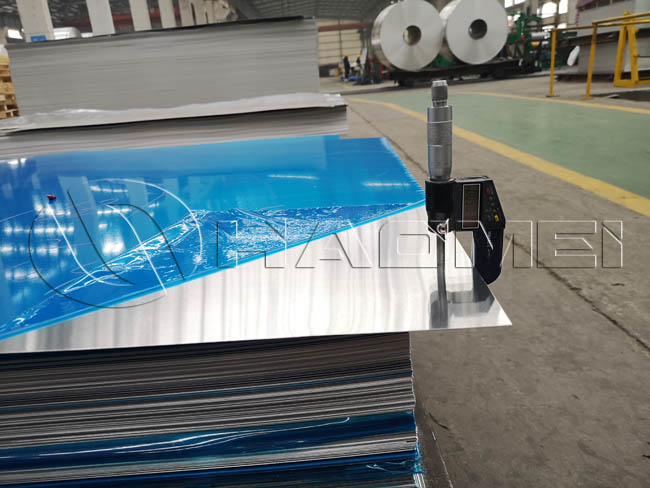
1050 aluminum sheet has an aluminum content of 99.5% and exhibits excellent corrosion resistance, formability, and electrical conductivity.
- Alloy:1050
- Temper:O, H12, H14, H16, H18, H24, H26, H19, etc.
- Thickness:0.2–260 mm
1050 aluminum sheet has an aluminum content of 99.5% and exhibits excellent corrosion resistance, formability, and electrical conductivity.
1050 aluminum sheet belongs to the 1000 series of high-purity aluminum sheets. With an aluminum content of ≥99.5%, it offers excellent corrosion resistance, formability, and electrical conductivity. Thanks to its high purity and stable chemical properties, 1050 aluminum sheet is widely used in aerospace, architectural decoration, chemical equipment, food packaging, and general industrial processing.
1050 aluminum sheet is a commercially pure aluminum product in the 1000 series, containing 99.5% aluminum. In addition to aluminum, the alloy contains approximately 0.4% iron, allowing it to maintain high purity while delivering excellent electrical conductivity. As a member of the 1000 series aluminum alloys, 1050 aluminum sheet provides outstanding corrosion resistance and stable performance in a wide range of environmental conditions.
Common tempers for 1050 aluminum sheet include H14, H24, and O temper. Suitable hardness and flexibility can be selected according to different processing requirements.
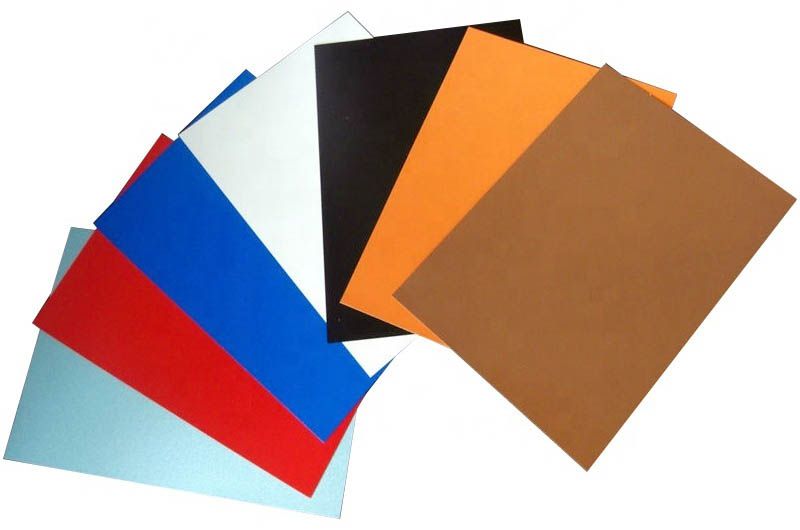
Thickness: 0.2-6mm
Coating thickness: 5-25UM
1050 color coated aluminum sheet is widely used in caps, bottle caps, cans, cosmetic caps, etc.
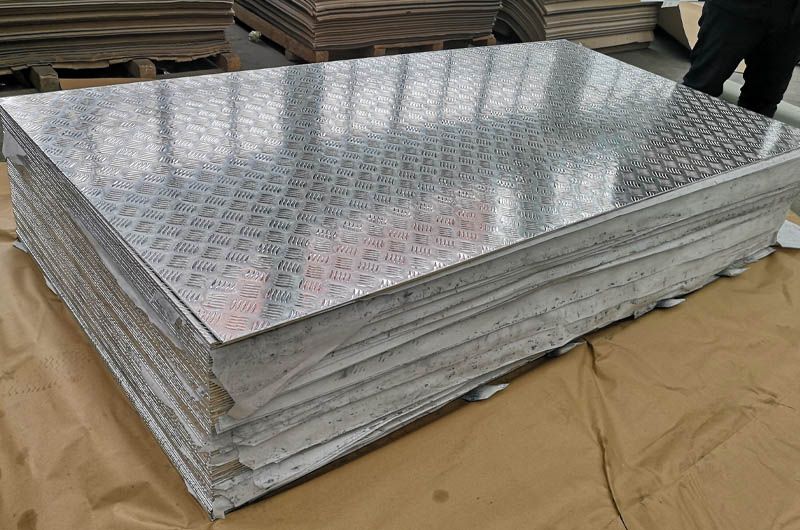
Common thicknesses: 0.025", 0.063", 0.100"
It is commonly used for applications such as stair treads, wall panels, and industrial anti-slip walkways.
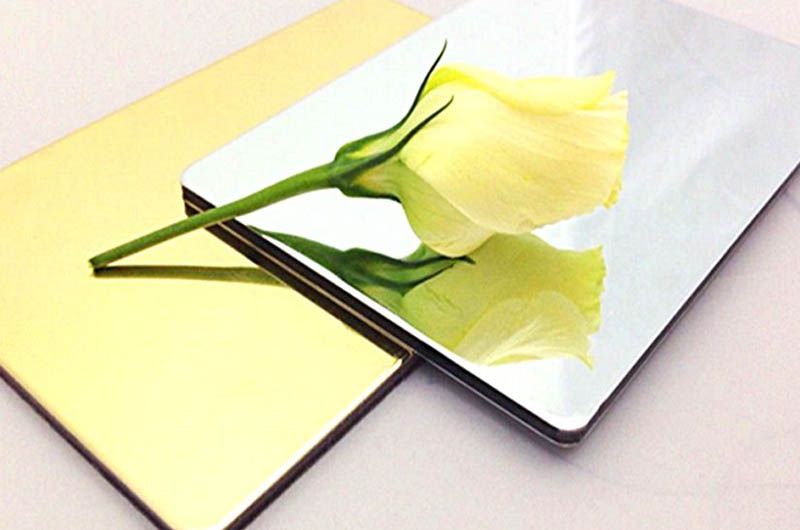
Thickness: 0.1–3.5 mm
Reflectivity: 80%, 86%, 95%
Used for architectural decoration, lighting fixtures, solar reflectors, electronic product casings, etc.
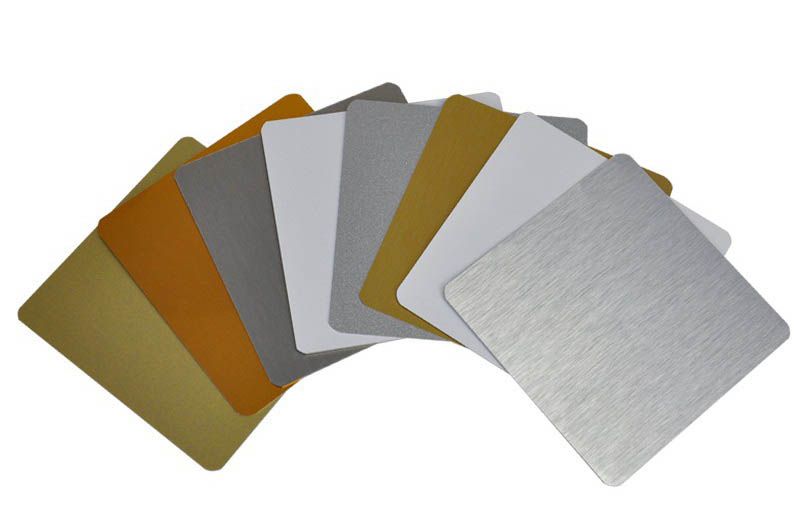
Thickness: 0.22-1.1mm, common( 0.45, 0.55, 1.0mm)
Dimensions: 1200x600mm, 600x400mm, 600x300mm
Widely used in signs, furniture, electronic equipment housings and curtain walls.
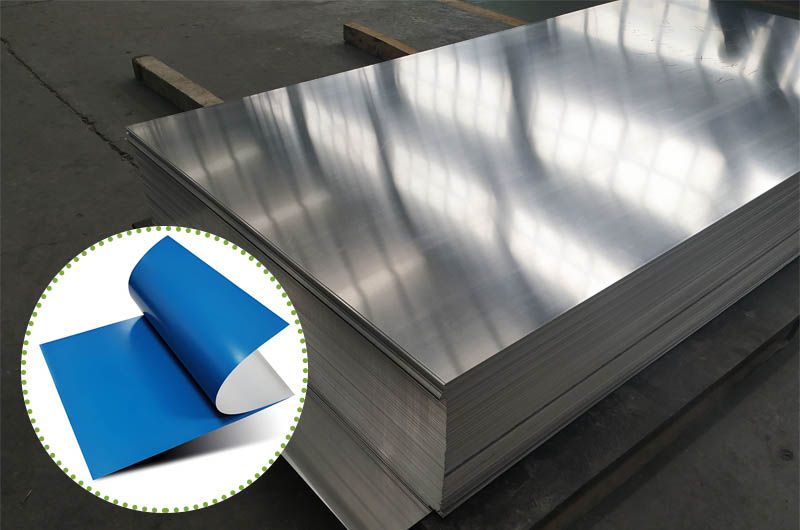
Temper: H16, H18
Thickness: 0.13-1.50mm
1050 aluminium printing plate offers excellent flatness, coating adhesion and corrosion resistance, ideal for PS plates and CTP printing applications.
| Alloy | 1050 |
| Alloy designations | AA1050, A1050, 1050A, Al99.5 |
| Temper | O, H12, H14, H16, H18, H24, H26, H19, etc. |
| Thickness | 0.2–260 mm |
| Width | 500–2650 mm |
| Length | 1000–16000 mm |
| Popular sizes | 1250 × 2500 mm, 1500 × 3000 mm, 1520 × 3020 mm, 1525 × 3660 mm |
| Thickness tolerance | ±0.02 mm |
| Width tolerance | ±2 mm |
Mechanical Properties of 1050 Aluminum Sheet
| Alloy | Temper | Thickness (mm) | Tensile Strength Rm (MPa) | Yield Strength Rp0.2 (MPa) | Elongation (%) Min. |
| 1050 | O/H111 | 0.2–0.3 | 65–95 | 20 | 20 |
| 1050 | O/H111 | 0.3-0.5 | 65–95 | 20 | 22 |
| 1050 | O/H111 | 0.5-1.5 | 65–95 | 20 | 26 |
| 1050 | O/H111 | 1.5-6.0 | 65–95 | 20 | 29 |
| 1050 | O/H111 | 6.0-8.0 | 65–95 | 20 | 35 |
| 1050 | H12 | 0.2-0.5 | 85-125 | 65 | 2 |
| 1050 | H12 | 0.5-1.5 | 85-125 | 65 | 4 |
| 1050 | H12 | 1.5-3.0 | 85-125 | 65 | 5 |
| 1050 | H12 | 3.0-6.0 | 85-125 | 65 | 7 |
| 1050 | H22 | 0.5-1.5 | 85-125 | 55 | 4 |
| 1050 | H22 | 1.5-3.0 | 85-125 | 55 | 5 |
| 1050 | H22 | 3.0-6.0 | 85-125 | 55 | 6 |
| 1050 | H14 | 0.2-0.5 | 105–145 | 85 | 2 |
| 1050 | H14 | 0.5-1.5 | 105–145 | 85 | 2 |
| 1050 | H14 | 1.5-3.0 | 105–145 | 85 | 4 |
| 1050 | H14 | 3.0-6.0 | 105–145 | 85 | 2 |
| 1050 | H24 | 0.2-0.5 | 105–145 | 75 | 3 |
| 1050 | H24 | 0.5-1.5 | 105–145 | 75 | 4 |
| 1050 | H24 | 1.5-3.0 | 105–145 | 75 | 5 |
| 1050 | H24 | 3.0-6.0 | 105–145 | 75 | 8 |
| 1050 | H16 | 0.2-0.5 | 120-160 | 100 | 1 |
| 1050 | H16 | 0.5-1.5 | 120-160 | 100 | 2 |
| 1050 | H16 | 1.5-4.0 | 120-160 | 100 | 3 |
| 1050 | H26 | 0.2-0.5 | 120-160 | 90 | 2 |
| 1050 | H26 | 0.5-1.5 | 120-160 | 90 | 3 |
| 1050 | H26 | 1.5-4.0 | 120-160 | 90 | 4 |
| 1050 | H18 | 0.2-0.5 | 135 | 120 | 1 |
| 1050 | H18 | 0.5-1.5 | 140 | 120 | 2 |
| 1050 | H18 | 1.5-3.0 | 155 | 120 | 2 |
| 1050 | H19 | 0.2-0.5 | 150 | 130 | 1 |
| 1050 | H19 | 0.5-1.5 | 75 | 30 | 1 |
| 1050 | H19 | 1.5-3.0 | 70 | 25 | 20 |
| 1050 | H112 | 6.0-12.5 | 75 | 30 | 20 |
| 1050 | H112 | 12.5-80 | 70 | 25 | - |
| 1050 | F | 2.5-150 | - | - | - |
Physical Properties
| Density | 2.71 g/cm³ |
| Melting point | 640°C |
| Elastic modulus | 73 GPa |
| Thermal conductivity | 121–193 W/(m·K) |
| Coefficient of thermal expansion | 21.1 × 10⁻⁶/K |
| Electrical conductivity | 61% IACS |
Chemical Composition
| Alloy | Si | Fe | Cu | Mn | Mg | Zn | Ti | V | Other | Al |
| 1050 | 0.25 | 0.40 | 0.05 | 0.05 | 0.05 | 0.05 | 0.03 | 0.05 | 0.20 | remainder |
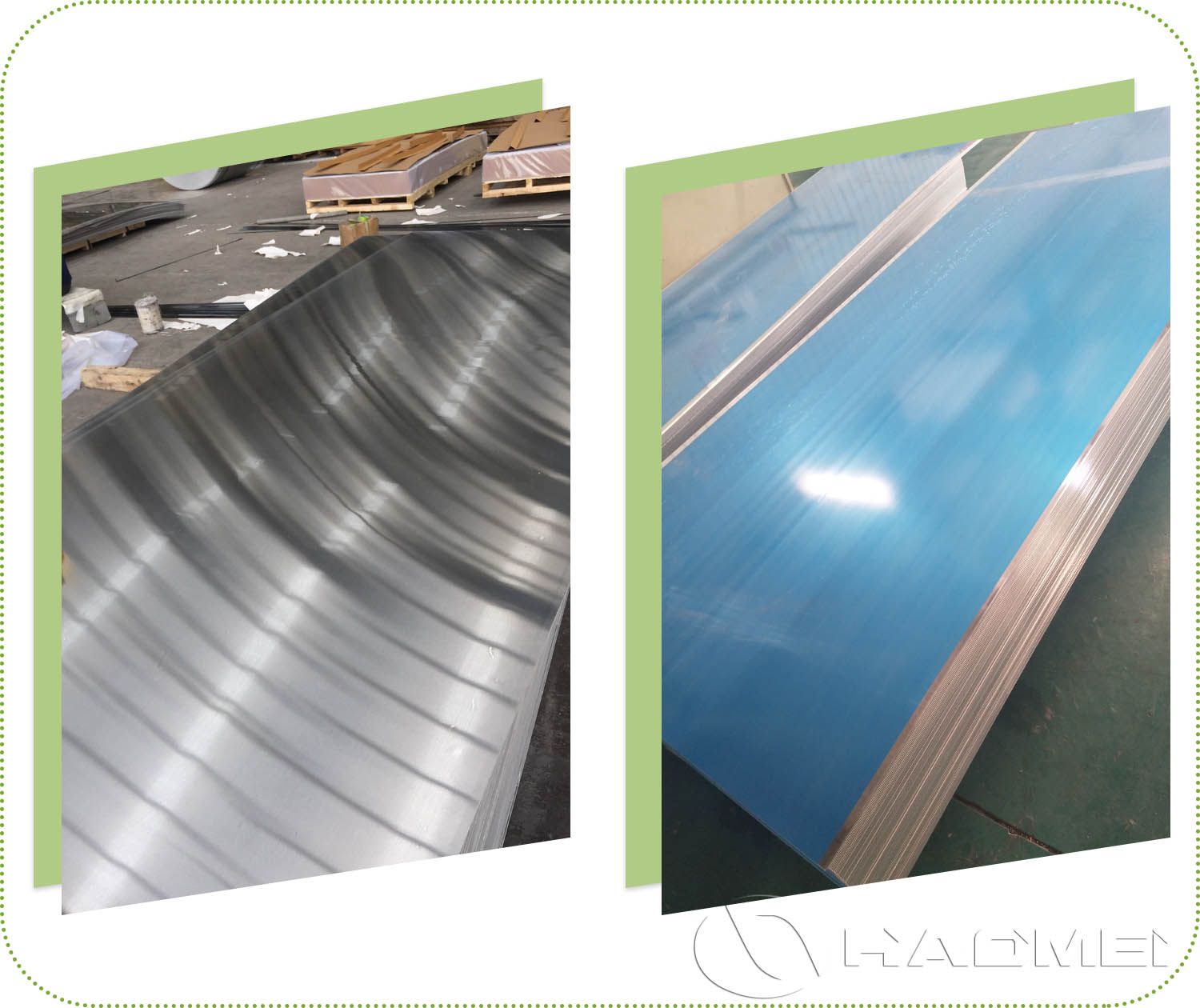
High Purity and Strong Corrosion Resistance: With a high aluminum content and very low impurity level, 1050 aluminum sheet has excellent natural oxidation resistance. It can be used for extended periods in atmospheric and chemical environments without rusting easily.
Excellent Formability: It is suitable for stamping, bending, and deep drawing processes, making it easy to manufacture into parts, equipment, and products with complex shapes.
Good Weldability: 1050 aluminum sheet is suitable for most welding methods, including TIG and MIG welding.
Lightweight with Stable Strength: Its low density helps reduce product weight while maintaining good mechanical strength, making it suitable for transportation, construction, and industrial structural materials.
Environmentally Friendly and Recyclable:It is 100% recyclable, in line with modern green manufacturing principles, and helps reduce manufacturing costs and environmental impact.
Good Electrical and Thermal Conductivity: It is suitable for electrical equipment, heat sinks, heat exchangers, and products requiring efficient electrical or thermal conductivity.
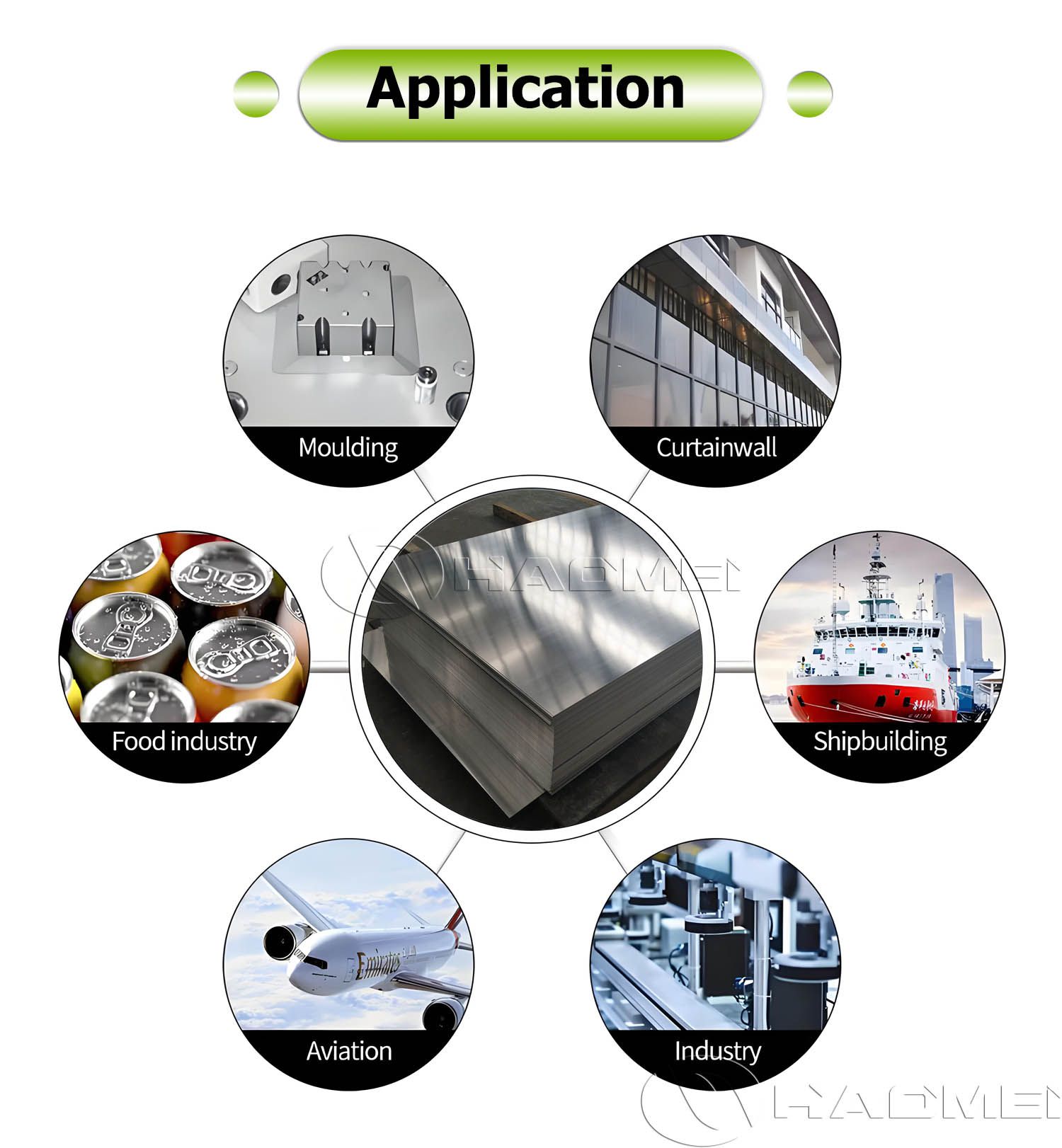
Architecture and decoration: Curtain wall panels, roofing, ceilings, sound-insulation panels, and decorative building materials.
Electrical and electronics: Heat sinks, electronic housings, and lighting reflectors requiring high reflectivity.
Chemical and food industries: Storage tanks, containers, pipelines, and food-processing equipment due to its non-toxic properties.
Transportation: Non-structural components and interior parts for vehicles and ships.
Daily-use products: Nameplates, signs, and deep-drawn components.
Electrical materials: Bus ducts and cable sheathing, benefiting from high electrical conductivity.
| Alloy Series | Main Composition | Main Features | Typical Applications |
| 1xxx Series (e.g., 1060) | Pure aluminum (≥99.6%) | Excellent electrical and thermal conductivity, high corrosion resistance, but relatively low strength. | Electrical conductors, heat sinks, packaging, reflectors. |
| 3xxx Series (e.g., 3003) | Al-Mn, approx. 1.0% Mn | Excellent weather resistance and weldability; strength is 15–20% higher than pure aluminum. | Building curtain walls, roofing sheets, ship interiors. |
| 5xxx Series (e.g., 5052) | Al-Mg alloy, approx. 2.5% Mg | Excellent seawater corrosion resistance, high plasticity, and stable toughness at low temperatures. | Marine engineering, pressure vessels, shipbuilding. |
| 6xxx Series (e.g., 6061) | Al-Mg-Si, approx. 1.0% Mg + 0.6% Si | Balanced performance, high strength, heat-treatable, with good machinability and weldability. | Building frames, automotive parts, aerospace structures. |
| 7xxx Series (e.g., 7075) | Al-Zn-Mg-Cu, containing approx. 5.6% Zn | Highest strength among aluminum alloys, but lower corrosion resistance and generally requires surface treatment. | Aerospace components, high-end molds, racing parts. |
H14 aluminum sheet is strain-hardened without annealing and is suitable for applications where the required strength is achieved solely through work hardening.
H24 aluminum sheet is strain-hardened and then partially annealed. Although H14 and H24 have similar strength levels, H24 aluminum sheet has higher elongation and better flexibility.
5052 aluminum sheet offers excellent corrosion resistance, good weldability, and high formability. Widely used in marine, automotive, and industrial applications. Reliable 5052 aluminum plate supplier with competitive pricing.
1100 aluminum sheet belongs to the 1xxx series of industrial pure aluminum alloys. With an aluminum content of no less than 99.0%, it is one of the most widely used high-purity aluminum materials currently available. This alloy is known for its excellent corrosion resistance, formability, weldabi
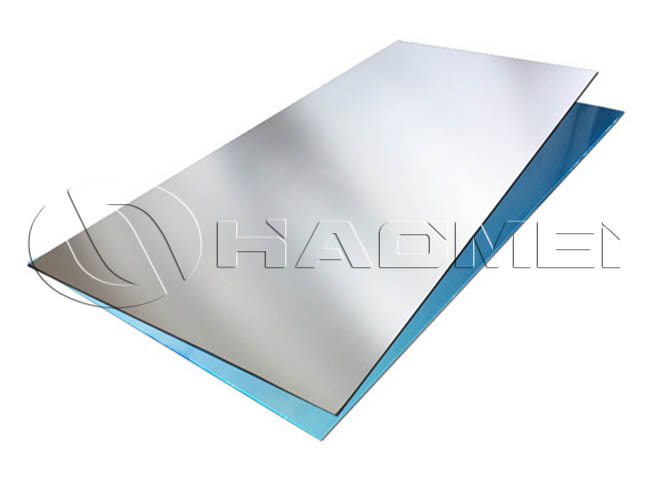
High-quality 3105 aluminum sheet with excellent corrosion resistance and superior paintability. Widely used for roofing, curtain walls, cladding, and color-coated aluminum panels. Factory-direct supply with custom specifications available.
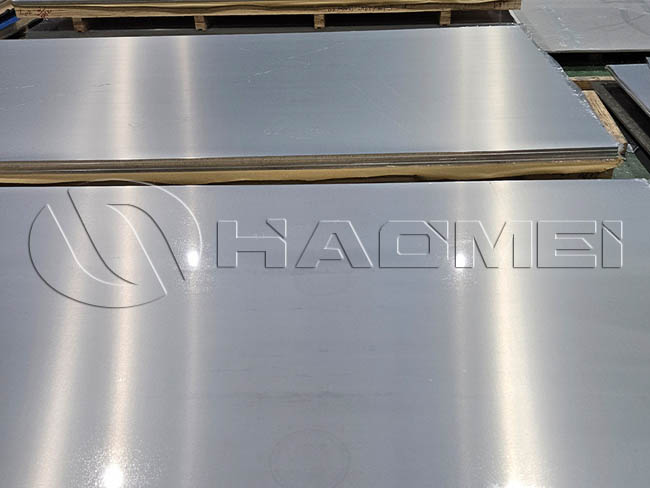
High-quality 3004 aluminum sheet supplier offering excellent strength, formability, and corrosion resistance. Ideal for beverage cans, food packaging, roofing, and industrial applications. Factory-direct pricing and custom sizes available.
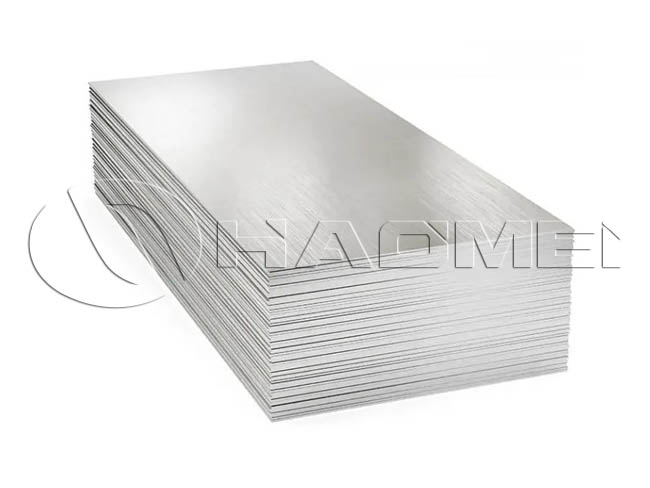
1060 aluminum plates contain no less than 99.6% aluminum. This alloy is renowned for its excellent electrical and thermal conductivity, corrosion resistance, and formability.
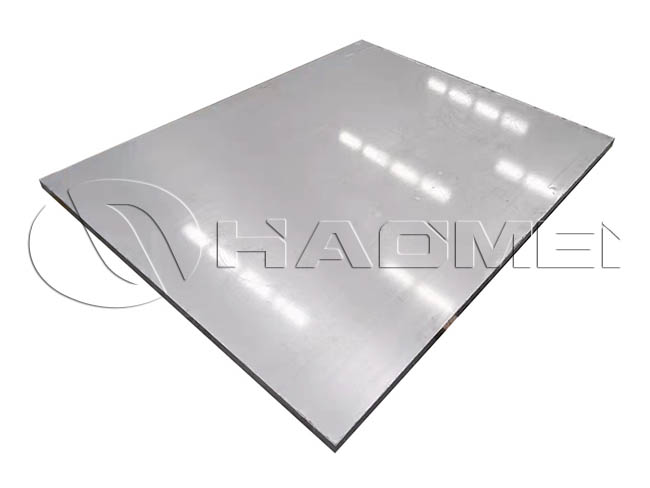
5086 aluminum plate belongs to the Al-Mg (5000 series) anti-rust aluminum alloy family. It is a non-heat-treatable aluminum alloy and an essential industrial material that combines medium strength, excellent corrosion resistance, and outstanding weldability.Thanks to its unique performance
WELCOME TO CONTACT US
Your information is for contact only and will not be shared with any third party.