In lighting fixtures, solar thermal collection, architectural decoration, optical instruments, and many other fields, aluminum reflector plate can effectively reflect light and heat, improve indoor environments, reduce energy consumption, and enhance living and working conditions.
What Is Aluminum Reflector Plate?
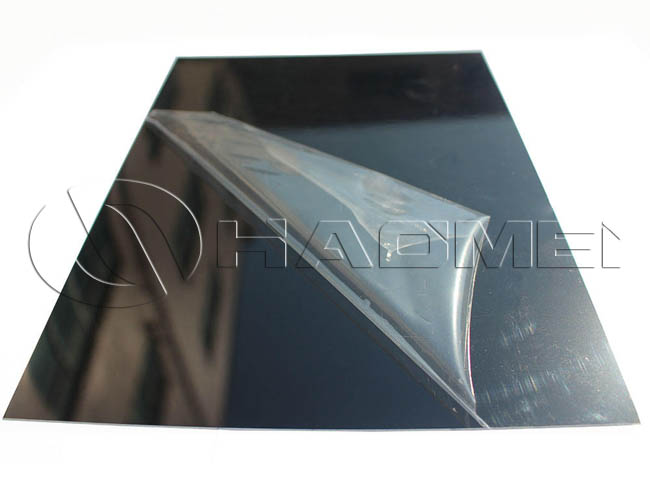
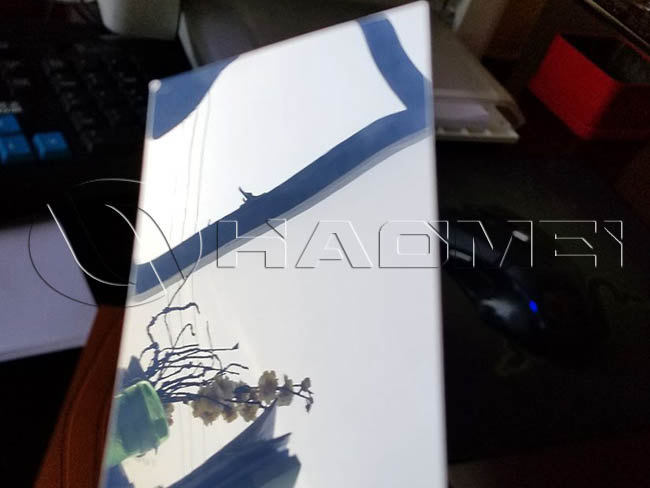
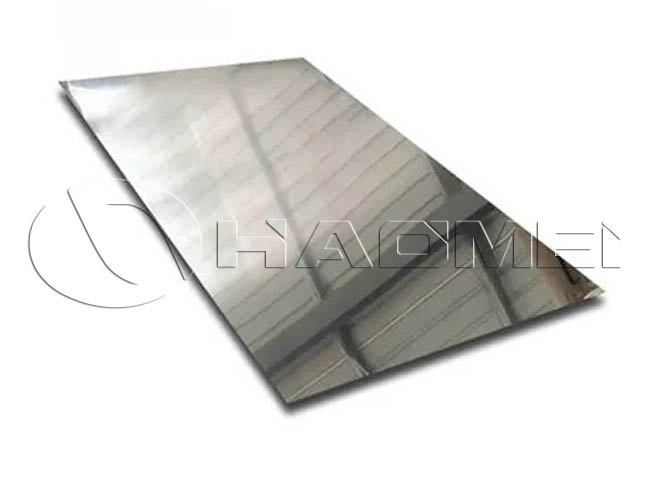
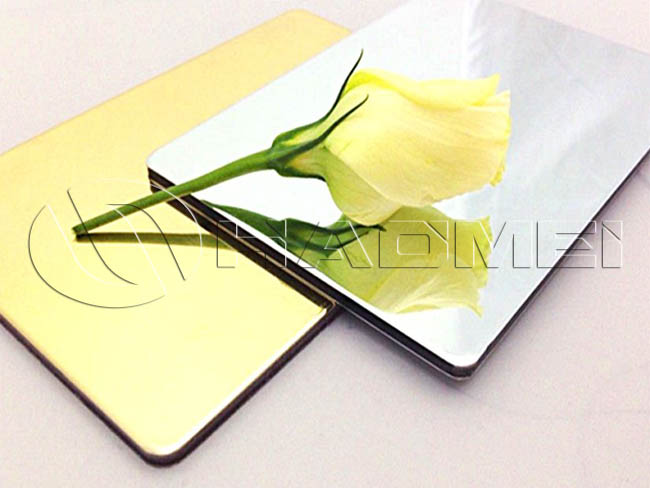
Aluminum reflector plate, also known as reflective aluminum sheet or mirror aluminum sheet, refers to aluminum sheet products that obtain a mirror-like surface through rolling, grinding, polishing, anodizing, and other treatments.
It retains the inherent advantages of aluminum, including light weight, corrosion resistance, and easy processing. At the same time, surface treatment gives it exceptional light-reflecting properties. The reflectivity of aluminum mirror sheets can reach 90%, or even more than 98%.
Based on product grade, aluminum reflector plate can generally be classified from lower to higher grade as:
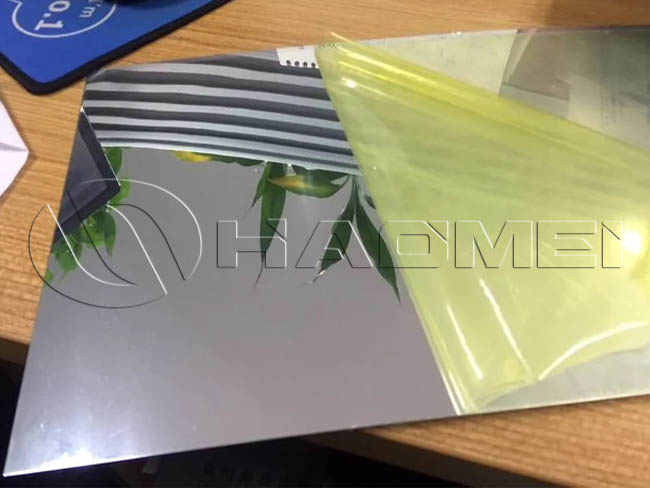
Film-laminated mirror aluminum
Domestic polished mirror aluminum
Imported polished mirror aluminum
Imported anodized mirror aluminum
Super mirror aluminum sheet
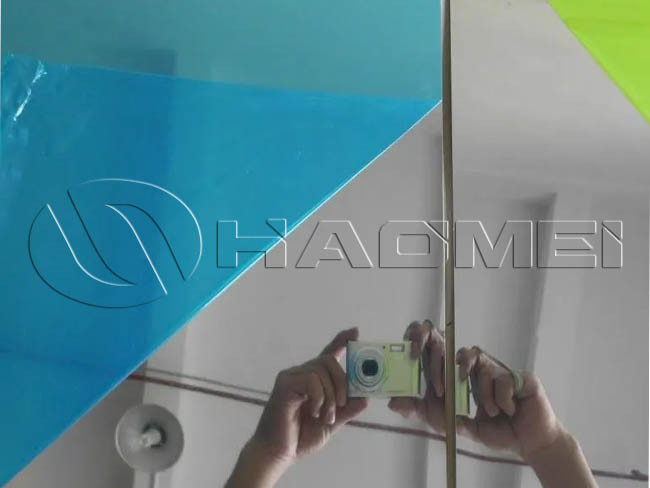
Among these, super mirror aluminum sheet can achieve a reflectivity of 95%–98%, making it a preferred material for high-performance lighting and solar-energy applications. Ordinary household mirrors generally have a reflectivity of approximately 90%, while high-quality aluminum reflector plates can even outperform glass mirrors.
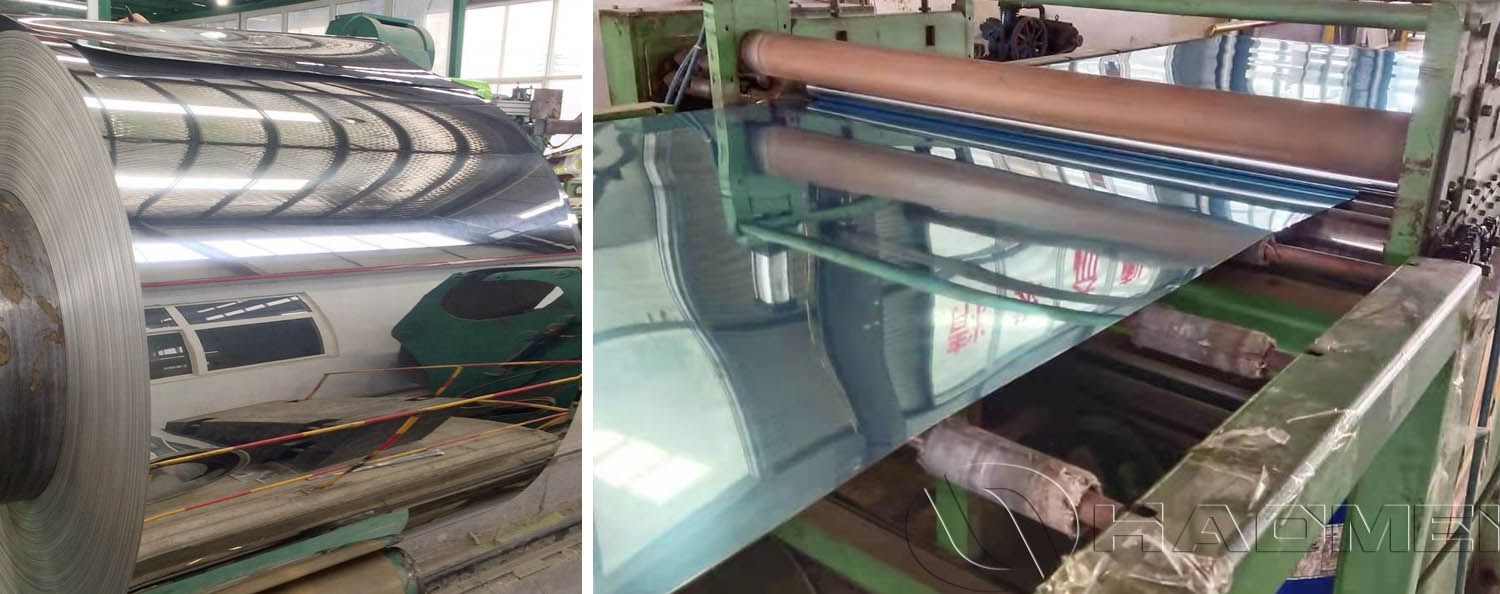
Main Materials for Aluminum Reflector Plate
Aluminum reflector plate is generally made from aluminum alloys with good surface-treatment performance, formability, and reflectivity. The most common grades include the following:
1. 1050 Aluminum Mirror Sheet
1050 is commercially pure aluminum with a high aluminum content. It offers excellent ductility, corrosion resistance, and surface-treatment performance.
Its main advantages include high material purity, good reflective effect, and easy fabrication. It is suitable for standard lighting reflectors, decorative reflective panels, signage, and general optical reflector components.
2. 1060 Aluminum Mirror Sheet
1060 aluminum sheet offers good thermal conductivity, electrical conductivity, stamping performance, and corrosion resistance. It is one of the most commonly used materials for reflective aluminum sheet.
1060 aluminum reflector plate is suitable for LED reflector cups, downlight reflectors, grille lights, ceiling lights, appliance reflector components, and various stamped products.
3. 1070 Aluminum Mirror Sheet
1070 aluminum sheet has higher purity, excellent reflectivity, and strong adaptability to surface-treatment processes. It is commonly used for optical reflector products with high requirements for reflectivity, appearance consistency, and surface cleanliness.
4. 1100 Aluminum Mirror Sheet
1100 aluminum sheet has good formability and corrosion resistance. It is suitable for deep drawing, stretching, bending, and spinning processes, and can be used to manufacture complex-shaped lighting reflectors and metal housing components.
Core Advantages of Aluminum Reflector Plate
1. High Reflectivity
High-quality aluminum reflector plate has excellent visible-light reflectance, with total reflectivity reaching 95%–98%. It can effectively reflect and direct light emitted by light sources, reducing light-energy loss.
2. Lightweight, Strong, and Easy to Form
Aluminum has a density of only 2.7 g/cm³, approximately one-third that of steel. Aluminum reflector plate is lightweight while maintaining good strength and formability. It can be easily cut, bent, stamped, stretched, roll-formed, and processed using other fabrication methods.
3. Excellent Durability and Corrosion Resistance
After anodizing, a dense oxide layer is formed on the surface of the aluminum reflector plate. This oxide film not only improves reflectivity but also provides a hard, wear-resistant, and corrosion-resistant protective barrier.
In coastal regions or acid-rain environments, anodized aluminum sheet can maintain its original luster for extended periods. Aluminum also has good high-temperature resistance, oxidation resistance, and heat-dissipation performance.
4. Flat Surface for More Uniform Light Distribution
The flatness and surface uniformity of aluminum reflector plate directly affect the direction and distribution of reflected light. A flat, clean aluminum surface without obvious waviness helps achieve more stable and uniform light distribution.
5. Good Thermal Conductivity
Aluminum has excellent thermal conductivity. In LED lamps and electronic equipment, aluminum reflector plate not only reflects light but also assists with heat transfer and heat dissipation, helping improve the operational stability of the final product.
6. Environmentally Friendly and Recyclable
Aluminum is a highly recyclable metal with substantial recovery value and can be reused multiple times. The use of aluminum reflector materials helps reduce resource consumption and supports green manufacturing and sustainable development.
Common Specifications of Aluminum Reflector Plate
Aluminum reflector plate can be custom manufactured according to actual product designs, fabrication methods, and optical requirements.
| Item | Specification |
| Alloy Grades | 1050, 1060, 1070, 1100, etc. |
| Temper | O, H12, H14, H16, H18, H22, H24, etc. |
| Thickness | 0.20–3.00 mm |
| Width | 20–1600 mm |
| Length | Customized according to customer requirements |
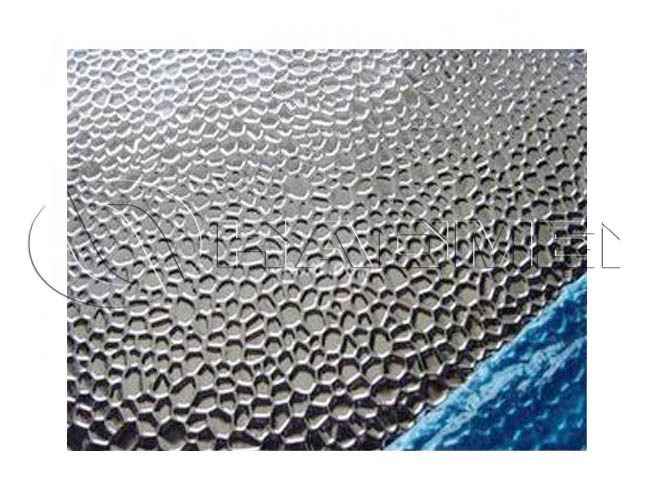
| Surface Treatment | Mirror, semi-mirror, polishing, anodizing, brushing, coating, film lamination, etc. |
| Surface Colors | Silver white, bright silver, matte silver, gold, black, and other custom colors |
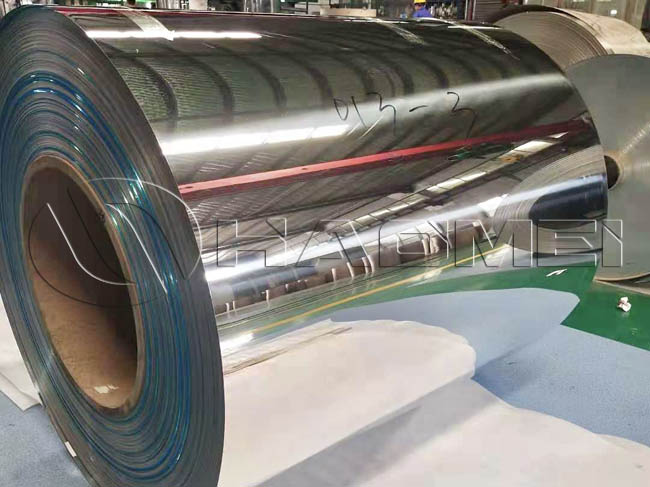
| Supply Forms | Aluminum coils, aluminum sheets, slit coils, cut-to-length sheets |
| Protection | PE protective film, PVC protective film, moisture-proof packaging, wooden pallets, or wooden cases |
| Standards | ASTM, EN, JIS, GB/T, etc. |
| MOQ | 3 tons |
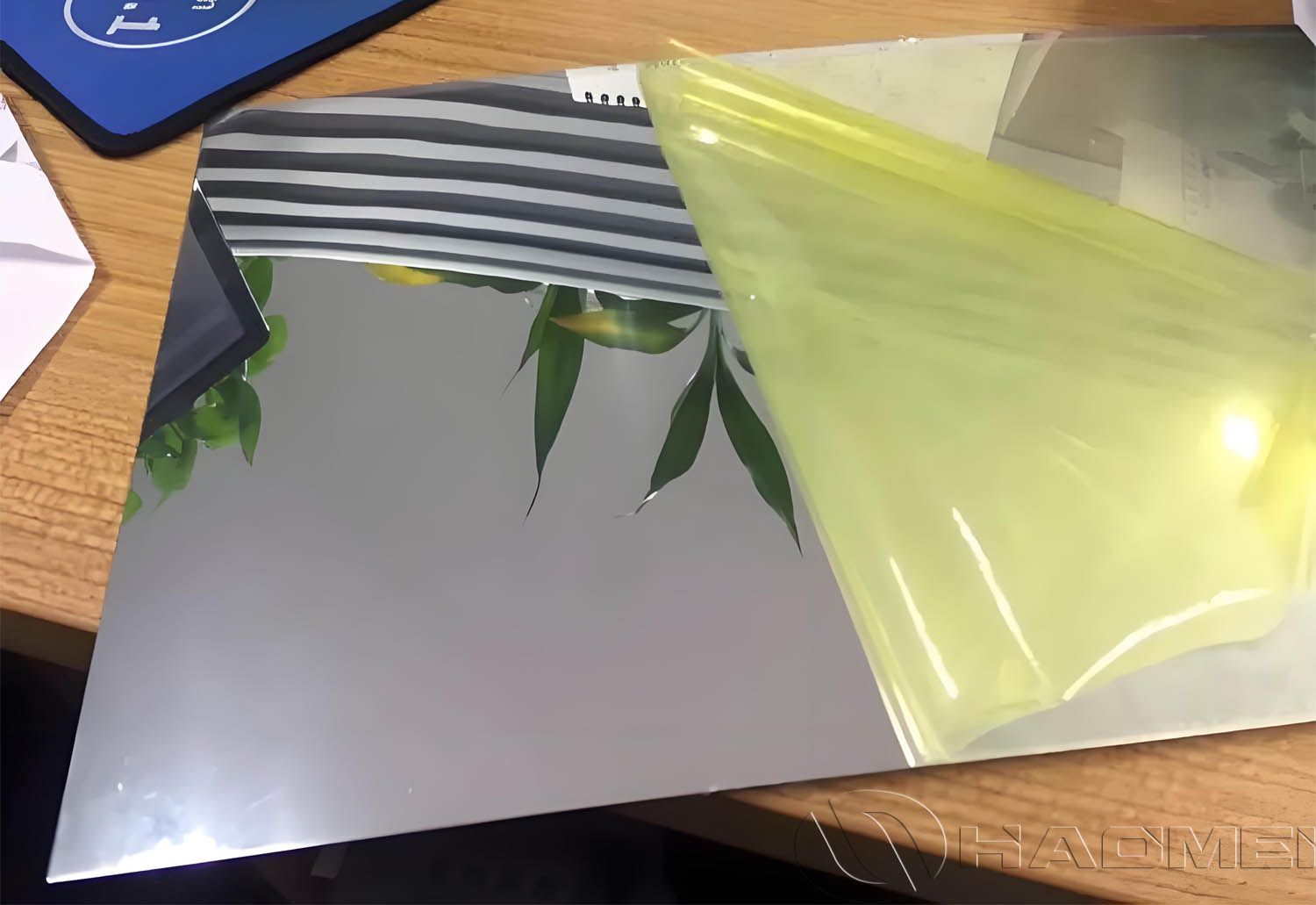
Applications
LED Lighting
Widely used for:
LED high-bay lights
Floodlights
Streetlights
Downlights
Spotlights
Panel lights
High reflectivity improves lighting efficiency and reduces energy consumption.
Automotive Lighting
Used for:
Headlamp reflector cups
Fog lamps
Tail lamps
Daytime running lights
It helps improve light-beam utilization and lighting performance.
Solar Energy Systems
Aluminum reflector plate is widely used in:
Solar thermal collectors
Concentrated solar power systems
Solar concentrator reflector panels
It helps improve solar-energy utilization efficiency.
Household Appliances
Suitable for:
Ovens
Microwave ovens
Rice cookers
Sterilization cabinets
Electric heaters
It combines light-reflecting and heat-conducting functions.
Architectural Decoration
Can be used for:
Interior ceilings
Curtain wall decoration
Advertising signs
Display and exhibition spaces
It provides both decorative value and a modern appearance.
How to Choose an Aluminum Reflector Plate Supplier
The following factors should be considered:
Whether high-purity aluminum is used as the base material
Whether the supplier has advanced mirror-finishing and anodizing production lines
Whether high reflectivity and stable surface quality can be guaranteed
Whether custom sizes and secondary processing services are available
Whether the supplier has a complete quality-control system and international export experience
Whether fast delivery and professional technical support can be provided
Choosing an experienced supplier with stable quality can effectively improve final-product performance and market competitiveness.
FAQ
1. What reflectivity can aluminum reflector plate achieve?
Depending on the surface-treatment process, ordinary mirror aluminum sheet can achieve reflectivity above 85%, while high-reflectivity anodized aluminum sheet can reach 95%–98%.
2. Which aluminum alloys are commonly used for reflector plate?
Common grades include 1050, 1060, 1070, 1100, and 3003. Among these, 1050 and 1060 are the most widely used because of their high purity and excellent reflective performance.
3. What industries use aluminum reflector plate?
It is mainly used in LED lighting, automotive lighting, solar reflector systems, household appliances, architectural decoration, industrial equipment, and related fields.
4. What surface treatments are available for aluminum reflector plate?
Available treatments include mirror polishing, anodizing, high-reflectivity coating, and film lamination to meet different environmental and application requirements.
5. How can I select high-quality aluminum reflector plate?
Key considerations include reflectivity, surface flatness, thickness tolerance, corrosion resistance, fabrication performance, as well as the supplier's production process, quality-control capability, and customization service.