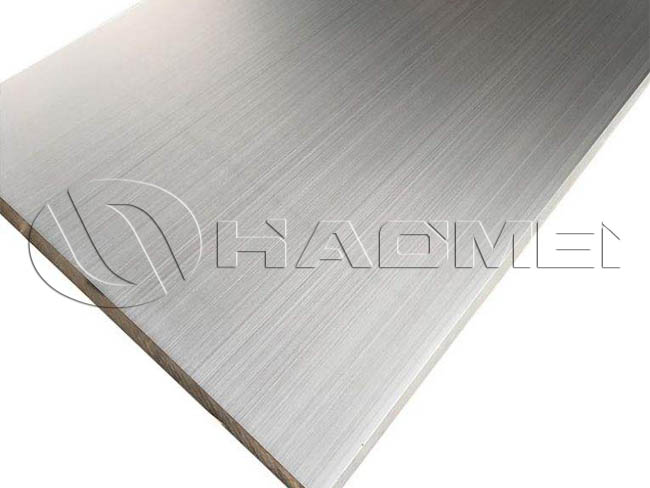
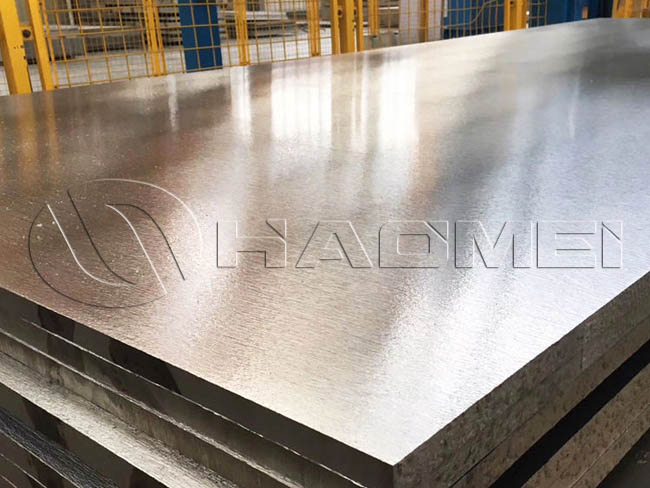
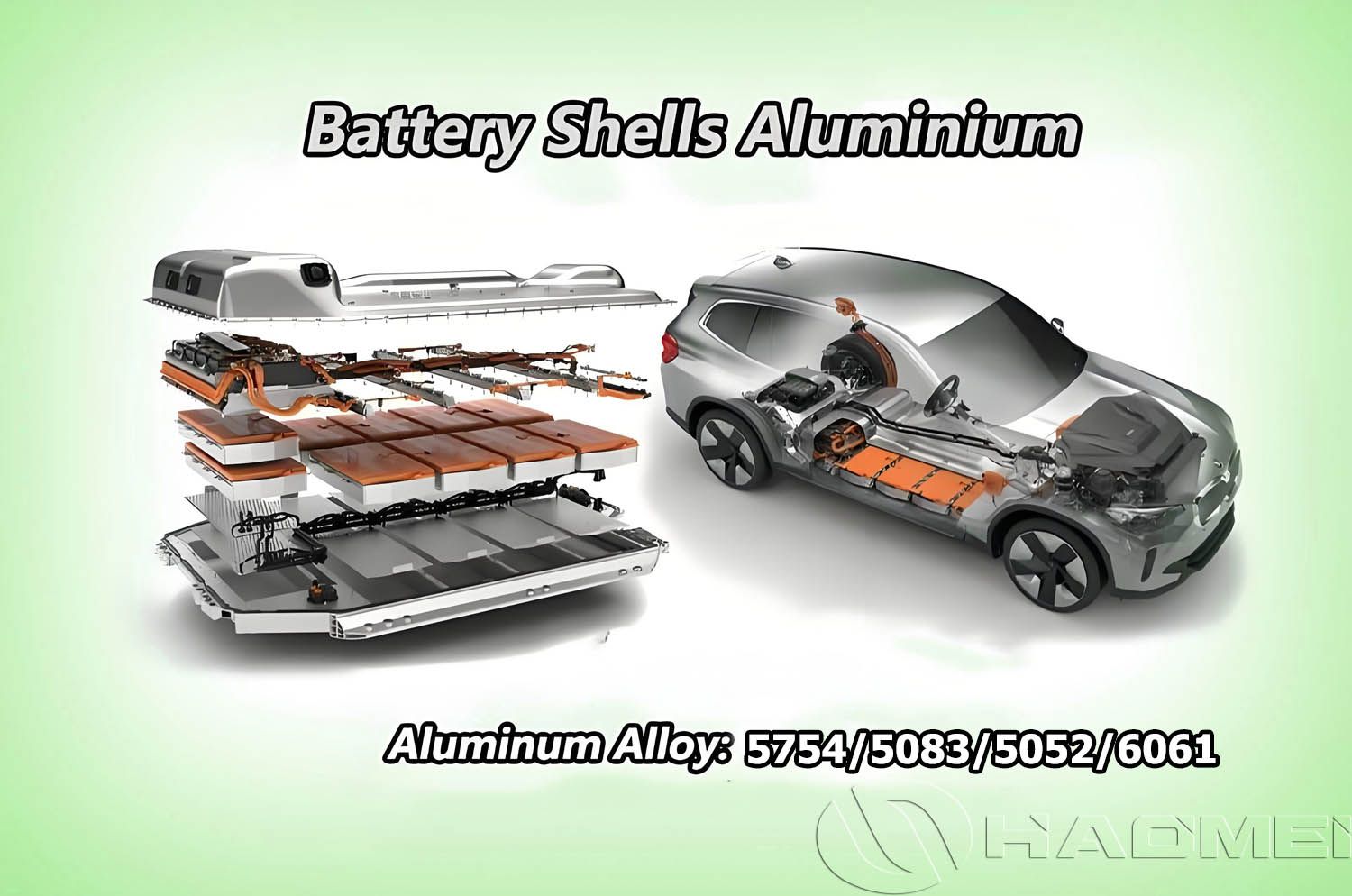
As the first physical line of protection for traction batteries, automotive battery enclosures—including battery safety valves, battery housings, top covers, and bottom protection plates—have extremely demanding material-performance requirements.
With its low density, high specific strength, excellent thermal conductivity, outstanding processing properties, and good corrosion resistance, aluminum alloy has become the preferred material for current and future automotive battery enclosures.
Product Introduction
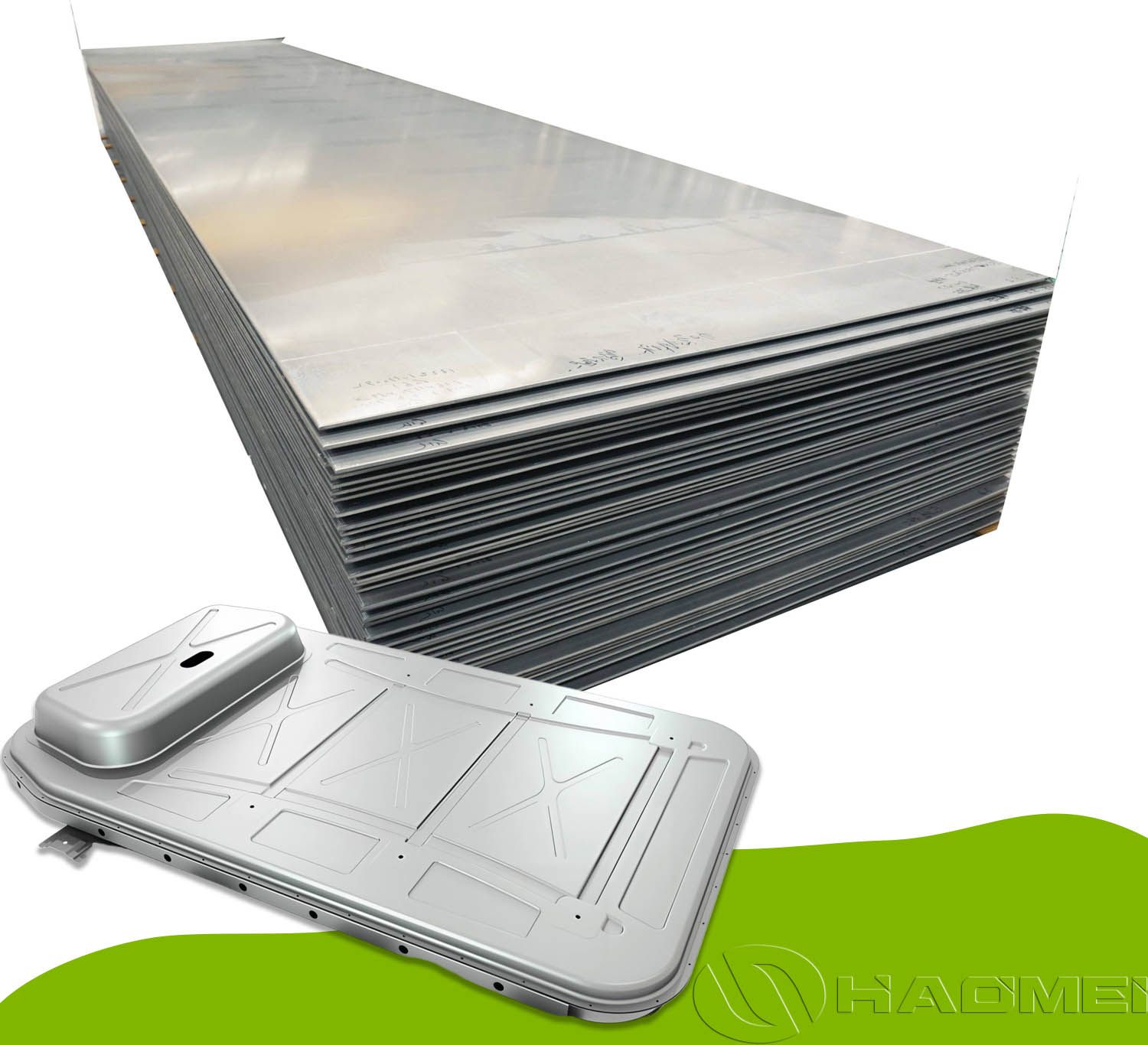
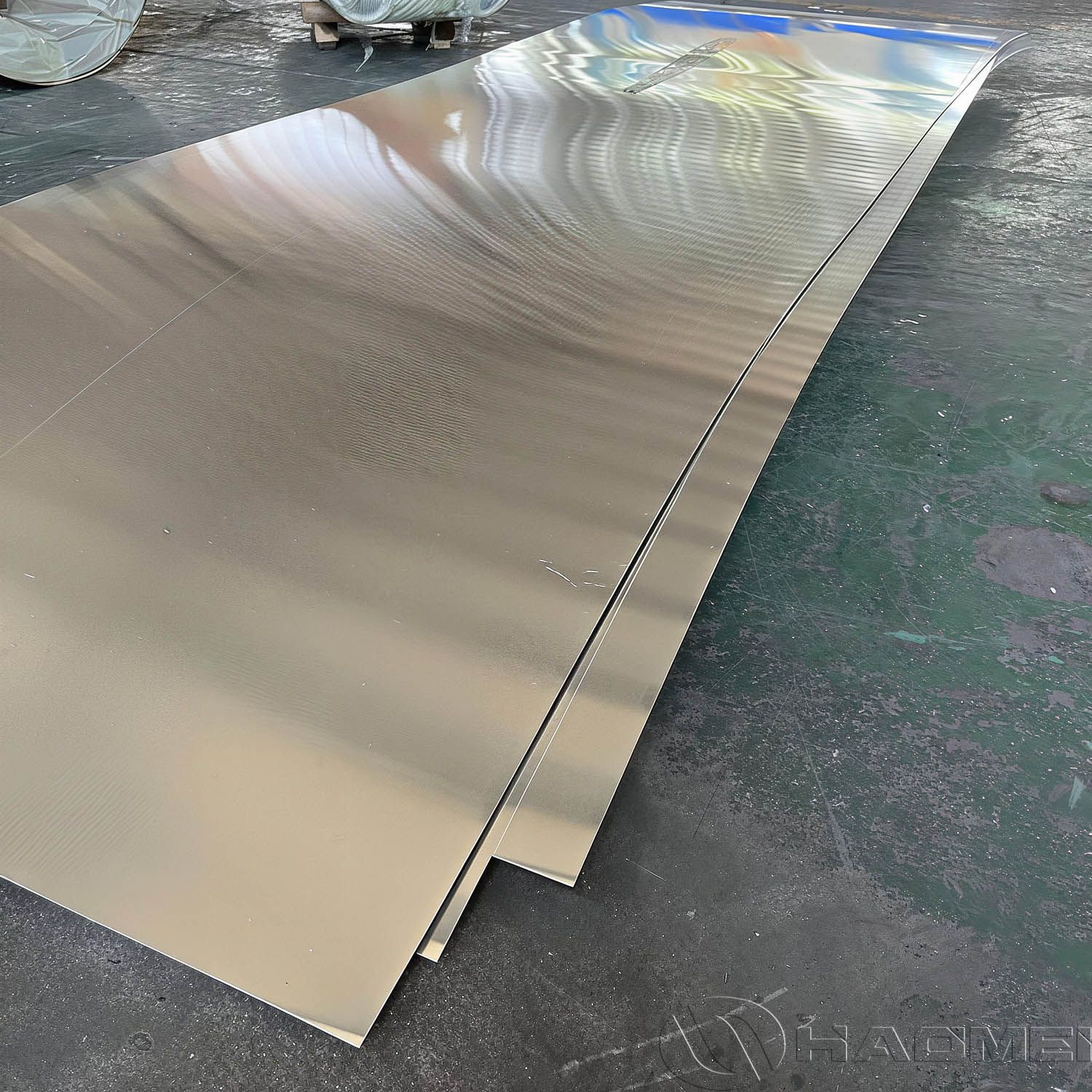
Aluminum sheet for automotive battery enclosures is a type of aluminum alloy sheet specially designed for manufacturing structural components in new energy vehicle power battery systems. The material generally uses aluminum alloys with excellent formability, weldability, and corrosion resistance. It is processed through casting, hot rolling, cold rolling, annealing, leveling, trimming, and other production processes, resulting in flat surfaces, high dimensional accuracy, and stable performance.
Depending on the application area and fabrication method, commonly used grades include 3003, 3005, 5052, 5083, and 6061 aluminum alloys. Among them, 3003 aluminum sheet offers good anti-rust properties and formability; 5052 aluminum sheet provides higher strength and excellent corrosion resistance; and 6061 aluminum sheet offers strong overall mechanical properties, making it suitable for components requiring high structural strength.
Suitable aluminum sheet materials can be selected according to battery-box design, stamping depth, welding method, strength requirements, and service environment.
Technical Specifications
| Item | Specification |
| Alloy | 5754, 5083, 6061, 3003 |
| Temper | O, H111, H22, H24, T6, depending on alloy |
| Thickness Range | 0.8–6.0 mm |
| Width Range | 500–2100 mm |
| Length Range | 1000–16000 mm |
| Surface Treatment | Natural oxidation, chemical passivation, optional PVDF coating |
| Mechanical Properties | Yield strength ≥180 MPa; tensile strength ≥210 MPa; elongation ≥12%, depending on alloy type |
| Thermal Conductivity | Approx. 235 W/(m·K) |
| Electrical Resistivity | Approx. 2.65 × 10⁻⁸ Ω·m for pure aluminum; slightly higher after alloying |
| Applications | Battery lower trays, battery top covers, cell separator plates, etc. |
| MOQ | 1–3 tons |
Why Is Aluminum Sheet Used for Automotive Battery Enclosures?
1. Significant Weight Reduction
The density of aluminum alloy is only about one-third that of steel. It helps reduce total vehicle weight and improve driving range.
2. Excellent Heat Dissipation
Aluminum has far better thermal conductivity than steel, helping the battery thermal-management system operate more reliably and efficiently.
3. High Safety Performance
Aluminum alloy provides good impact resistance and energy-absorption capacity, helping improve the safety of battery packs.
4. Outstanding Corrosion Resistance
It can maintain long-term stability in demanding environments, including high humidity, high temperatures, and salt-spray exposure.
5. Good Manufacturing Adaptability
It is suitable for a variety of manufacturing processes, including stamping, deep drawing, welding, CNC machining, and bending.
6. Green and Recyclable
Aluminum alloy has a very high recycling rate, reaching more than 95%, supporting environmentally friendly manufacturing and circular-economy development.
Common Aluminum Alloys
3003 Aluminum Sheet
3003 aluminum sheet is an aluminum-manganese, anti-rust alloy with good corrosion resistance, formability, and weldability. It has higher strength than pure aluminum and is commonly used for battery enclosures, battery-box covers, side panels, and similar components.
Its stable processing performance makes it suitable for stamping, bending, and welding operations.
3005 Aluminum Sheet
3005 aluminum sheet offers improved strength and weather resistance compared with 3003. It provides better tensile and fatigue performance, making it suitable for battery housings in commercial vehicles and hybrid vehicles subject to frequent vibration and high-intensity use. It offers a longer service life.
5052 Aluminum Sheet
5052 is an aluminum-magnesium alloy with relatively high strength, excellent corrosion resistance, and good fatigue performance. It is suitable for battery trays, bottom panels, and protective plates where higher strength and corrosion resistance are required. It is widely used in structural components of new energy vehicle battery packs.
5083 Aluminum Sheet
5083 aluminum sheet provides very high strength and exceptional corrosion resistance, with excellent structural stability. It is commonly used for battery module enclosures in new energy commercial vehicles, heavy trucks, and energy-storage systems. It is suitable for heavy-load applications and demanding road conditions and can provide a higher level of protection.
6061 Aluminum Sheet
6061 aluminum sheet is a heat-treatable aluminum alloy with excellent overall performance, high strength, and good machinability. It is suitable for load-bearing structural components, connectors, and battery-box sections requiring high rigidity. Its mechanical properties can be further enhanced through heat treatment.
Automotive Aluminum Sheet Applications
| Application Component | Recommended Alloy | Common Temper | Thickness Range (mm) | Key Processing Features |
| Battery Cell Casing | 3003 / 3005 | O, H14 | 0.6–1.2 | Good deep-drawing performance and high dimensional stability |
| Battery Top Cover | 3003 | H14, H24 | 1.0–2.5 | Easy bending and anodizing; good weldability |
| Safety Vent Valve | 3003 | O | 0.1–0.4 | Stable burst pressure and stringent tolerance control |
| Battery Pack Side Panels / Bottom Protection Plates | 5052 / 5754 | H32, H111 | 1.5–6.0 | Impact resistant, corrosion resistant, and high fatigue strength |
| Enclosure Frame / Battery Tray | 6061 / 6063 | T6 | 2.0–10.0 | Strong machinability and excellent age-hardening response |
Available Supply Forms and Tempers
Aluminum sheet for automotive battery enclosures can be custom manufactured according to customer requirements. Available supply forms include aluminum sheets, aluminum coils, leveled sheets, and cut-to-size sheets.
Common tempers include O, H, and T tempers. The proper temper can be selected based on the requirements of stamping, bending, welding, machining, and other manufacturing processes. Thickness, width, length, and surface treatment can all be customized according to drawings or technical specifications.
Common surface conditions include:
Standard mill finish
Brushed finish
Anodized finish
Coated finish
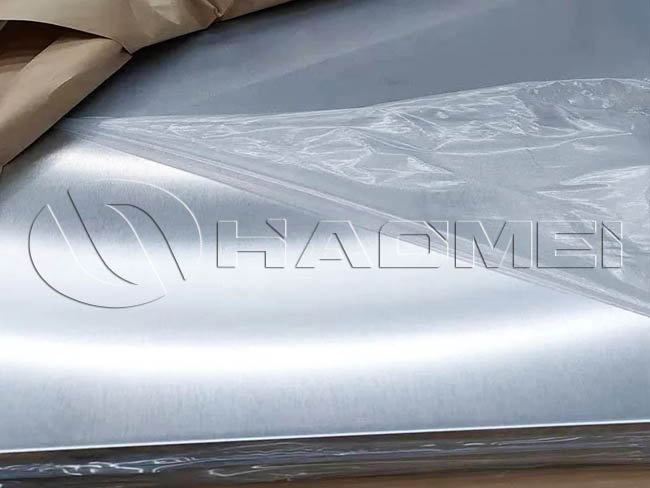
Protective film-laminated finish
Passivated finish
Through strict control of sheet flatness, thickness tolerances, surface quality, and mechanical properties, stable processing performance and consistent finished-product quality can be ensured.
Why Choose Us?
Extensive Experience
More than 10 years of experience in supplying new energy materials, serving leading battery manufacturers and vehicle makers in domestic and international markets.
Stable Production Capacity
Annual supply capacity of up to 50,000 tons, supporting consistent delivery across multiple production batches.
Technical Support
One-stop services including material selection, stamping and forming simulation, and welding-process recommendations.
Flexible Customization
Dedicated aluminum sheet solutions can be developed according to requirements such as stamping depth, welding method, surface coating, and other project-specific needs.