As the automotive industry rapidly advances toward electrification, intelligent technology, and lightweight design, reducing vehicle weight has become essential for extending driving range, improving handling performance, and reducing carbon emissions. As a core load-bearing and driving component, the automotive wheel is a particularly important target for lightweight development.
Compared with conventional steel wheels, aluminum alloy wheels can reduce weight by approximately 30%–40%. They also offer superior heat dissipation, appearance, and machining precision. High-performance aluminum plate for automotive wheels is the indispensable base material behind high-quality aluminum wheels, especially premium forged wheels and advanced flow-formed wheels.
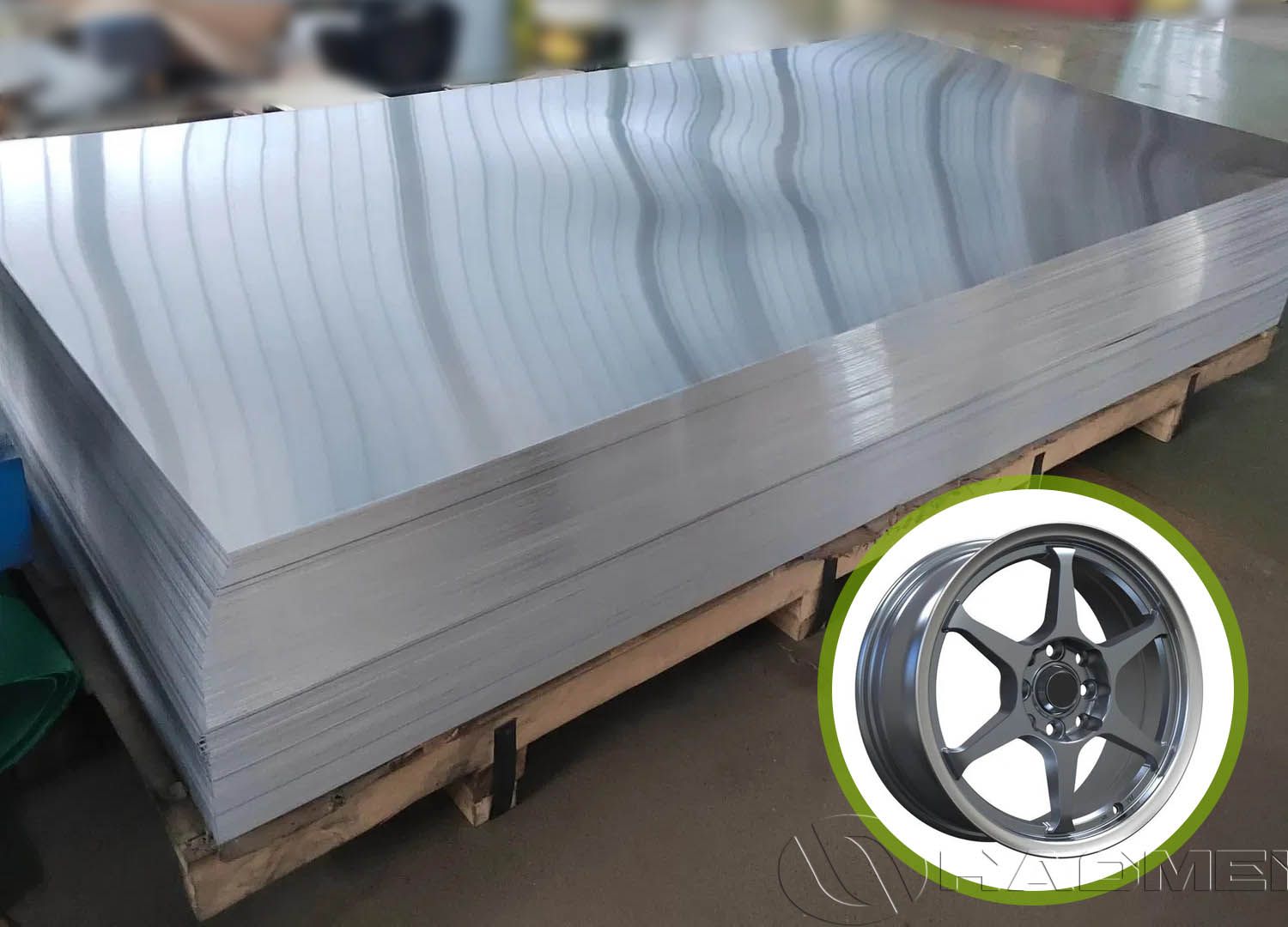
What Is Aluminum Sheet for Automotive Wheels?
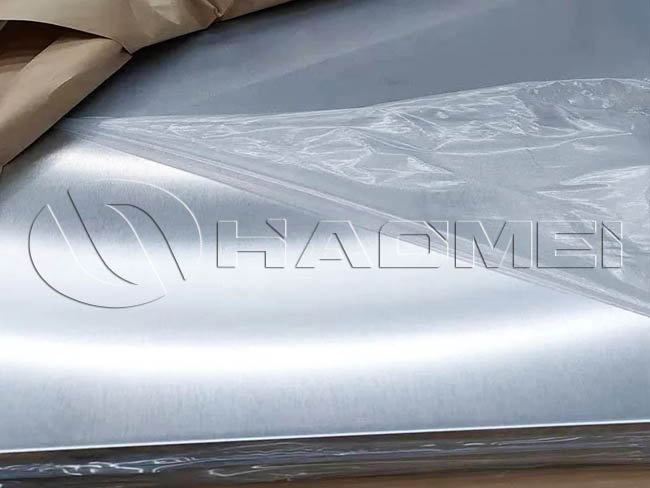
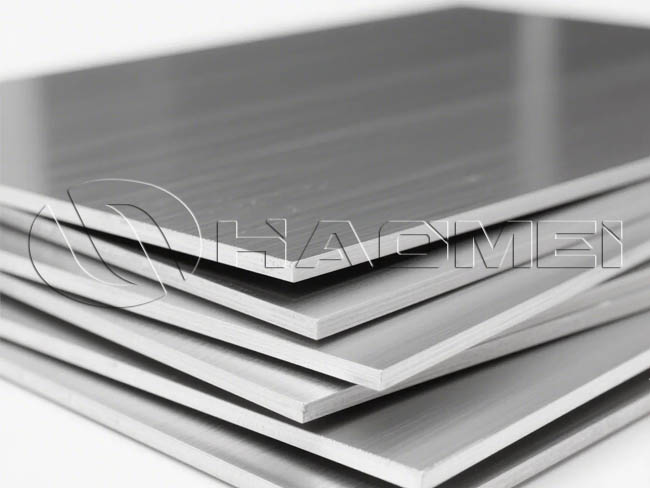
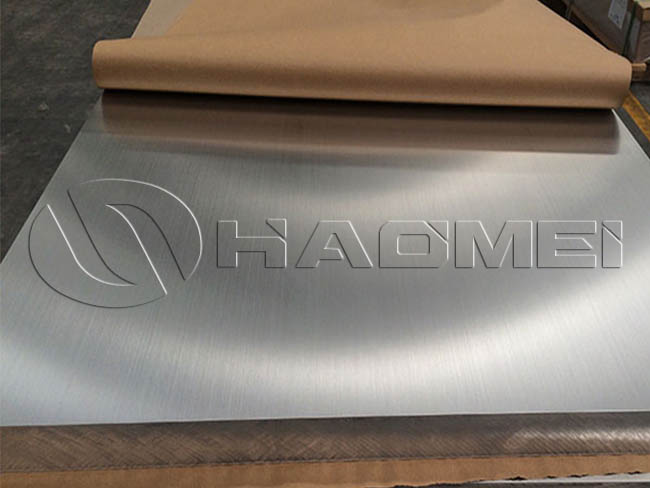
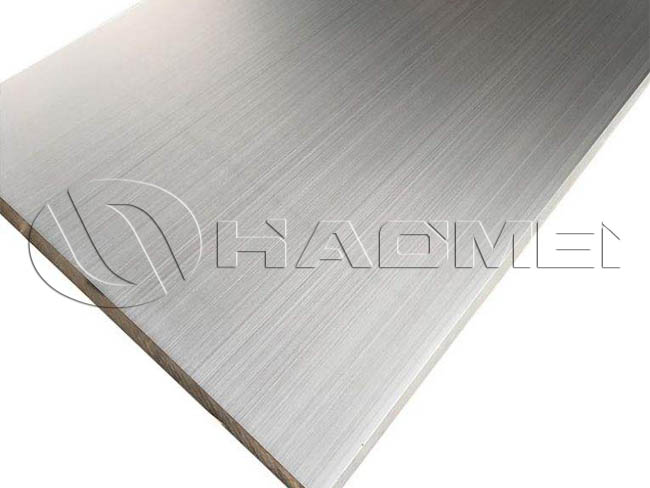
Aluminum sheet for automotive wheels refers to high-performance aluminum alloy plate specially designed for manufacturing aluminum alloy wheels. It typically uses 6xxx-series alloys, such as 6061 and 6082, or selected 5xxx-series alloys, such as 5052. The material can be formed through forging, flow forming, or casting followed by machining.
Common Alloys and Their Characteristics
1. 6061 Aluminum Plate: The "Gold Standard" for Premium Forged Wheels
Characteristics:
6061 aluminum, commonly supplied in the T6 temper, is one of the most widely used materials for forged wheels. With appropriate magnesium and silicon content, it provides excellent strength, impact toughness, and fatigue life.
Applications:
It is widely used for one-piece and multi-piece forged wheels for luxury vehicles, sports cars, and the aftermarket modification sector. Its dense internal structure helps ensure outstanding safety during high-speed driving and aggressive cornering.
2. 6082 Aluminum Plate: A High-Strength Mainstream Choice in Europe
Characteristics:
As a higher-strength 6xxx-series alloy, 6082 contains more manganese than 6061. This gives it superior mechanical strength, excellent weldability, and corrosion resistance.
Applications:
It is widely used in the European automotive manufacturing market, especially for high-load wheels and structural components.
3. 5052 / 5454 Aluminum Plate: Tough Materials for Flow-Formed and Truck Wheels
Characteristics:
5454 aluminum alloy offers particularly strong fatigue resistance. Its strength is approximately 20% higher than that of 5052, and it has excellent corrosion resistance in atmospheric and marine environments.
Applications:
It is commonly used for large commercial vehicle and truck wheel manufacturing, or as the rim section of composite wheels. It provides excellent toughness and cost performance.
4. 5083 Aluminum Alloy: A Key Material for Forged Wheels
5083 aluminum alloy is one of the highest-strength grades in the 5xxx series, with a magnesium content of 4.0%–4.9%. It is widely used for forged wheel manufacturing. Through the forging process, it can achieve a denser microstructure, allowing the wheel to maintain lightweight properties while delivering excellent mechanical performance.
Technical Specifications for Automotive Wheel Aluminum Plate
| Item | Specification Range |
| Alloy | 6061 / 6082 / 5052 / 5083 / etc. |
| Temper | T6 / T651 / O / etc. |
| Thickness | 10–300 mm, for forged thick plate |
| Width | 500–2500 mm |
| Length | 1000–16000 mm |
| Tensile Strength | 260–340 MPa |
| Yield Strength | ≥240 MPa |
| Elongation | ≥8%–15% |
| Hardness | HB 80–110 |
| Surface Condition | Milled surface / sawn surface / precision-machined surface |
| MOQ | 1–3 tons |
Performance Advantages of Aluminum Plate for Automotive Wheels
1. Lightweight
Aluminum alloy wheels reduce vehicle weight and help lower energy consumption.
2. Excellent Roundness
With precision of up to 0.002 inches, aluminum wheels offer excellent balance during operation. This helps reduce common vehicle vibration and steering-wheel shake.
3. Good Heat Dissipation
Aluminum alloy has excellent thermal conductivity, which helps dissipate heat from the braking system and improve braking performance.
4. Strong and Durable
Aluminum alloy wheels offer good impact resistance, tensile strength, and thermal strength.
5. Excellent Machinability
The material is suitable for CNC machining, forging, flow forming, and other processes, meeting the design requirements of complex wheel structures.
6. Responsive Handling
Thanks to their excellent roundness, aluminum wheels improve steering control and provide more agile, flexible turning performance.
7. Attractive Appearance
Conventional steel wheels are often limited in design and tend to have a plain appearance. Aluminum alloy wheels are available in a wide range of styles, finishes, and colors, enhancing the visual appeal of vehicles.
Main Applications
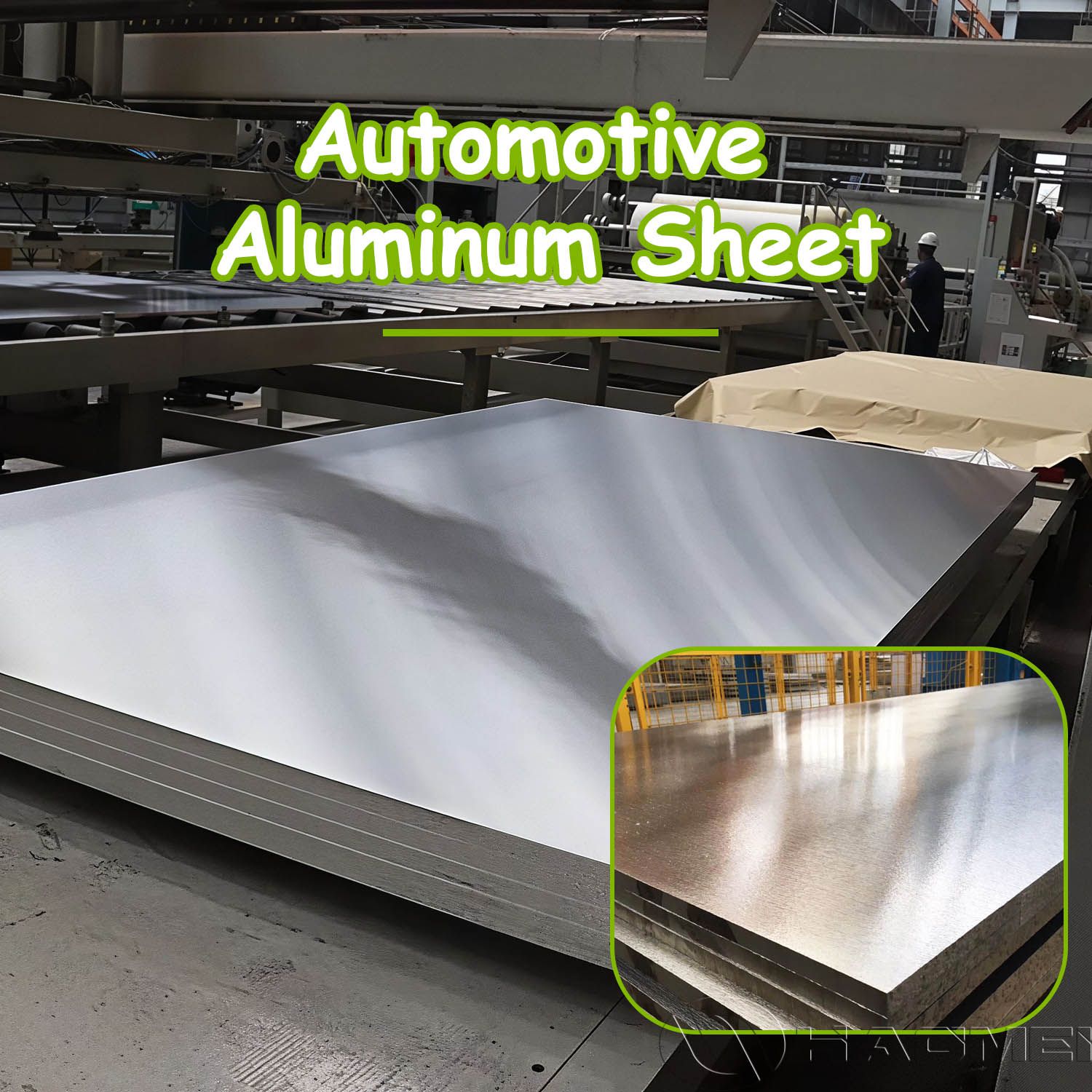
Automotive aluminum plate can be widely used in manufacturing various wheels and related automotive components, including:
Passenger vehicle aluminum alloy wheels
New energy vehicle wheels
Lightweight wheel components for commercial vehicles
Aftermarket and modified vehicle wheels
Wheel rims and spoke structural components
Lightweight automotive chassis parts
Wheels and connecting components for special-purpose vehicles
Key Quality-Control Requirements for Automotive Wheel Aluminum Plate
As automotive wheels are safety-critical components, their raw materials must meet extremely strict quality requirements.
Mechanical Properties
Tensile strength, yield strength, and elongation must strictly comply with applicable standards, with high consistency between production batches. Finished 6061-T6 wheels must pass fatigue tests of more than 300,000 cycles.
Internal Quality
For cast products, internal porosity should not exceed 1%, and inclusions should be no larger than 50 μm. For aluminum plate, the material must be free from delamination and porosity, with a uniform microstructure.
Surface Quality
The aluminum plate surface should be smooth and flat, without scratches, corrosion spots, oil stains, or other defects, ensuring smooth subsequent flow forming and surface-finishing processes.
Dimensional Accuracy
Thickness and width tolerances must meet the continuous processing requirements of automated production lines.
Core Technical Parameters for Wheel Aluminum Plate
To meet the demanding sourcing standards of the international automotive supply chain, high-quality wheel aluminum plate must achieve strict control over chemical composition and physical properties.
| Technical Parameter | 6061-T6 Specification, Typical for Forged Wheels | 6082-T6 Specification, Typical for High-Strength Wheels |
| Tensile Strength, Rm (MPa) | ≥290 | ≥310 |
| Yield Strength, Rp0.2 (MPa) | ≥240 | ≥260 |
| Elongation After Fracture, A50 mm (%) | ≥10% | ≥10% |
| Hardness (HBW) | ≥95 | ≥100 |
| Thickness Range (mm) | 4.0–50.0; custom medium and thick plate available | 4.0–40.0 |
| Surface Quality | Smooth surface; free from cracks, bubbles, slag inclusions, and scratches | Flat surface, dense structure, free from internal inspection defects |
| Core Process | Strict online air-water combined quenching and precise aging treatment | Homogenization annealing and precision slitting |
FAQ
Q1. Which aluminum alloys are commonly used for automotive wheels?
A: The most common alloys are 6061 and 6082, especially in the T6 temper. 6061 offers excellent overall performance and is suitable for most passenger vehicle wheels. 6082 provides higher strength and is suitable for SUVs or heavy-duty vehicles. 5052 is generally used for non-load-bearing parts or decorative applications.
Q2. Can thickness and dimensions be customized?
A: Yes. Customized production is available, including:
Thickness: 10–300 mm for forged thick plate
Width: Up to 2500 mm
Length: Cut according to customer drawings or machining requirements
Q3. Do you provide cutting or pre-machining services?
A: Yes. We offer a variety of value-added services, including:
Precision sawing and surface milling
CNC rough machining for blanks
Surface treatments, such as oxide-skin removal and brushing
These services can help customers reduce subsequent processing costs.
Q4. Are quality certifications available?
A: We can provide complete quality documentation, including:
Mill Test Certificate
Chemical composition and mechanical property reports
Third-party inspection reports, such as SGS
Compliance with ASTM, EN, GB, and other international standards
Q5. What is the minimum order quantity?
A: The standard MOQ is generally 1–3 tons. The specific quantity can be adjusted based on specifications and order conditions. More flexible purchasing options may be available for long-term customers.
Q6. What is the delivery time?
A: Standard specifications generally require 7–15 days. Customized specifications or high-volume orders generally require approximately 15–30 days. The actual delivery time depends on order quantity and processing requirements.
Q7. Do you provide export packaging?
A: Yes. Standard export packaging is available, including:
Wooden pallets or wooden cases
Moisture-proof film and anti-corrosion protection
Reinforced packing suitable for sea and land transportation