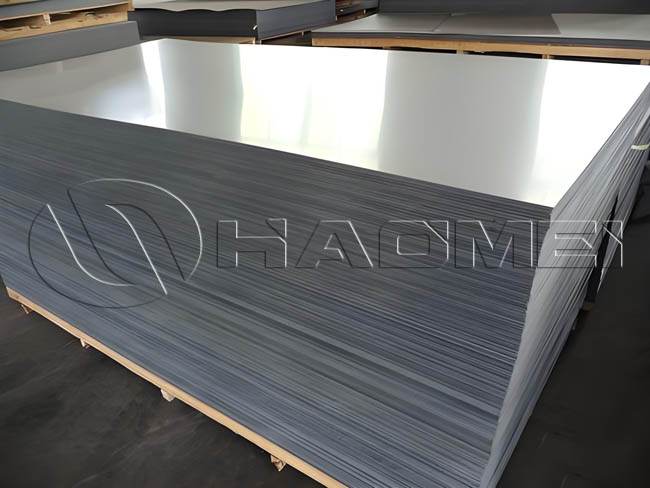
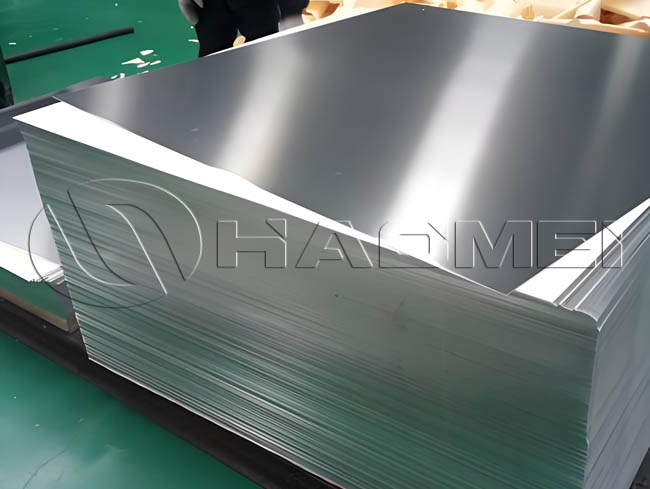
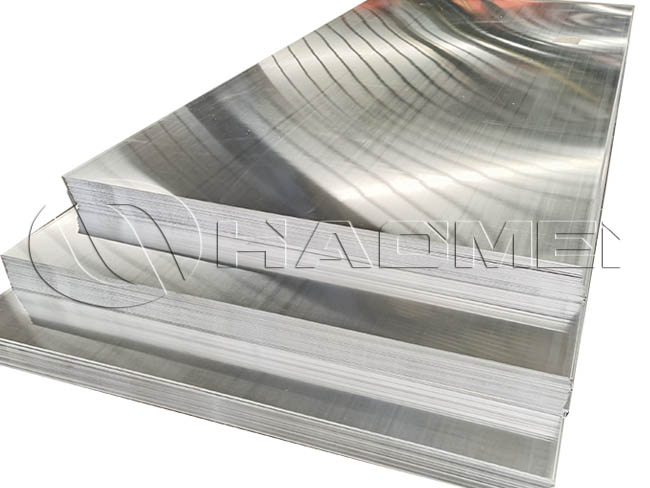
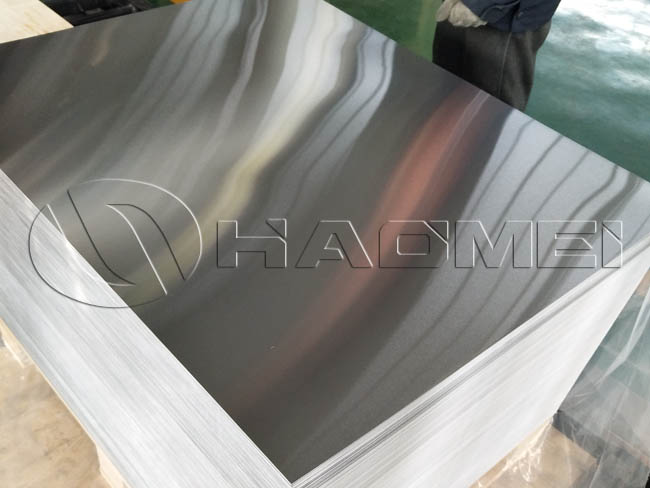
In the global energy transition and electrification trend, lithium-ion batteries, sodium-ion batteries, and power battery pack (PACK) systems are undergoing unprecedented technological development. As an indispensable base material in battery manufacturing, aluminum materials provide comprehensive coverage for battery housings, cover plates, current collectors, structural components, liquid cooling plates, and other battery parts.
With its low density, excellent thermal conductivity, corrosion resistance, easy processability, and recyclability, aluminum sheet has become an essential material in battery manufacturing and battery structural components.
Why Aluminum?
With the dual demands of lightweight design and safety in power batteries, aluminum sheet has become a mainstream choice due to its low density and excellent heat-dissipation capability.
The density of aluminum is only approximately 2.7 g/cm³, about one-third that of steel. Its thermal conductivity is approximately 237 W/m·K, nearly five times that of steel. In addition, aluminum naturally forms a protective aluminum oxide layer on its surface, providing excellent corrosion resistance.
Main Applications of Aluminum Sheet for Batteries
Aluminum sheet has a wide range of applications in battery manufacturing, including the following:
1. Battery Housings
Battery housings are protective structures that require good mechanical strength and corrosion resistance. Due to its high strength-to-weight ratio and corrosion resistance, aluminum sheet is an ideal material for battery housings. It provides reliable protection while maintaining lightweight performance.
2. Electrode Support Plates
In certain battery types, such as lithium-ion batteries, aluminum sheet can be used as an electrode support plate. It provides a stable support structure and helps ensure uniform electrode distribution, thereby improving battery performance.
3. Current Collectors
Aluminum can be used as a current collector to collect and transfer current generated by electrodes. Its excellent electrical conductivity ensures smooth current transmission and improves battery efficiency.
4. Separator Support Structures
In some battery designs, aluminum sheet can serve as a support structure for battery separators, ensuring separator stability and helping prevent internal short circuits.
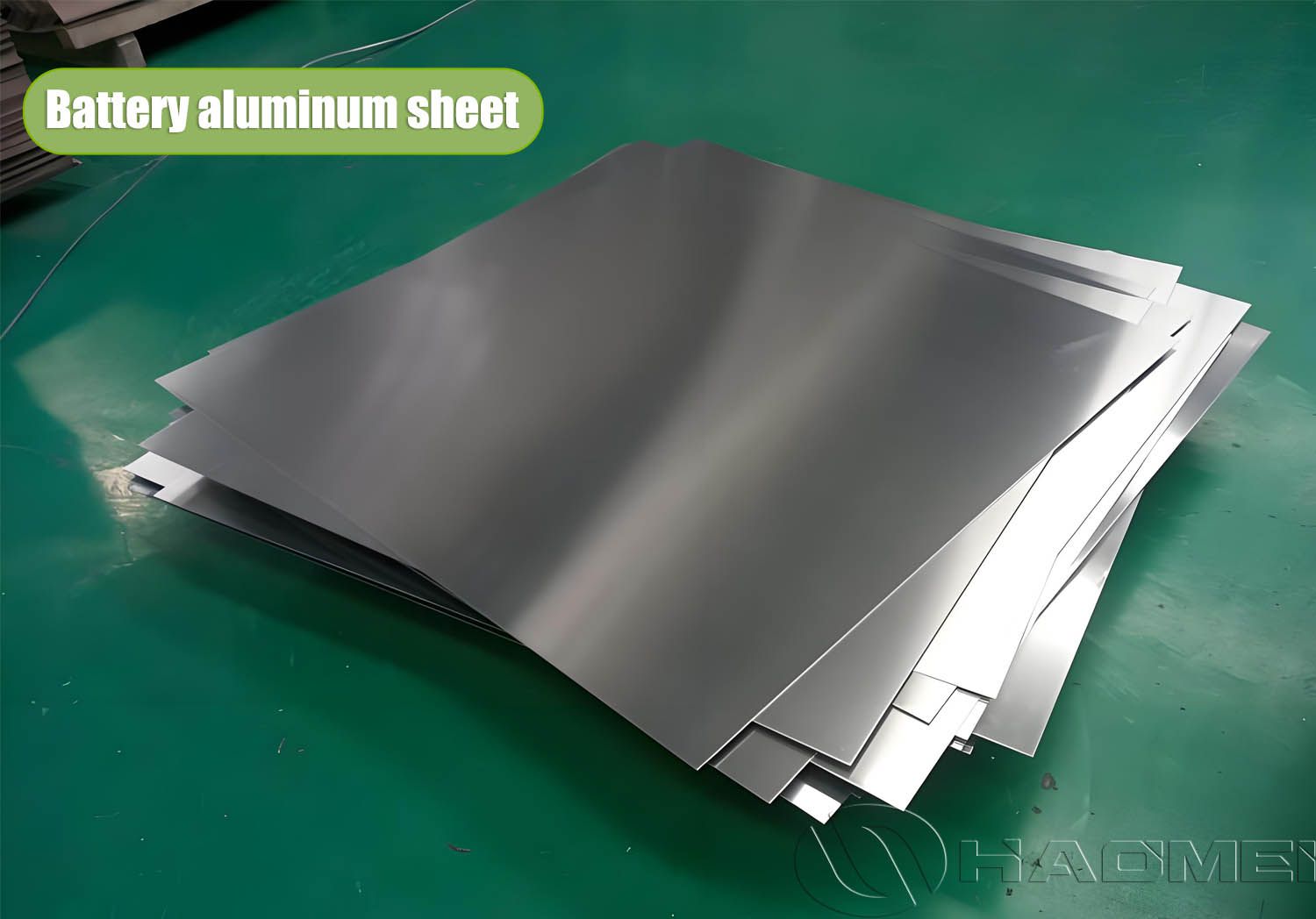
Alloy Grades and Applications
Aluminum sheet for battery housings is mainly made from 3000-series, 5000-series, and 6000-series aluminum alloys.
3003 Aluminum Sheet (Al-Mn Alloy)
3003 aluminum sheet contains approximately 1.0%–1.5% manganese. It offers excellent corrosion resistance and good formability, making it suitable for stamping processes for prismatic battery housings.
3003 aluminum sheet in H14 temper has high elongation and excellent deep-drawing performance, making it suitable for prismatic cell housings. It is also widely used for battery cover plates, brazed liquid cooling plates, battery separators, and other components.
3004 Aluminum Sheet (Al-Mn-Mg Alloy)
3004 aluminum sheet contains magnesium at approximately 0.8%–1.3%. Its strength is about 20% higher than that of 3003 aluminum while maintaining good lightweight and deformation-resistance properties. It is commonly used in high-energy-density batteries.
5052 Aluminum Sheet (Al-Mg Alloy)
5052 aluminum sheet has higher strength than 3003 aluminum, excellent welding performance, and strong resistance to marine atmospheric corrosion. It is one of the most widely used materials for battery tray bodies and upper covers.
5182 High-Strength Aluminum Alloy
5182 aluminum alloy is designed for critical load-bearing battery components, offering high strength and excellent formability. Its tensile strength can reach up to 380 MPa, while reducing weight by approximately 15% compared with conventional materials.
With excellent elongation, it is suitable for demanding applications such as prismatic battery top cover plates and premium cylindrical battery casings. It can effectively improve battery-pack sealing performance and safety. Available in different tempers, it is widely used in mid- to high-end new energy vehicle battery applications.
6061 Aluminum Sheet (Al-Mg-Si Alloy)
6061 aluminum sheet contains approximately 0.8%–1.2% magnesium and 0.4%–0.8% silicon. Its strength can reach approximately 60% of that of steel, while its density is only about one-third of steel.
It offers balanced mechanical properties and is commonly used in battery PACK frames, liquid cooling plate brackets, terminal bases, and other structural components. In T6 temper, its tensile strength can exceed 290 MPa.
5083 Aluminum Sheet
5083 aluminum sheet is an Al-Mg alloy containing approximately 4.0%–4.9% magnesium. It has a tensile strength exceeding 275 MPa and an elongation of at least 10%.
5083 aluminum alloy has good toughness and impact resistance. It is less likely to develop sharp cracks during deformation, offering higher safety than relatively brittle alloys such as 6061. It is mainly used for side panels, partitions, and protective components in cylindrical and prismatic battery systems.
5754 Aluminum Sheet
5754 aluminum sheet is commonly used for new energy vehicle battery cover plates. Typical thicknesses include 3 mm, 4 mm, 6 mm, and 8 mm.
Advantages of Battery Aluminum Sheet
1. Improved Battery Efficiency
The high electrical conductivity of aluminum can reduce resistance losses and improve battery efficiency. This is particularly important for high-performance batteries and can significantly increase energy conversion efficiency.
2. Enhanced Battery Stability
The mechanical strength of aluminum sheet provides reliable protection, helping batteries remain stable during operation. This can extend service life and reduce maintenance requirements.
3. Lightweight Design
The low density of aluminum supports lightweight design, which is particularly important for portable electronic devices and electric vehicles. Reduced weight can improve equipment performance and driving range.
4. Corrosion Resistance
The internal environment of a battery can be highly corrosive. Aluminum sheet offers effective corrosion resistance, helping extend the battery’s service life.
5. Good Processability
Aluminum sheet is easy to cut, weld, and form, allowing it to meet the requirements of different battery designs. This makes it an ideal material for battery manufacturing.
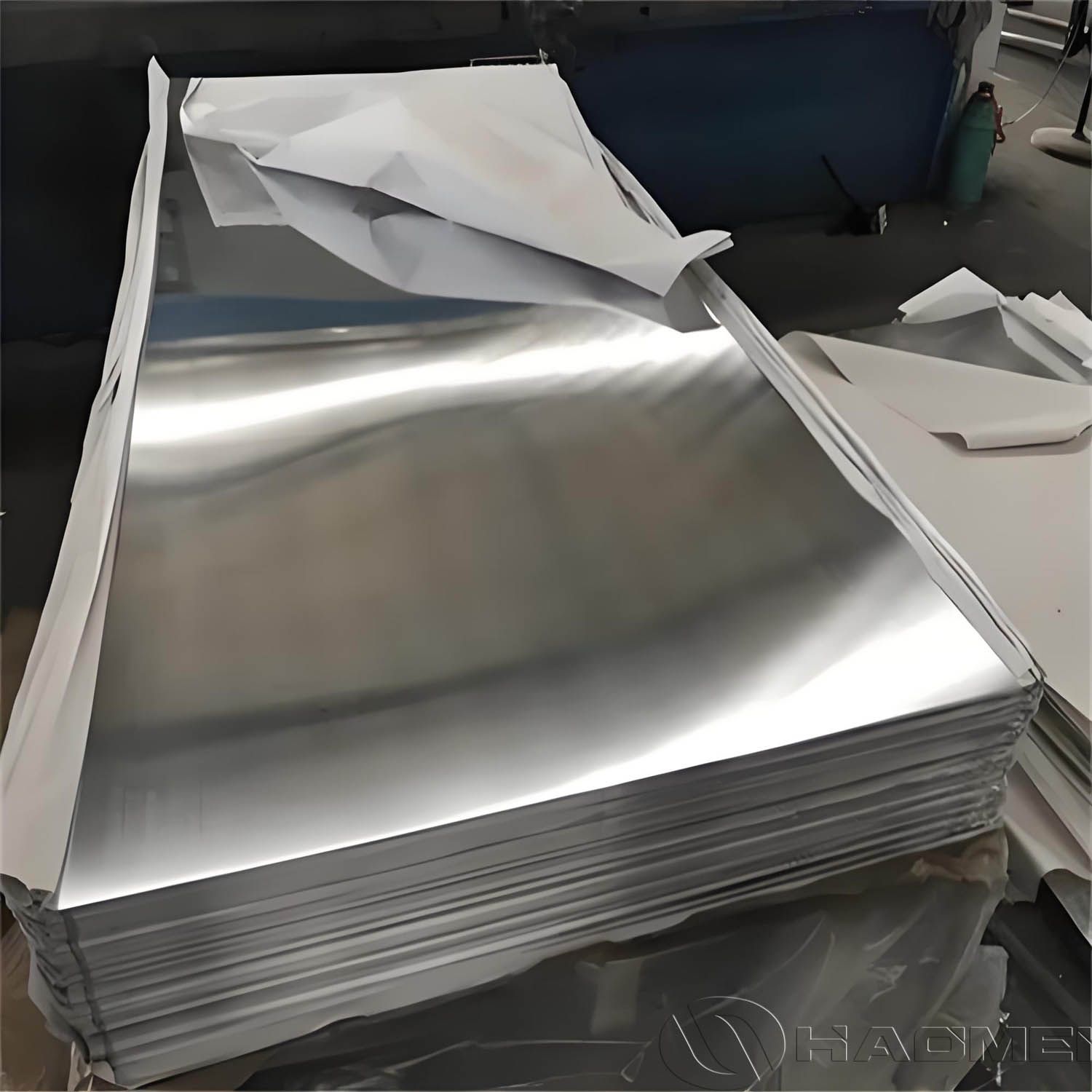
Common Specifications for Battery-Grade Aluminum Sheet
| Item | Common Rang |
| Alloy Grades | 3003, 3105, 5052, 5083, 6061, etc. |
| Tempers | O, H14, H24, H32, H34, H111, H112, T4, T6, etc. |
| Thickness Range | 0.3–200 mm; customized thickness available |
| Width Range | 20–2650 mm |
| Length Range | 1000–12,000 mm; cut-to-length production available |
| Surface Finish | Mill finish, protective film, brushed, polished, anodized, sandblasted, passivated, etc. |
| Supply Form | Sheet, coil, strip, cut-to-length sheet, cut parts, stamped parts, machined components |
| MOQ | 3 tons |
Key Performance Comparison and Material Selection Guide
Different battery components have different requirements for the chemical composition and mechanical properties of aluminum alloys. The following table summarizes common aluminum materials used for key battery components.
| Component | Recommended Alloy | Common Temper | Core Properties and Advantages |
| Cathode current collector aluminum foil | 1235 / 1060 / 1070 | H18 / H24 | Electrical conductivity ≥61% IACS, high tensile strength, tight thickness tolerance, and good surface wettability |
| Prismatic cell stamped aluminum housing | 3003 / 3004 | H14 / O | Good deep-drawing performance, moderate tensile strength, uniform wall thickness, strong laser welds, and low porosity |
| Battery cover plate / pressure-relief valve | 3003 / 1050 | H14 / H112 | Stable and consistent burst pressure, smooth stretch forming, and excellent electrolyte corrosion resistance |
| PACK tray base plate | 5083 / 6061 | H111 / T6 | High specific strength, strong impact resistance, resistance to road salt spray corrosion, and stable welded structures |
| Brazed liquid cooling plate | 3003 + 4343/4045 clad sheet | O / H14 | High thermal conductivity, good high-temperature brazing performance, pressure resistance, sealing properties, and reduced coolant leakage risk |
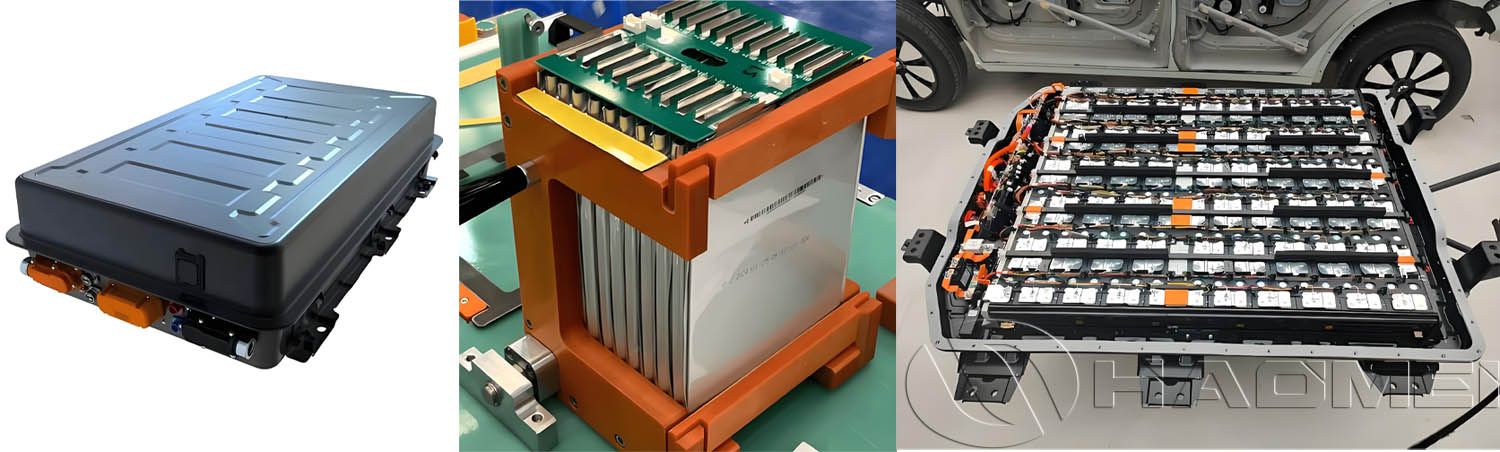
Selection Criteria for Battery Aluminum Sheet
The following factors should be considered when selecting aluminum sheet for battery applications:
1. Thickness
The thickness of aluminum sheet directly affects battery performance. Thinner aluminum sheets can reduce resistance but may compromise mechanical strength. Thicker sheets can improve strength but may increase weight and resistance.
2. Purity
The purity of aluminum affects electrical conductivity and oxidation resistance. Higher-purity aluminum can provide better conductivity and performance in applicable battery components.
3. Surface Treatment
Surface treatment can affect aluminum sheet performance. For example, surface coatings can improve oxidation resistance, while sandblasting can enhance surface texture and mechanical bonding performance.
4. Manufacturing Process
The manufacturing process also affects the final performance of aluminum sheet. Precise rolling and processing technologies are essential for producing high-quality battery-grade aluminum sheet.