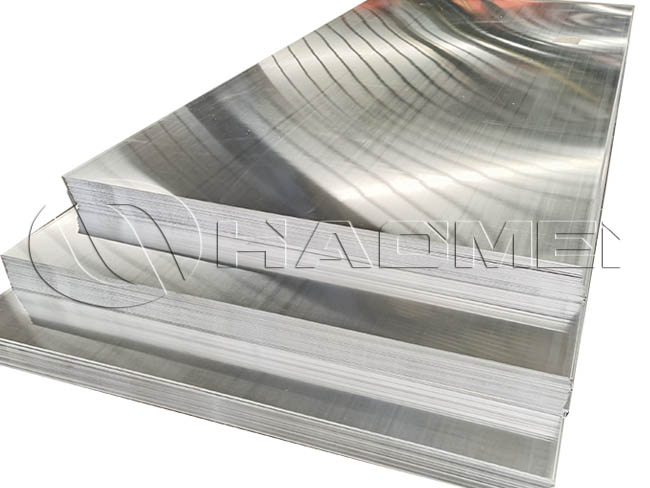
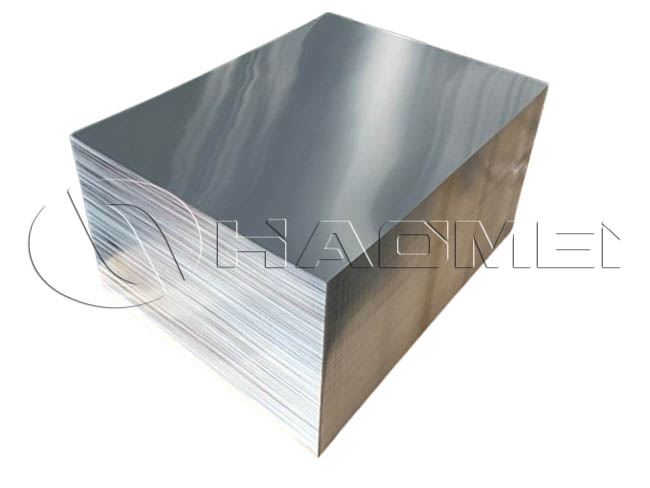
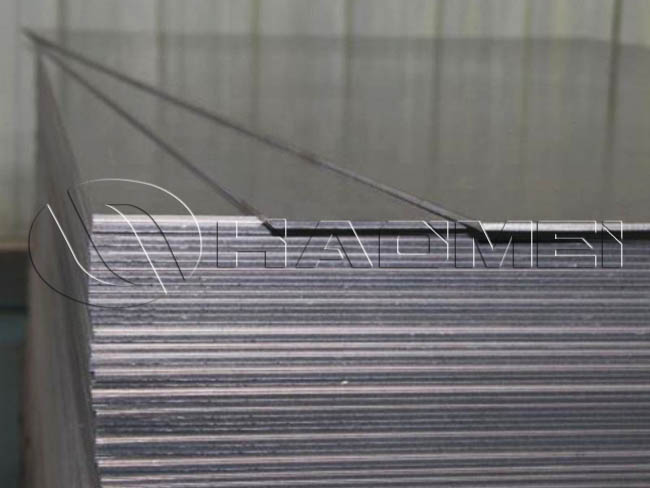
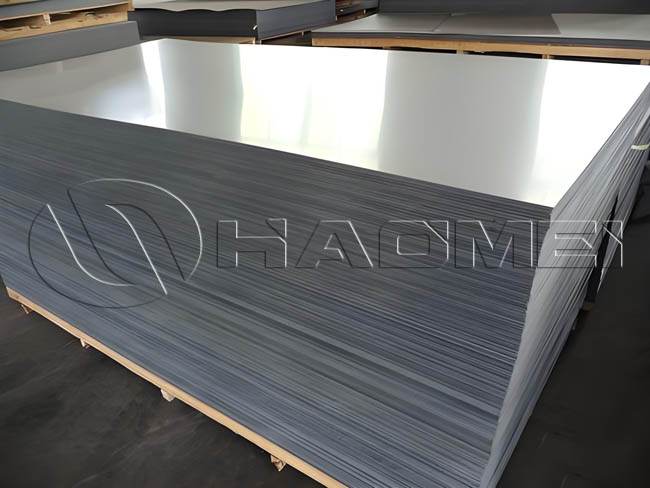
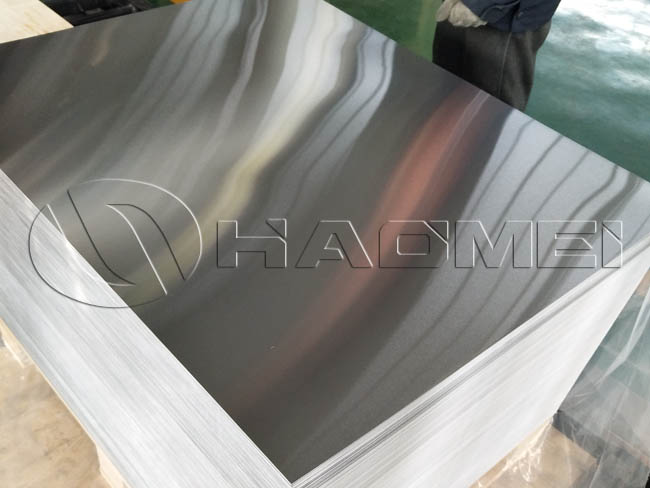
Aluminum sheet for easy-open cans is an aluminum alloy sheet specifically used in beverage can manufacturing. It is typically produced from aluminum alloys through precise rolling and processing technologies. The material serves as the container wall and end cover of the can, providing structural support and sealing performance.
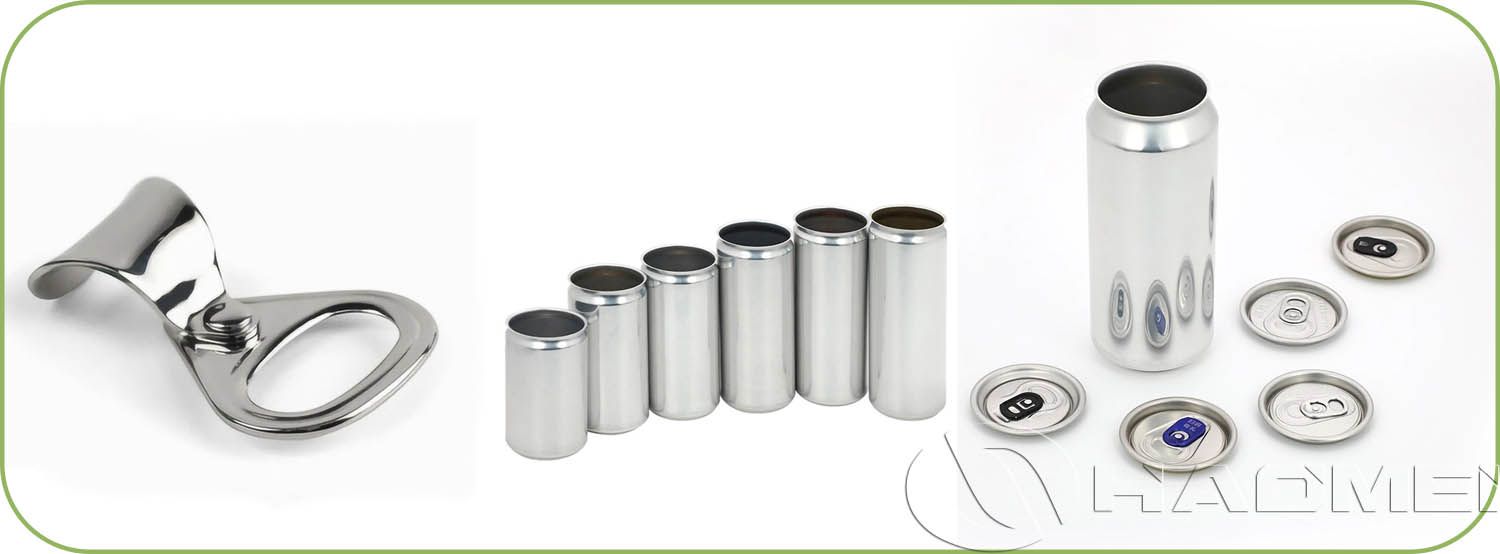
A complete aluminum easy-open can consists of three main parts: the can body, the can end or lid, and the pull tab. Since each component experiences different stresses and manufacturing processes, specific aluminum alloy grades and tempers are selected for each application.
Application Part | Main Alloy Grades | Common Temper | Thickness Range | Key Performance Requirements |
| Can Body | 3104 / 3004 | H19 | 0.23–0.28 mm | Extremely high tensile strength, very low earing rate, excellent draw-and-wall-ironing (DWI) performance |
| Can End / Lid | 5182 / 5052 | H48 / H19 | 0.20–0.24 mm | High internal-pressure burst resistance, good score-opening performance, and flange formability |
| Pull Tab | 5182 | H19 / H38 | 0.30–0.40 mm | High tensile strength, high hardness, and excellent bending fatigue resistance |
Performance Characteristics of Aluminum Sheet for Easy-Open Cans
1. Lightweight
Aluminum has a low density, allowing aluminum can stock to reduce the overall weight of beverage cans and improve portability.
2. Corrosion Resistance
Aluminum alloys offer good corrosion resistance, helping prevent the can contents from reacting with the container wall and preserving product quality.
3. Strength and Hardness
Aluminum alloys provide sufficient strength and hardness to support the can structure, ensuring stability and reliable sealing performance.
4. Good Formability
Aluminum alloys have excellent formability and can be manufactured into cans of various shapes and sizes through stamping, drawing, and wall-ironing processes.
5. Good Thermal Conductivity
Aluminum alloys have good thermal conductivity, enabling the contents of a can to cool quickly and helping maintain freshness.
6. Environmentally Friendly and Recyclable
Aluminum has high recycling value. Compared with primary aluminum production, recycled aluminum requires less energy and generates lower carbon emissions.
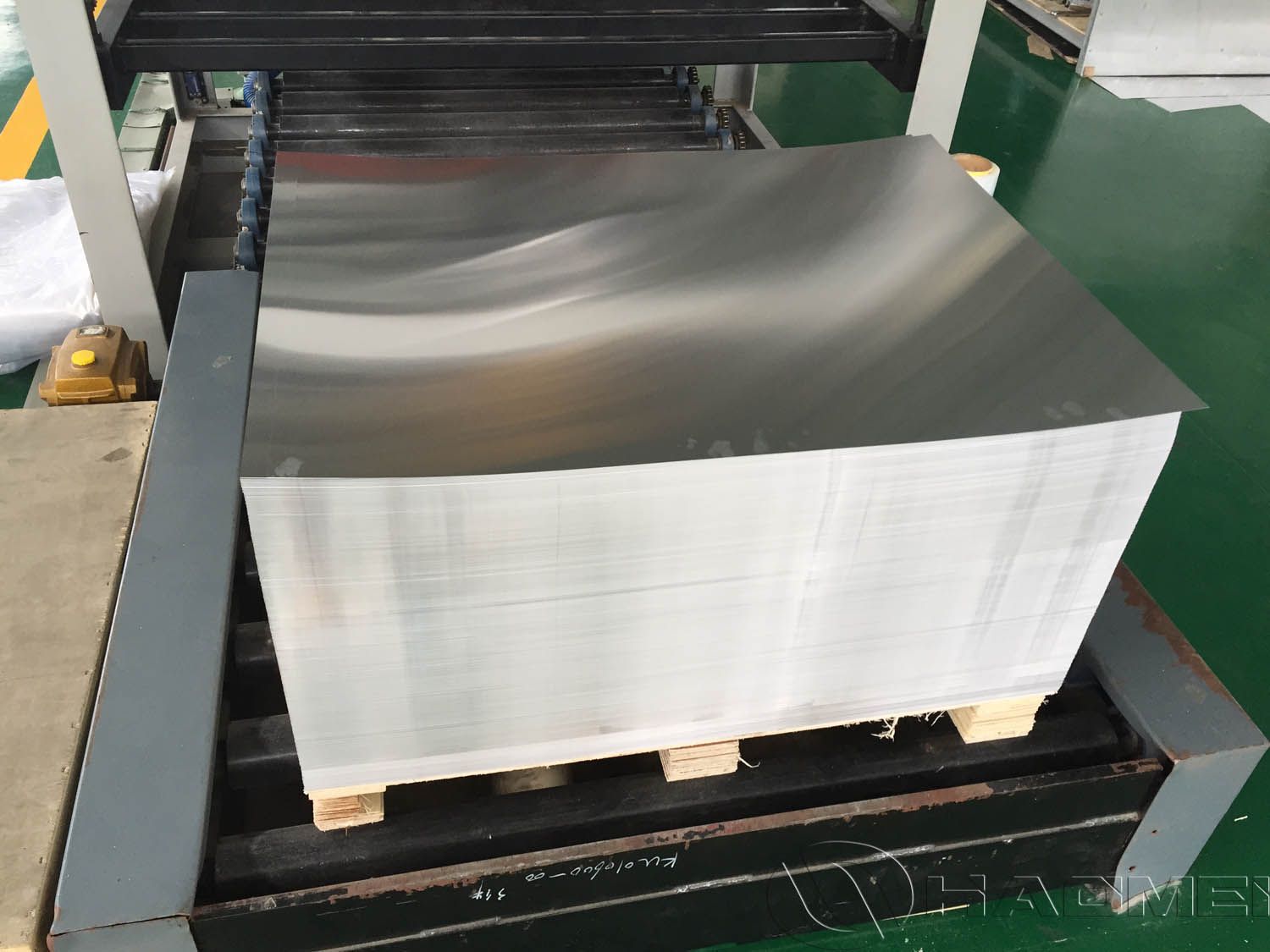
Applications and Requirements of Aluminum Can Stock
5182 Aluminum Alloy for Can Tabs
5182 is an aluminum-magnesium alloy containing approximately 4.0%–5.0% magnesium, with a small amount of silicon added. It is the preferred material for easy-open can pull tabs.
Compared with 5052, 5182 has a higher magnesium content, better weldability, and higher strength. Therefore, it is more suitable for high-stress pull tab applications. More than 90% of beverage can ends worldwide are manufactured from 5182 alloy.
Mechanical Property Requirements for 5182-H19 Aluminum Can Tab Stock
Based on Chinese national standards:
| Property | Requirement |
| Tensile Strength | 360–410 MPa |
| Yield Strength | 310–360 MPa |
| Elongation | ≥6% |
| Thickness | 0.250–0.500 mm |
| Thickness Tolerance | ±0.004 mm |
| Width | 800–1200 mm |
| Width Tolerance | ±0.3 mm |
5052 Aluminum Alloy for Can Ends
5052 is one of the most widely used grades among 5000-series aluminum-magnesium alloys, with a magnesium content of approximately 2.2%–2.8%. For beverage can ends, 5052 stands out for its good corrosion resistance, weldability, and cold-working performance.
As a can-end material, 5052 aluminum sheet must provide sufficient strength to ensure sealing performance while remaining easy for consumers to open. In H19 temper, 5052 aluminum has a tensile strength of 270–330 MPa, a yield strength of 240–300 MPa, and elongation of at least 5%.
After polishing, it has a bright surface finish and can be stamped accurately into can ends. When 5052 aluminum alloy is used to produce can ends, it is generally anodized first to improve coating adhesion and corrosion resistance. Both sides are then coated before end-forming operations.
Requirements for 5052/3104 Aluminum Alloy Sheet for Aluminum Can Ends
Flatness: The strip must be free of significant waviness; the wave height must not exceed 3 mm within a 1-meter span, and the number of waves per meter must not exceed 3.
Side Curvature: The side curvature of the product must not exceed 0.5 mm over any 2,000 mm length.
End Warpage: For any 1,500 mm length of the product, the end warpage height must be ≤5 mm.
Connectors: The use of connectors is not permitted.
Surface and End Face Quality:
(1) Surface: Defects affecting the product's visual quality—such as severe bubbles, coating skips, scratches, corrosion, oil stains, peeling, streaks, color variations, spots, roll marks, or periodic marks—are not permitted. Burrs must be ≤0.04 mm.
(2) End Face: The end face must be flat and tightly wound with no loose layers; layer misalignment must be ≤2 mm, and telescoping must be ≤5 mm.
Mechanical Property Requirements for 5052-H19 Can-End Stock
Based on Chinese national standards:
| Property | Requirement |
| Tensile Strength | 270–330 MPa |
| Yield Strength | 240–300 MPa |
| Elongation | ≥5% |
| Thickness | 0.208–0.360 mm |
| Thickness Tolerance | ±0.005 mm |
| Width | 800–1730 mm |
| Width Tolerance | +1.0 mm |
3104 Aluminum Alloy for Can Ends and Can Bottoms
3104 aluminum alloy is a reliable choice for can ends and bottoms. As parts that directly contact beverages, can ends have extremely high requirements for safety and sealing performance.
Can ends made from 3104 aluminum coil can fit tightly with the can body, forming an effective seal that prevents beverage leakage and the entry of contaminants. The material also has sufficient strength to withstand the forces generated during opening and closing, ensuring convenience and safety for consumers.
Aluminum Can Body Materials: 3004 and 3104 Aluminum Sheet
3004 aluminum alloy is a commonly used aluminum-magnesium-manganese alloy. Aluminum sheet used to manufacture beverage cans is often produced from 3004 alloy.
3004 is a modified version of 3003 alloy and offers good formability, weldability, and corrosion resistance. It is mainly used for processed products requiring high formability, corrosion resistance, and welding performance. Aluminum naturally has good oxidation resistance, making it suitable for beverage cans and helping prevent carbonated beverages from corroding the can body.
3104 aluminum alloy is harder than 3004 aluminum alloy and can be used to manufacture can bodies with thinner walls. It also has good formability and corrosion resistance and is commonly used for can ends.
Both 3004 and 3104 aluminum sheets have excellent deep-drawing capability and ductility, allowing them to adapt perfectly to high-speed can body stamping processes. In addition, they have a low post-drawing earing rate, enabling the production of seamless can bodies. The H19 temper provides sufficient strength, making these alloys ideal for manufacturing airtight beverage can bodies.
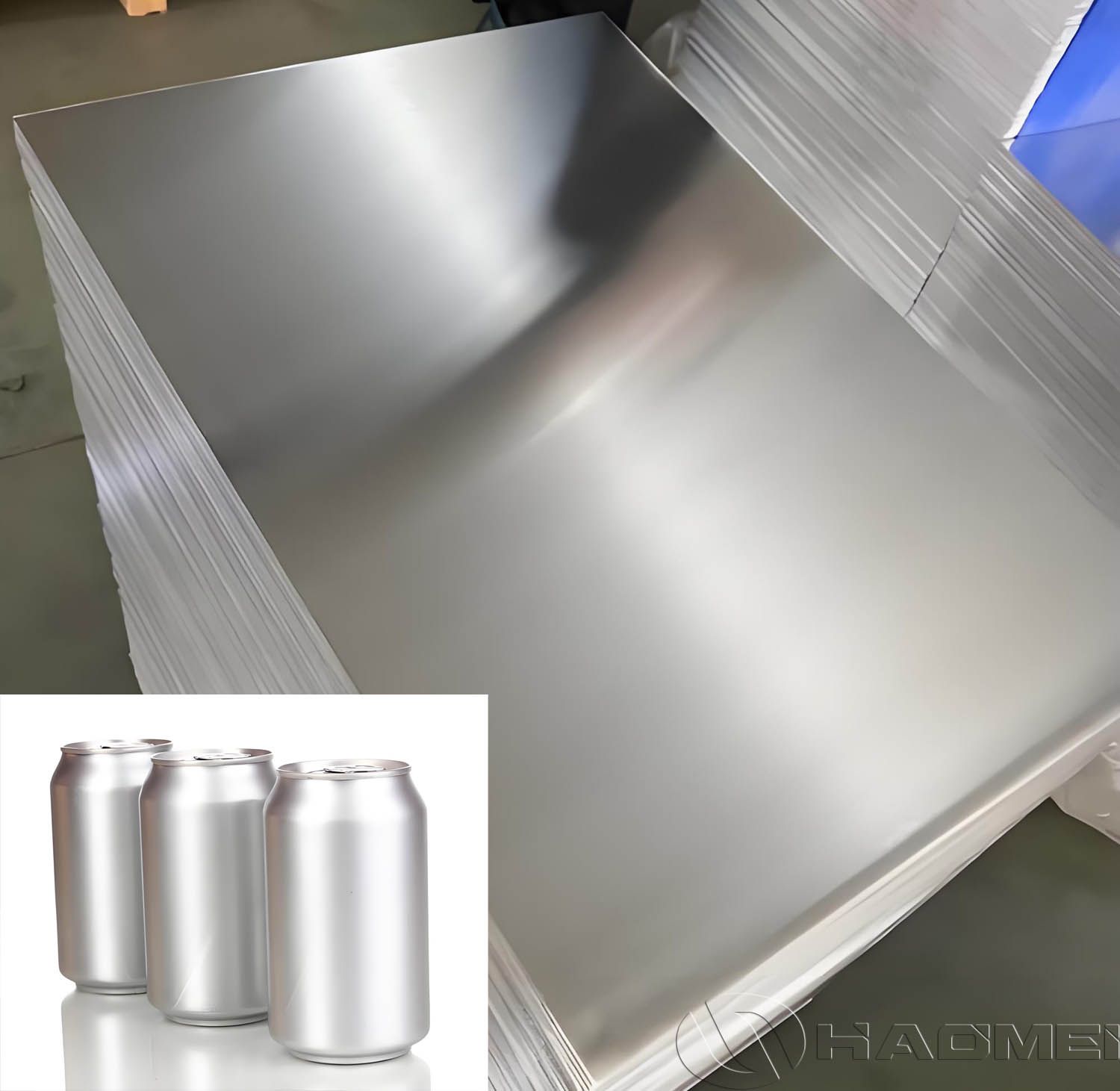
Production Process of Aluminum Sheet for Easy-Open Cans
Melting, Casting, and Homogenization
High-purity aluminum ingots are melted with precisely controlled amounts of alloying elements such as magnesium and manganese, then cast into slabs. The slabs undergo homogenization heat treatment to eliminate compositional segregation and establish a suitable microstructure for subsequent rolling.
Hot Rolling and Cold Rolling
The slabs are progressively reduced in thickness through hot rough rolling and hot finish rolling, followed by multiple cold rolling passes to reach the required final thickness.
Precise control of hot rolling temperature directly affects the material texture and anisotropy. Rolling a slab from several tens of millimeters down to a thin sheet of approximately 0.2 mm involves a thickness reduction of more than 99%, representing a key aspect of aluminum processing technology.
Heat Treatment and Finishing
Intermediate annealing and final heat treatment, including high cold-work hardening for H19 temper, are used to achieve the required mechanical properties. Finishing processes include edge trimming, slitting, surface cleaning, and related operations.
Surface Treatment
Aluminum strip for can ends must be cleaned and coated with a chemical pretreatment film before coating. Certain products also require food-grade protective coatings.
Applications of Aluminum Sheet for Easy-Open Cans
Beverage Cans
Beverage cans are the most common type of easy-open can and are used to package products such as cola, soda water, juice, energy drinks, and other beverages. Aluminum can stock is an essential material for these cans.
Food Cans
Food cans are used for packaging snacks, seasonings, dairy products, and other food items. Aluminum sheet provides good sealing performance and structural support to preserve food freshness and quality.
Pharmaceutical Cans
Pharmaceutical cans are used to package tablets, capsules, and other medicines. Aluminum can stock provides reliable sealing and protection, helping ensure the stability and effectiveness of pharmaceutical products.
Other Applications
In addition to the applications above, aluminum sheet for easy-open cans can also be used in cosmetic packaging, industrial components, and other specialty applications.