- Home
- Application
-
Aluminum Sheet for Water Cooling Plates / Liquid Cooling Plates
Email:sales@alummc.com
WhatsApp:+86-18703635966
Get a quotation -
Products
Email:sales@alummc.com
WhatsApp:+86-18703635966
Get a quotationProducts
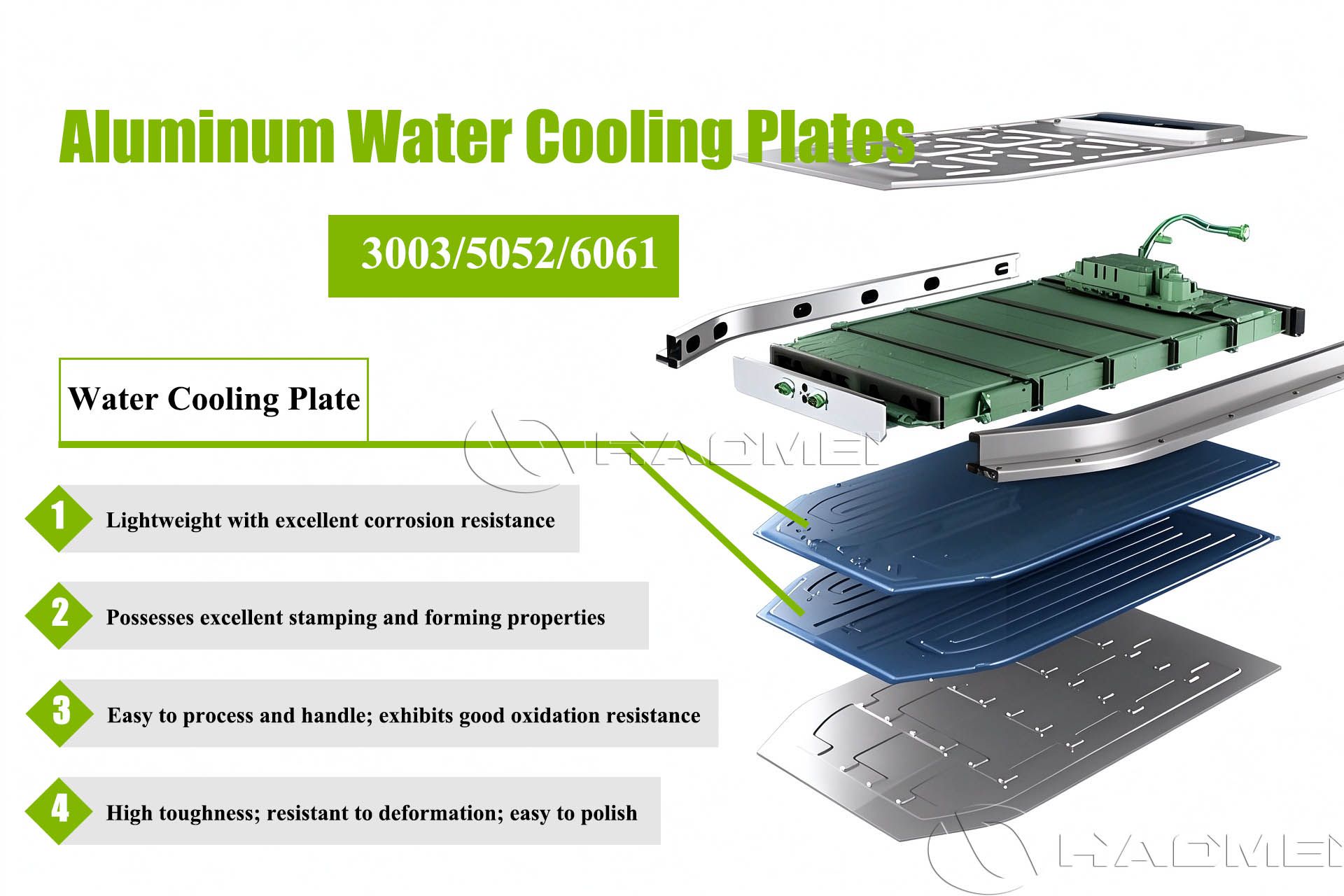
Water cooling plates, also known as liquid cooling plates, are core components of thermal management systems for new energy vehicle power batteries, energy storage systems, and high-power electronic equipment. They efficiently remove heat through coolant circulation inside internal flow channels.
As the base material for liquid cooling plates, aluminum sheet directly affects the reliability and service life of the finished cooling plate. Key material properties include thermal conductivity, brazability, pressure resistance, and corrosion resistance.
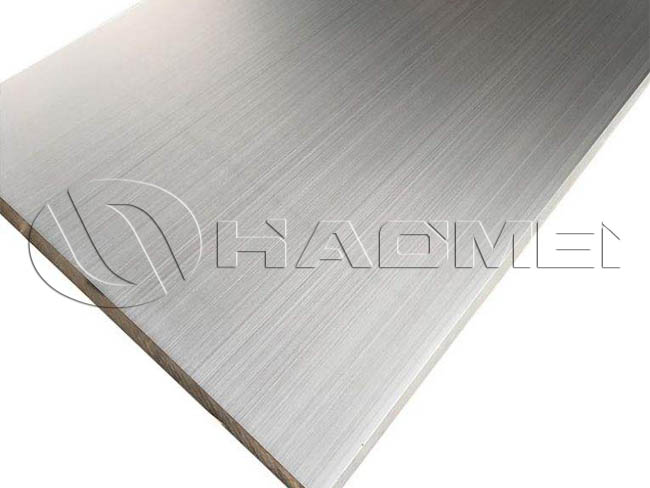
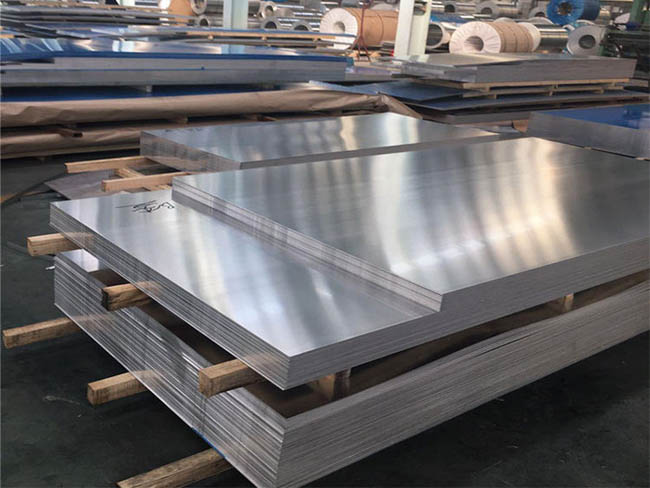
Our products cover 3xxx series alloys (3003/3003MOD), 4xxx series alloys (4343/4045), 5xxx series alloys (5052/5083), and 6xxx series alloys (6061). We offer both single-layer aluminum sheets and hot-rolled clad sheets, with thicknesses from 0.02 to 10 mm and widths up to 2,650 mm.
The materials are suitable for major liquid cooling plate manufacturing processes, including stamping plus brazing, blow forming, friction stir welding (FSW), and laser welding. Whether used for EV battery packs, energy storage liquid cooling cabinets, or AI server cold plate modules, suitable material solutions can be selected according to your manufacturing process.
For new energy vehicles centered on battery charging and discharging, battery cooling is one of the key technologies. Battery cooling methods are generally divided into air cooling, liquid cooling, and direct cooling.
Among them, air cooling is widely used in electric buses and low-power electric vehicles. Liquid cooling is more commonly used in passenger vehicles, while direct cooling has the highest technical requirements and represents a future development direction for electric vehicles.
Air cooling uses air as the heat transfer medium. Natural airflow or fans blow cool air onto the battery to reduce its temperature.
Liquid cooling uses water or coolant to exchange heat with the battery. One common solution is a tube-embedded cold plate, which adds a flow channel coupled with the refrigeration circulation system, allowing the refrigerant or coolant to carry away heat from the battery.
Cooling Medium Type | Air Cooling | Water Cooling / Liquid Cooling |
| Alloy | 3003, 3003MOD, 4343, 4045, 4004, 4104, 6061MOD, 7075 | 3003, 3003MOD, 4343, 4045, 4004, 4104, 6061MOD |
| Thickness | 0.5-8.0 mm | 0.5-8.0 mm |
| Width | 200-2200 mm | 200-2200 mm |
| Length | 500 mm and above | 500 mm and above |
| Clad Structure | 2-layer, 3-layer, or 4-layer clad structures | 2-layer, 3-layer, or 4-layer clad structures |
| Performance | Alloy composition, cladding ratio, and mechanical properties can be customized according to customer requirements | Alloy composition, cladding ratio, and mechanical properties can be customized according to customer requirements |
Different material tempers are available according to the customer’s processing method and performance requirements:
O Temper: Soft material with good elongation; suitable for deep drawing, stretching, flow channel pressing, bending, and other forming processes.
H14 / H24 Temper: Offers moderate strength and workability; suitable for general stamping, bending, and structural component processing.
H32 Temper: Balances strength, corrosion resistance, and processing stability; commonly used for welded liquid cooling plates.
H111 Temper: Suitable for applications requiring a balance of formability and weldability.
T4 / T6 Temper: Suitable for heat-treatable alloys such as 6061; provides high structural strength for CNC machining and high-strength cooling components.
1. Excellent Thermal Conductivity for Improved Heat Dissipation
Aluminum and aluminum alloys offer excellent thermal conductivity, enabling heat generated by the heat source to be rapidly transferred to the coolant circulation system. When used in liquid cooling plate production, these materials help reduce the operating temperature of battery cells, motor controllers, power modules, server chips, and electronic devices, improving overall system stability.
2. Flat Surface for High-Precision Processing
Water cooling plate manufacturing requires high flatness from raw materials. High-quality aluminum sheets and strips provide excellent flatness control, reducing warpage, deformation, and positioning errors during stamping, CNC machining, welding, cladding, and assembly. This improves production efficiency and finished-product yield.
3. Stable Thickness for Consistent Liquid Cooling Plate Quality
Stable thickness control is suitable for mass production requirements. Consistent thickness tolerances help ensure uniform flow channel depth, sheet pressure resistance, welding quality, and cooling performance. This is particularly important for large-scale manufacturing of EV battery liquid cooling plates and energy storage liquid cooling plates.
4. Excellent Stampability, Drawability, and Machinability
Depending on the alloy grade and temper, our materials can meet the requirements of stamping, bending, drawing, roll forming, slot punching, embossing, CNC milling, drilling, and tapping. Stable processing performance helps reduce the risks of cracking, springback, burrs, and machining deformation.
5. Good Welding and Brazing Performance
Liquid cooling plates generally require brazing, vacuum brazing, friction stir welding, laser welding, TIG welding, press bonding, or other methods to form sealed flow channels. Suitable aluminum alloy sheets and strips provide good welding compatibility, helping improve weld strength, sealing reliability, and pressure resistance.
6. Good Corrosion Resistance
During long-term operation, liquid cooling plates may be exposed to coolants, water-based antifreeze, ethylene glycol solutions, and other media. Therefore, corrosion resistance is critical. By selecting suitable alloys and surface treatments, corrosion resistance under complex operating conditions can be improved, extending the service life of the liquid cooling system.
7. Custom Specifications and Bulk Supply Available
Thickness, width, length, coil weight, inner diameter, surface condition, and packaging methods can be customized according to customer drawings, samples, or technical requirements. This supports various liquid cooling plate manufacturing processes and automated production line requirements.
| Item | Available Range |
| Product Form | Aluminum sheet, aluminum coil, aluminum strip, slit coil |
| Alloy | 3003 / 3003MOD / 4343 / 4045 / 5052 / 5083 / 6061, etc. |
| Temper | O, H14, H24, H32, H111, T4, T6, etc. |
| Thickness Range | 0.02–10.0 mm |
| Width Range | 100–2650 mm |
| Length | 1000–16000 mm |
| Clad Structure | Single-side cladding, double-side cladding, multi-layer cladding; customizable |
| Thermal Conductivity, Clad Material | Typical 120–150 W/(m·K) |
| Reference Burst Pressure of Finished Product | Standard requirement: ≥2.5 MPa; high-end applications: up to 5.0 MPa |
| Coil Inner Diameter | Different inner diameters available according to equipment requirements |
Surface Condition | Milled surface, bright surface, clean surface, degreased surface, etc. |
| Packaging | Moisture-proof packaging, wooden pallet packaging, reinforced export packaging |
| MOQ | 1–3 tons |
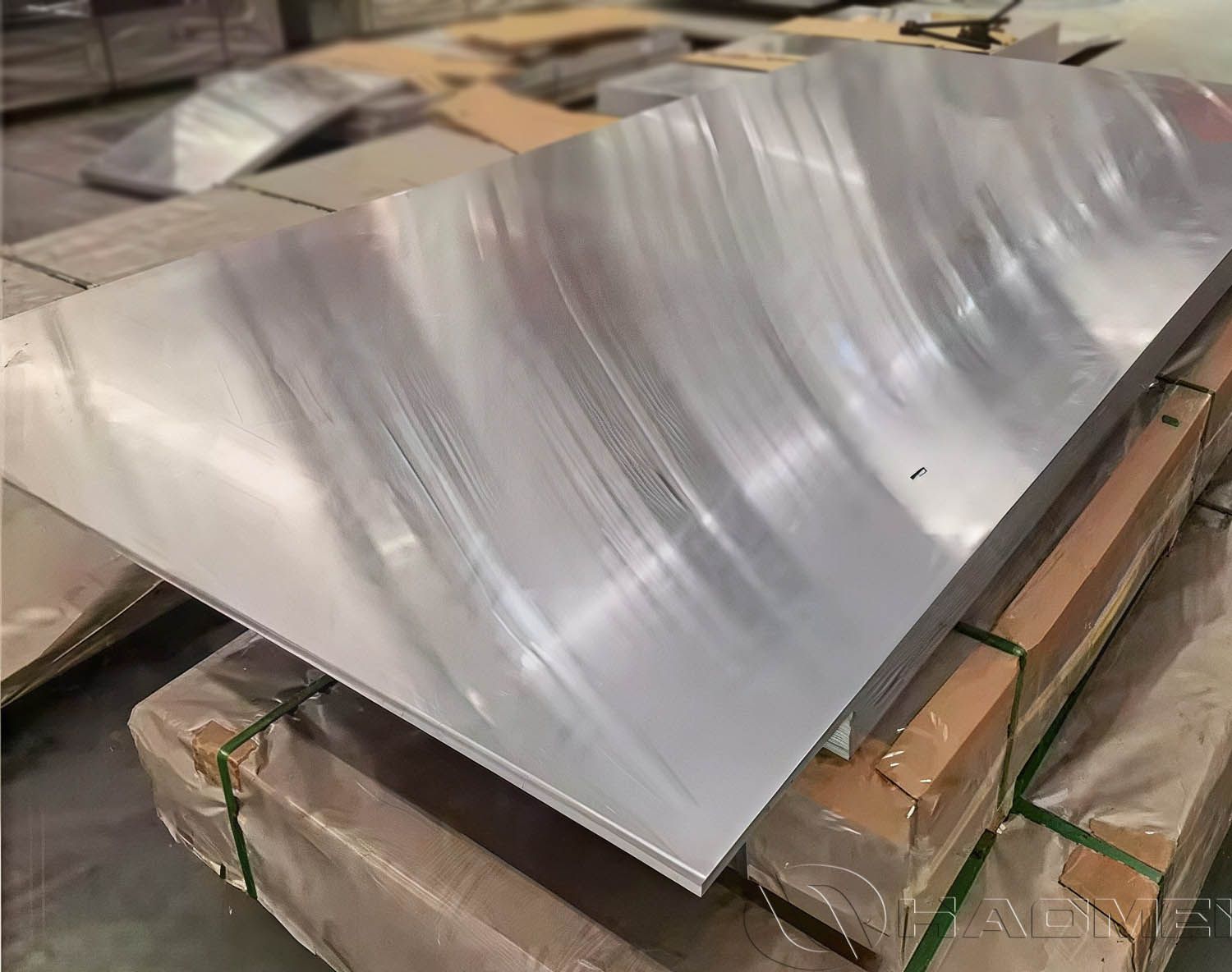
Aluminum sheets and strips for water cooling plates and liquid cooling plates can be used in a variety of manufacturing processes. Customers can select appropriate materials based on product structure and production requirements.
Stamping forming
Deep drawing forming
Flow channel stamping
CNC milling
Drilling, tapping, and precision machining
Vacuum brazing
Flame brazing
Friction stir welding (FSW)
Laser welding
TIG welding
Roll bonding
Adhesive bonding
Anodizing
Chemical conversion treatment
Coating, electrophoretic coating, and other anti-corrosion treatments
For different processing methods, it is recommended to confirm the alloy, temper, surface cleanliness, flatness, thickness tolerance, and mechanical property requirements before purchasing, ensuring that the raw material matches the production process.
New Energy Vehicles: Power battery pack liquid cooling plates and module heat dissipation base plates
Energy Storage Systems: Battery cluster liquid cooling cabinets and PACK-level water cooling plates
AI Computing and Data Centers: Server cold plate substrates and GPU/CPU liquid cooling head base materials
Conventional Heat Exchange Equipment: Condensers, evaporators, radiators, and header pipes
Industrial Thermal Management: Liquid cooling plates for photovoltaic inverters and heat dissipation substrates for high-power equipment
Q1: Do you supply finished liquid cooling plates or raw materials?
A: We supply aluminum sheet and strip raw materials, including single-layer sheets and clad sheets. We do not manufacture finished liquid cooling plates. Customers can process the materials through stamping, brazing, blow forming, or machining according to their own production methods.
Q2: How do I select materials according to my manufacturing process?
A: The following is a general reference:
For stamping + brazing, select 3003/4343 or 3003MOD/4045 clad sheets.
For blow forming, select double-sided clad thin strips or aluminum foil.
For friction stir welding or laser welding, select 5052 or 5083 single-layer sheets.
If you are unsure, please provide the flow channel structure, pressure resistance requirements, and available equipment for your finished cooling plate. We can assist in recommending suitable materials.
Q3: Can the cladding ratio of the clad sheet be customized?
A: Yes. The cladding layer thickness ratio for single-sided or double-sided clad materials can be adjusted according to brazing process requirements. The conventional cladding ratio for one side is approximately 8%–15%. Final specifications are subject to the technical agreement confirmed by both parties.
Q4: What is the minimum order quantity? Are samples available for testing?
A: Small trial orders and sample delivery are supported. For regular specifications, A4-size samples or small coil samples can be provided for stamping and welding trials. The MOQ for bulk orders depends on alloy grade, thickness, and clad structure. Please contact us for a quotation.
Q5: Can you provide material certificates or third-party testing?
A: A material certificate, including chemical composition and mechanical properties, can be provided with the shipment. If SGS reports, third-party corrosion testing, or brazing performance test reports are required, testing can be arranged separately. Costs and lead times will be confirmed separately.
Q6: What is the delivery time?
A: Delivery for regular in-stock specifications is approximately 5–10 working days. Customized clad structures or non-standard dimensions generally require approximately 25–35 working days. The final lead time is subject to the production schedule confirmed at the time of order confirmation.
Q7: What precautions should be taken during storage and transportation?
A: Aluminum sheets and strips should be stored in a dry, well-ventilated environment and kept away from acidic or alkaline substances. Clad sheets are recommended to be sealed in moisture-proof packaging and used as soon as possible after opening. Wooden pallets and reinforced protection are used during transportation to prevent rain exposure and impact damage. For long-distance ocean transportation, desiccants and moisture-proof film are recommended.
Q8: What should I do if brazing defects or stamping cracks occur?
A: Please retain the problematic material samples and process records, including stamping parameters, brazing temperature curves, furnace atmosphere data, and other relevant information. Contact us as soon as possible. We will assist in determining whether the issue is related to the material or process parameters. If a confirmed material quality issue exists, replacement or supplementary material will be provided according to the agreed terms.
WELCOME TO CONTACT US
Your information is for contact only and will not be shared with any third party.