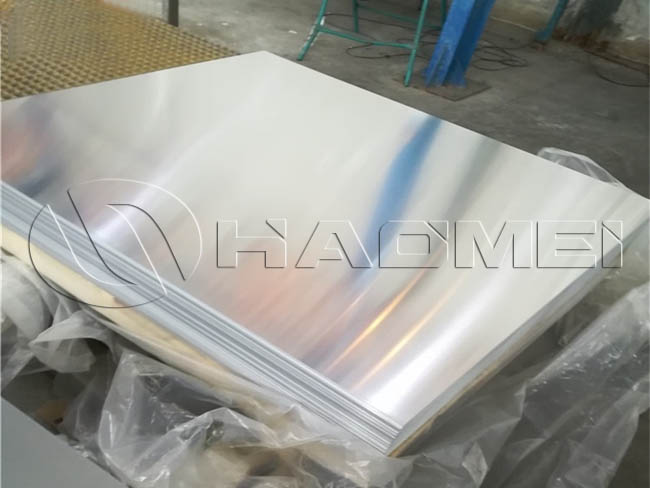
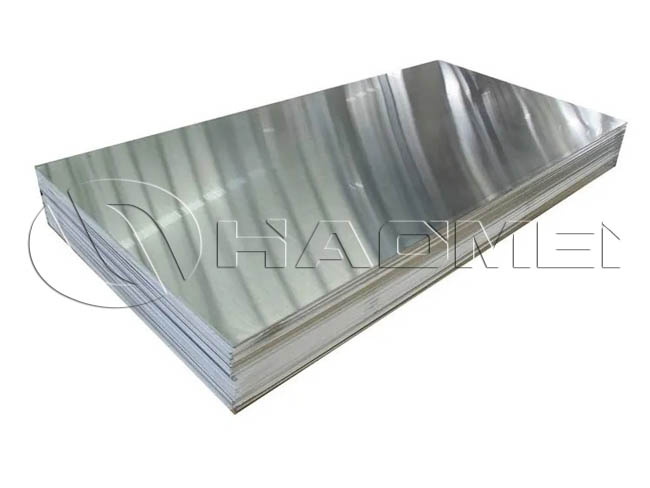
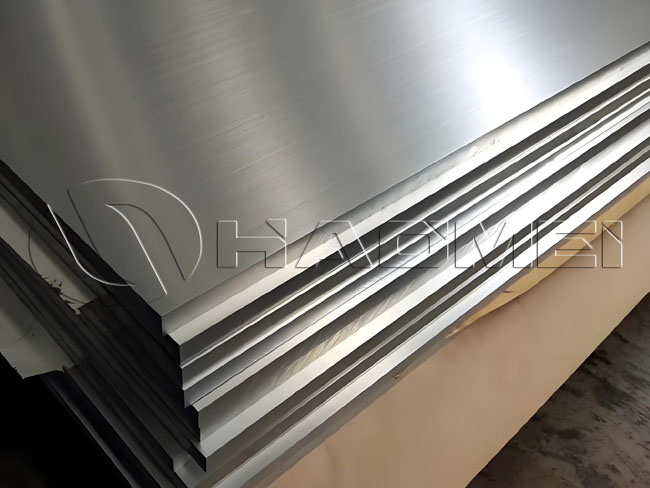
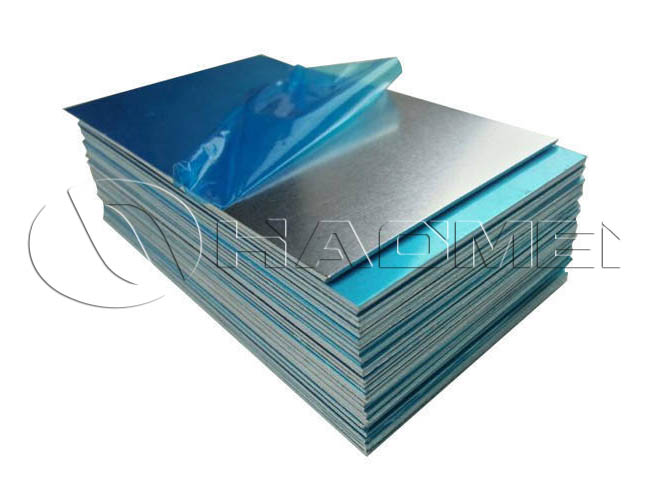
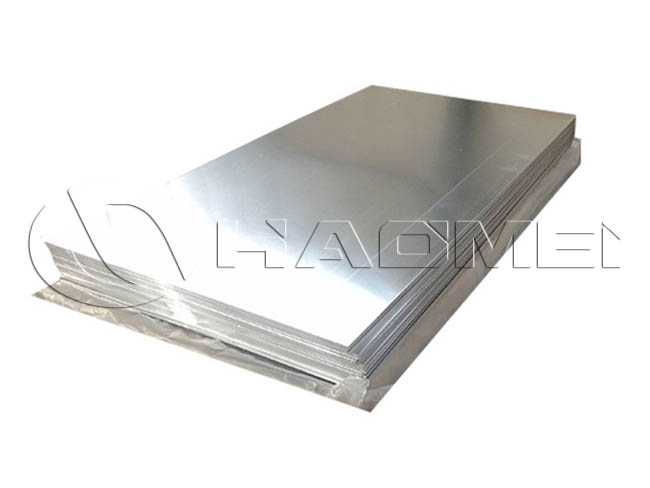
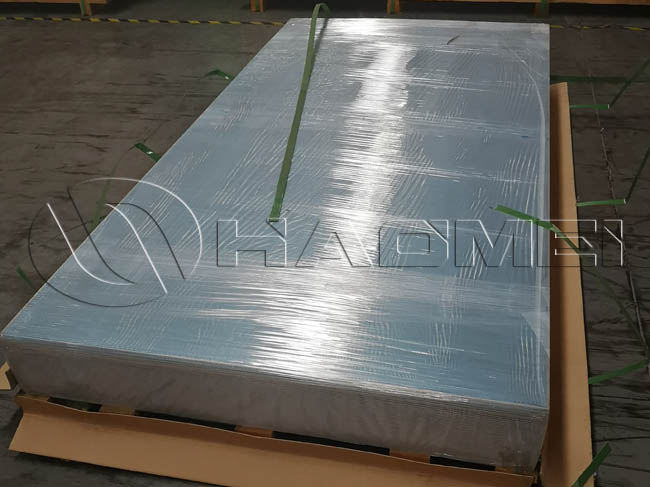
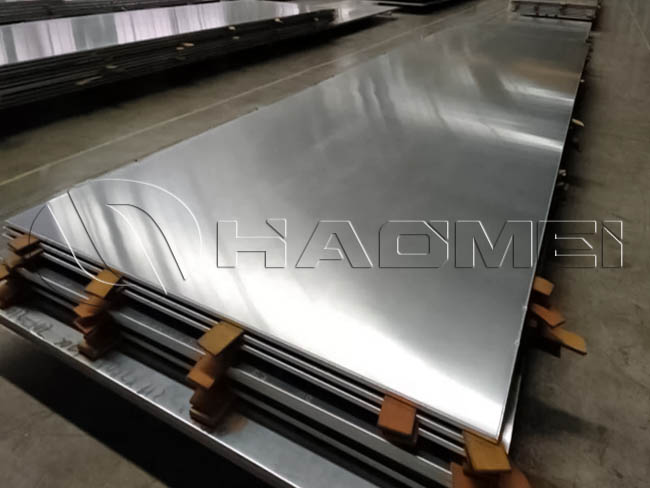
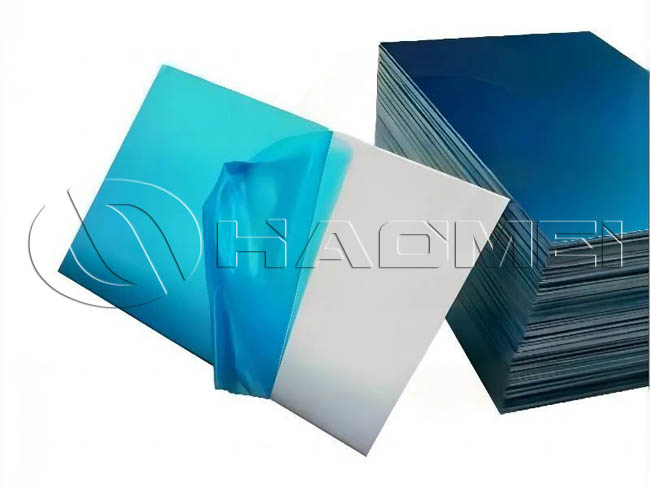
1100 aluminum sheet belongs to the 1xxx series of industrial pure aluminum alloys. With an aluminum content of no less than 99.0%, it is one of the most widely used high-purity aluminum materials currently available. This alloy is known for its excellent corrosion resistance, formability, weldability, thermal conductivity, and electrical conductivity.
It is especially suitable for applications that do not require high strength but demand high ductility, stable performance, and reliable processing properties.
1100 aluminum sheet offers good surface quality and strong adaptability to fabrication processes. It is commonly used in chemical equipment, food packaging, architectural decoration, electrical products, and heat-dissipation applications. It is a basic aluminum sheet material that combines cost efficiency with practical performance.
HAOMEI Aluminum produces extra-wide 1100 aluminum sheets with widths of up to 3,800 mm and thicknesses of up to 250 mm. Standard products are available in widths of up to 2,650 mm and thicknesses starting from 0.2 mm, meeting a wide range of custom and bulk-order requirements.
Tempers of 1100 Aluminum Alloy Sheet
O Temper (Annealed)
This is the softest condition, offering the best ductility and the lowest strength. It is suitable for complex forming operations such as deep drawing and spinning.
H1x Temper (Strain Hardened)
Strength is increased through cold working or cold rolling. Higher numbers, such as H14 and H18, indicate greater hardness and strength but reduced ductility. H14 is a commonly used temper that provides a good balance between processing performance and strength.
H2x Temper (Partially Annealed)
After cold working, the material undergoes partial annealing. Its properties fall between O temper and H1x tempers, providing a balance of strength and formability.
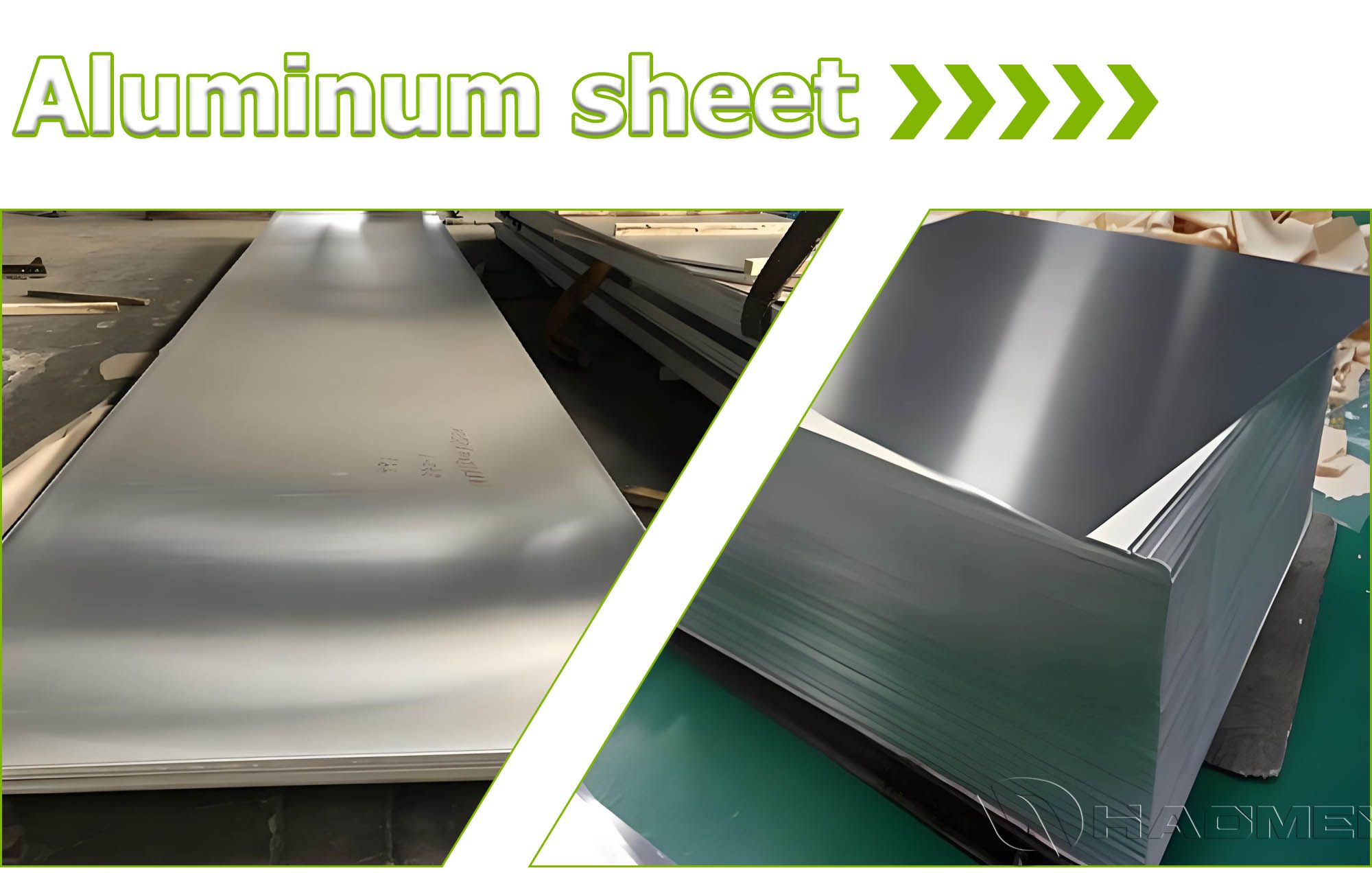
Key Advantages of 1100 Aluminum Sheet
Excellent Formability: The high-purity aluminum structure provides exceptional ductility and plasticity. It is an ideal material for stamping, spinning, and deep-drawing processes.
Excellent Corrosion Resistance: 1100 aluminum sheet has strong resistance to atmospheric and water corrosion. It also performs reliably in many chemical media.
High Thermal and Electrical Conductivity: Although its conductivity is slightly lower than that of 1070 aluminum, it is still significantly higher than that of ordinary steel and stainless steel. It is frequently used for heat exchangers and conductive components.
Excellent Weldability: 1100 aluminum can be easily welded using nearly all common welding methods, including brazing, fusion welding, and resistance welding. It has a low tendency for welding cracks and produces stable weld seams.
Superior Surface Appearance: Its flat, smooth surface is highly suitable for anodizing, coating, polishing, and other finishing processes, providing excellent decorative results.
1100 Aluminum Sheet Specifications
| Alloy | 1100, A1100 |
| Temper | O, H14, H18, etc. |
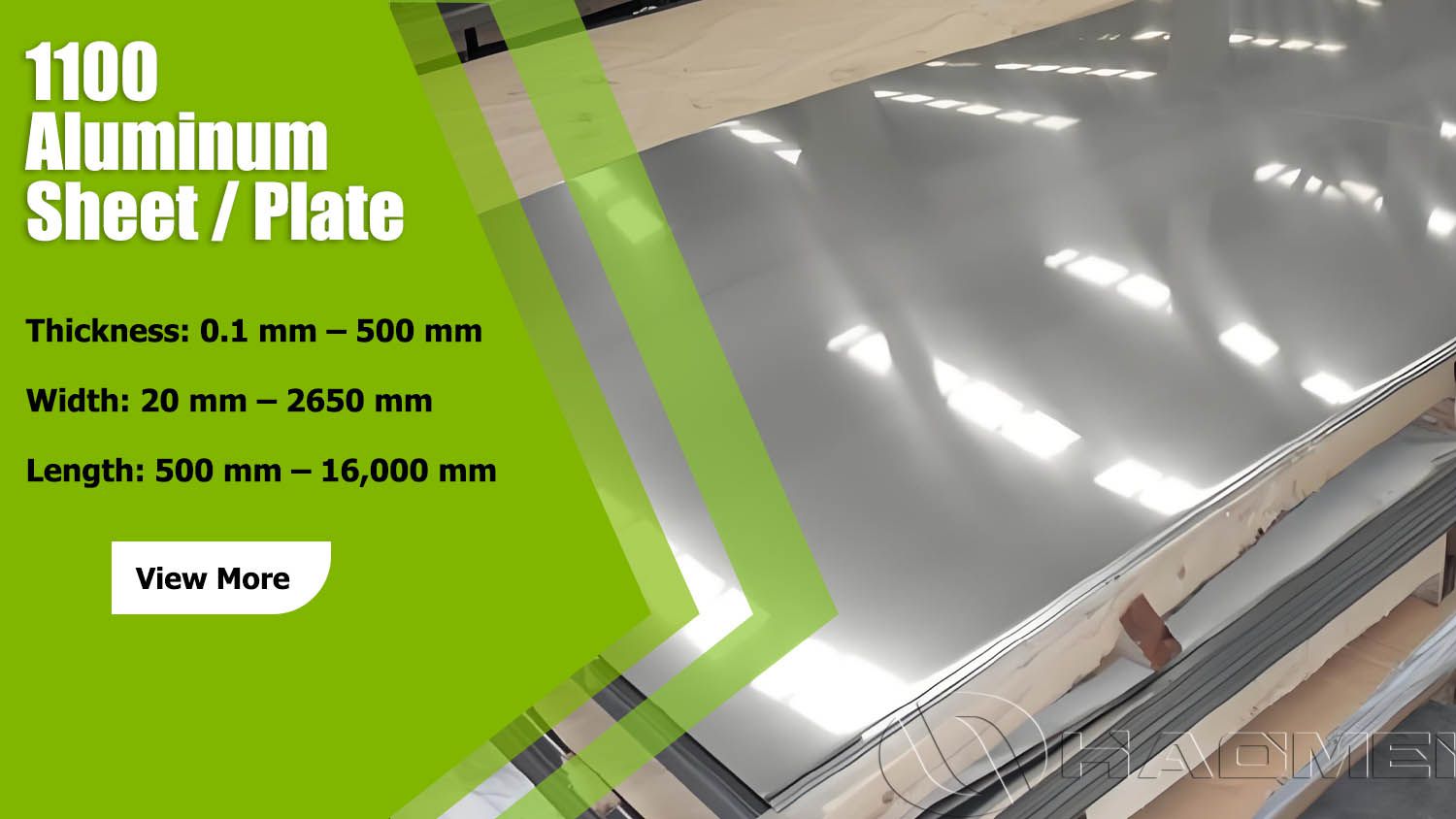
| Thickness | 0.1–500 mm |
| Width | 20–2650 mm; extra-wide sheets are available |
| Length | 500–16,000 mm |
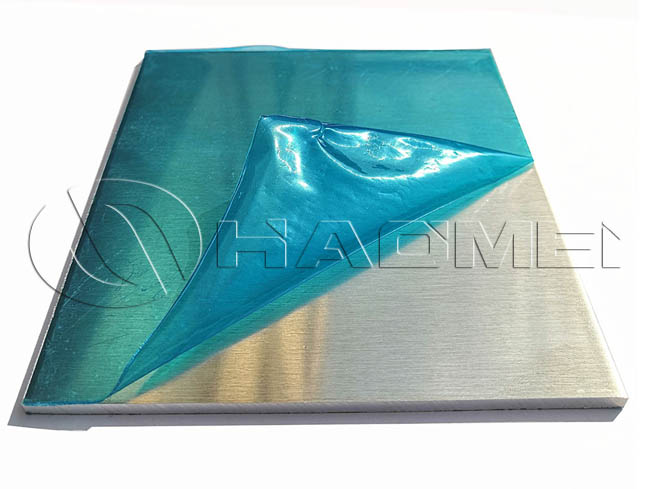
| Protective film | Black-and-white film, blue protective film, transparent film; film thickness: 50 μm or 80 μm |
| Surface finish | Mill finish, polished, brushed, hairline, sandblasted, checker pattern, embossed, etched, etc. |
| Packaging | Protective film, kraft paper, waterproof wrapping, wooden pallets, wooden cases, steel frames, shrink film, fumigation-free packaging, customized labels, and more |
| MOQ | 1–3 tons |
Physical Properties
| Property | Value |
| Density | 2.71 g/cm³ |
| Melting Point | Approx. 643–657°C |
| Thermal Conductivity | 222 W/(m·K) |
| Electrical Conductivity | Approx. 59–60% IACS |
| Specific Heat Capacity | 0.90 J/(g·K) |
| Linear Thermal Expansion Coefficient (20–100°C) | 23.6 × 10⁻⁶ /K |
Mechanical Properties
| Alloy & Temper | Sheet Thickness (in.) | Tensile Strength (ksi) | Yield Strength (ksi, min.) | Elongation in 2 in. (%) |
| 1100-O | 0.064 | 11–15.5 | 3.5 | 30 |
| 1100-H12 | 0.064 | 14-19 | 11 | 8 |
| 1100-H14 | 0.064 | 16-21 | 14 | 5 |
| 1100-H16 | 0.064 | 19-24 | 17 | 4 |
| 1100-H18 | 0.064 | ≥22 | - | 4 |
Chemical Composition (%)
| Element | Si+Fe | Cu | Mn | Zn | Other Elements | Al |
| 1100 | ≤0.95 | 0.05-0.20 | ≤0.05 | ≤0.10 | ≤0.15 | ≥99.00 |
Applications of 1100 Aluminum Alloy Sheet
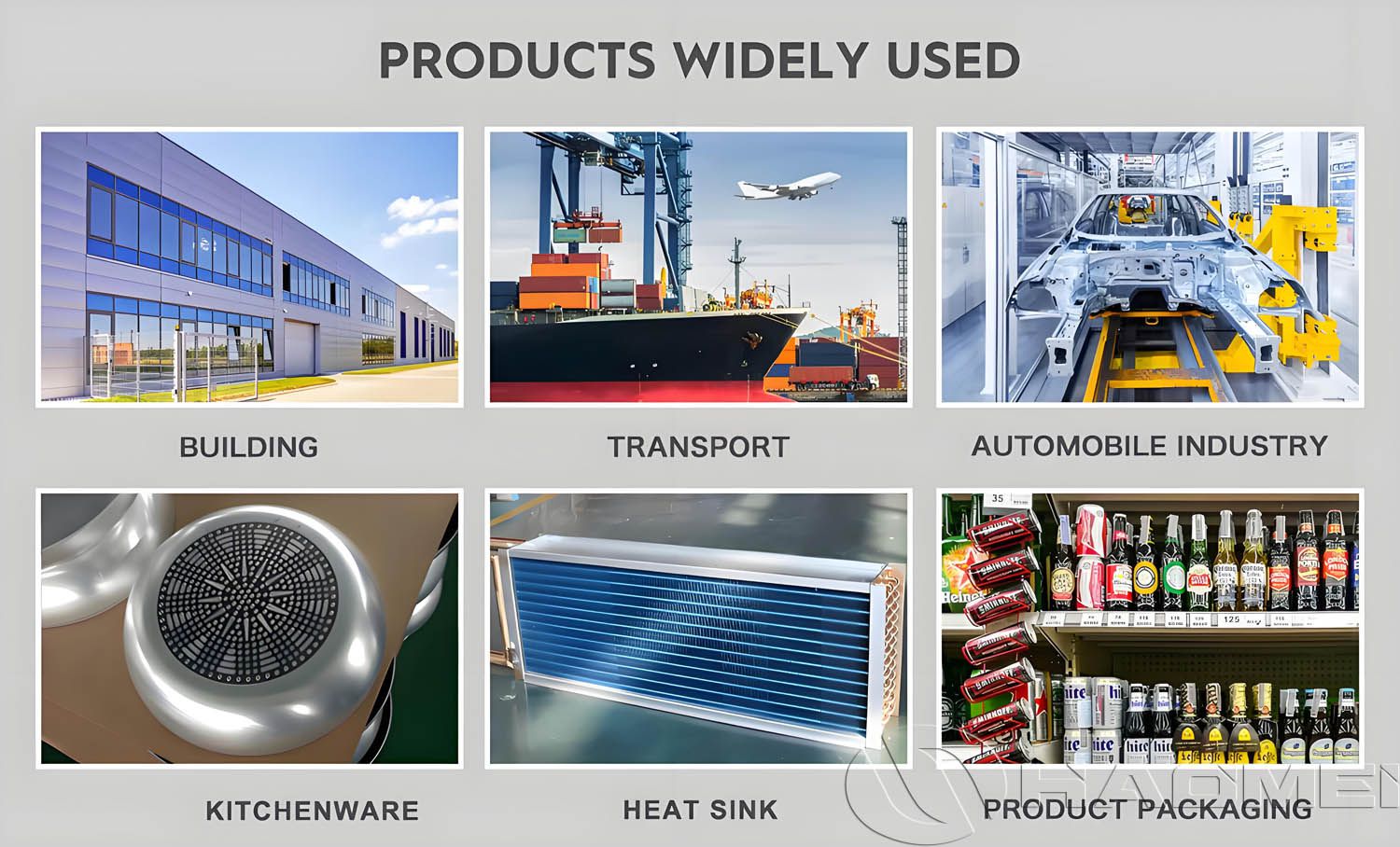
Cookware and Daily Necessities: Pots, kettles, tableware, and other household items benefit from its fast heat transfer, corrosion resistance, and safety.
Chemical and Food Industries: Storage tanks, containers, and pipe linings use 1100 aluminum because of its excellent corrosion resistance, which helps maintain media purity and prolong equipment service life.
Construction and Decoration: Curtain wall panels, interior decorative panels, nameplates, and trim strips. Its good weather resistance and excellent anodizing response allow a wide range of colors and textures.
Transportation: Bus doors, such as patented 1100-H24 aluminum alloy bus door panels, interior panels, engine hoods, and related components.
Electrical and Heat Dissipation Applications: Busbars, transformer components, heat-sink fins, and heat-exchanger fins benefit from its good electrical and thermal conductivity.
Packaging and Hardware: Bottle caps, deep-drawn containers, spun parts, reflective panels, and similar products take advantage of its excellent formability.
Other Names for 1100 Aluminum Alloy Sheet
1100 Aluminum Alloy Sheet
1100 Aluminum Plate
A91100 Aluminum Sheet
1100 H14 Aluminum Sheet
1100 H24 Aluminum Sheet
ASME SB209 Aluminum 1100 Plain Sheet
1100 O Temper Aluminum Sheet
1100 Hot-Rolled Aluminum Sheet
Aluminum 1100 Industrial Sheet
1100 H22 Cold-Rolled Aluminum Sheet
1100 Aluminum Cold-Forming Sheet
Aluminum Sheet 1100
Comparison: 1100 vs. 1070 Aluminum Sheet
| Comparison Item | 1100 Aluminum Sheet | 1070 Aluminum Sheet |
| Aluminum Content | ≥99.0% | ≥99.7% |
| Core Characteristics | Balanced overall performance. Electrical and thermal conductivity are slightly lower than 1070, while processing performance, anodizing results, and strength are generally better. | Higher purity. Electrical and thermal conductivity, approximately 61% IACS, are among the highest of all aluminum alloys. It also has excellent ductility. |
| Typical Applications | Suitable for applications requiring electrical/thermal conductivity and corrosion resistance, while also demanding good formability and surface treatment performance. Examples include premium cookware, curtain walls, chemical containers, and bus doors. | Suitable for applications with extremely demanding conductivity and heat-transfer requirements, such as high-voltage capacitor foil, high-quality reflectors, specialty wires, and chemical equipment requiring high purity. |
| Material Selection Focus | Best for balanced cost performance and good processability, especially for complex forming or anodizing applications. | Best for maximum purity and optimal electrical/thermal conductivity, where fabrication requirements are relatively simple. |
FAQ
Q1:What Is 1100 H14 Aluminum?
A1:1100 H14 aluminum is commercially pure aluminum with a minimum purity of 99.00%. It provides excellent corrosion resistance, workability, weldability, and high thermal conductivity.
Q2:Can 1100 Aluminum Sheet Be Bent?
A2:Yes. 1100 aluminum sheet has excellent formability and can be bent easily without cracking or breaking when appropriate bending practices are used.
Q3:What Is the Softest Grade of Industrial Aluminum?
A3:1100 aluminum is one of the softest and most formable grades of aluminum used for industrial applications. It is soft, ductile, and easy to process, making it highly suitable for demanding forming operations. Its excellent formability makes it an ideal choice for precision and complex applications, including electrical conductors and heat shields.