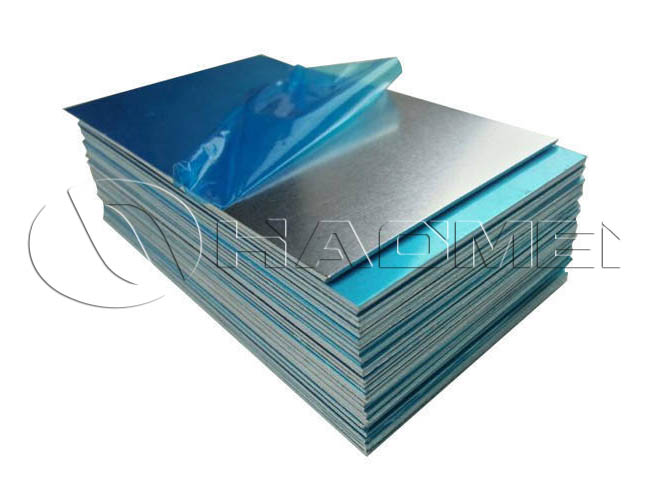
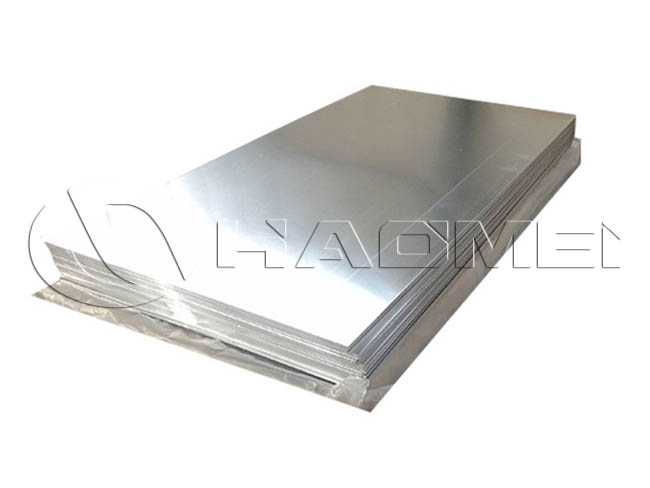
Introduction to 6061 Aluminum Sheet
6061 aluminum sheet is one of the most widely used forms of aluminum alloy. Developed by Alcoa in 1935, it is a medium-strength alloy highly valued for its good corrosion resistance, excellent weldability, and oxidation resistance.
As a member of the 6000 series aluminum alloys, 6061 is an Al-Mg-Si alloy with good mechanical properties and outstanding weldability. It is commonly used in mold manufacturing, aerospace, automotive, structural applications, marine components, and general industrial applications.
Common tempers include:
6061-O
6061-T4
6061-T6
6061-T651
6061-T42
Chemical Composition of 6061 Aluminum Alloy
| Grade | Al | Mg | Si | Fe | Mn | Cu | Ti | Cr | Zn |
| 6061 | 97.9% | 0.6–1.2% | 0.4–0.8% | 0.7–1.2% | 0.15% | 0.15–0.4% | 0.15% | 0.04–0.35% | 0.25% |
6061 aluminum sheet is produced in strict accordance with the GB/T 3190-2020 Chinese national standard and can also meet international standards such as ASTM and EN. Its controlled chemical composition and low impurity content ensure consistent and stable product performance.
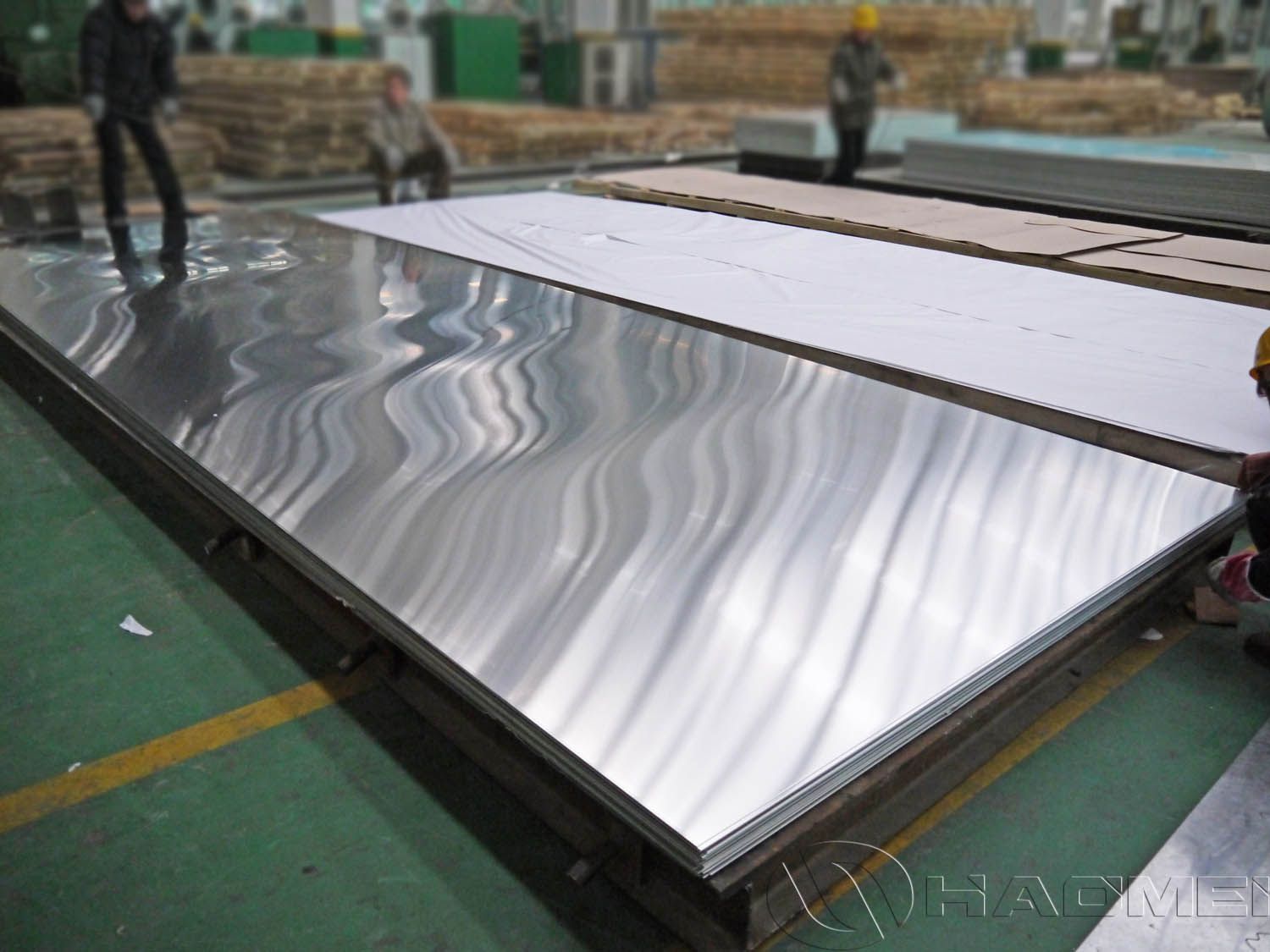
6061 Aluminum Plate Specifications
| Item | Specification |
| Alloy | 6061 |
| Series | 6000 Series Aluminum-Magnesium-Silicon Alloy |
| Tempers | O, T4, T6, T651, etc. |
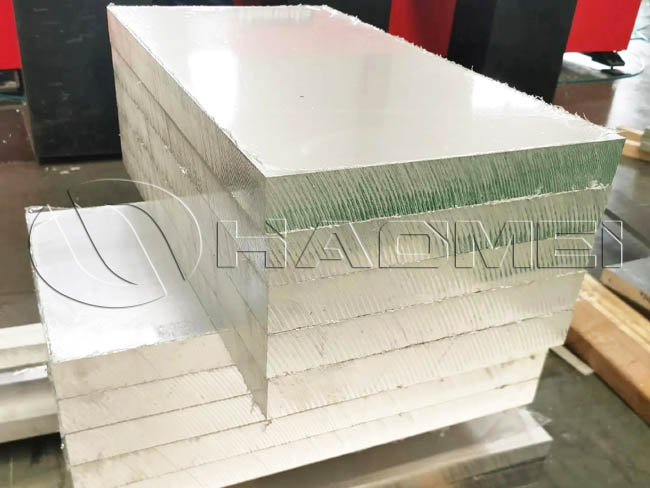
| Thickness | 0.5–150 mm |
| Width | 100–2,600 mm |
| Length | 1,000–12,000 mm; customizable |
| Standard Sizes | 4' × 8'; 1219 × 2438 mm; 1250 × 2500 mm; 1500 × 3000 mm |
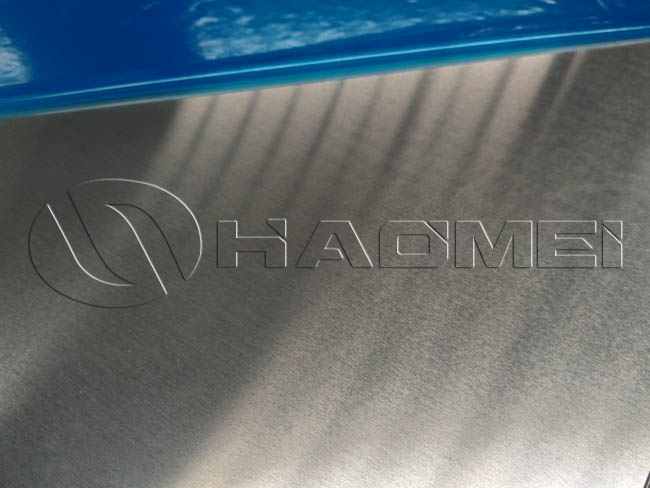
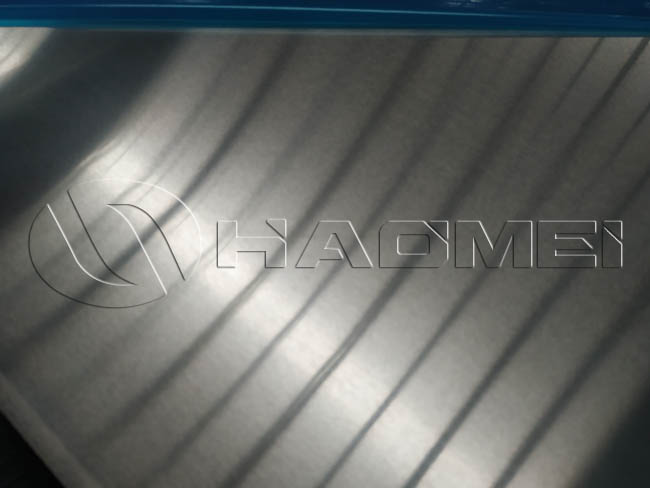
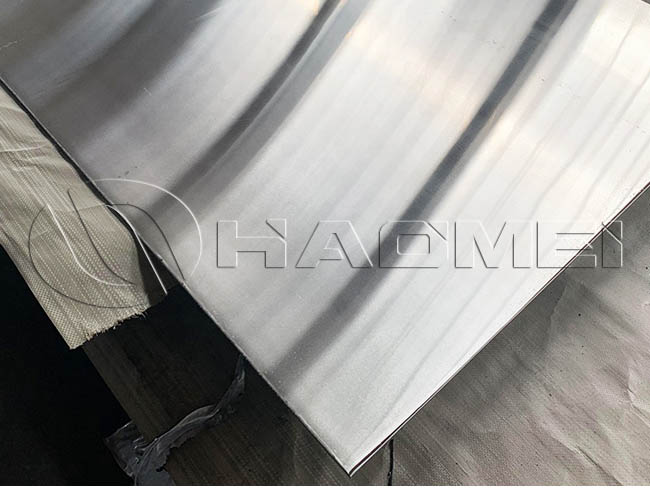
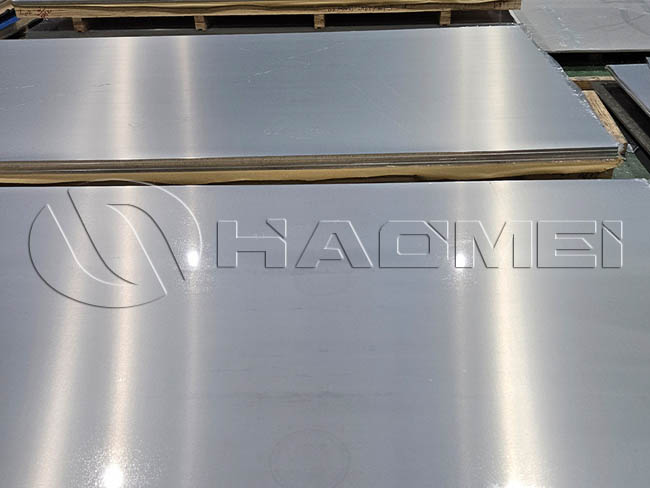
| Surface Finish | Mill finish, anodized, polished; optional |
| OEM Services | Punching, custom-size cutting, flatness control, surface treatment, etc. |
| Standards | ASTM B209, EN AW-6061, GB/T 3880 |
| Applications | Construction, shipbuilding, decoration, industry, manufacturing, machinery, hardware, etc. |
| Samples | Free samples available |
| Packaging | Standard export packaging with bundled wooden cases, suitable for various transport methods; customized packaging available |
| MOQ | 1–3 tons |
Mechanical Properties
| Temper | Tensile Strength (MPa) | Yield Strength (MPa) | Elongation (%) |
| O | ≥125 | ≥55 | ≥25 |
| T4 | ≥240 | ≥110 | ≥10 |
T6
| ≥290 | ≥24 | ≥10 |
| T651 | ≥310 | ≥260 | ≥8
|
Physical Properties
| Property | Value |
| Density | 2.70 g/cm³ |
| Elastic Modulus | 68.9 GPa |
| Hardness, Brinell | Approx. 95 HB (T6) |
| Thermal Conductivity | Approx. 167 W/(m·K) |
| Melting Point | Approx. 582–652°C |
Key Advantages of 6061 Aluminum Sheet
Lightweight and High Strength
6061 aluminum sheet has a density of approximately 2.7 g/cm³, about one-third that of steel. In T6 temper, its tensile strength can exceed 290 MPa, making it an ideal material for lightweight structural design.
Good Corrosion Resistance
Its surface naturally forms a dense oxide film, providing stable corrosion resistance in marine and industrial environments.
Excellent Surface Treatment Compatibility
6061 is an excellent substrate for anodizing, including standard anodizing and hard anodizing, as well as painting and electroplating. After anodizing, it provides uniform coloring, bright appearance, and an excellent surface finish.
Good Weldability
It supports gas welding, arc welding, TIG welding, and resistance welding. Although strength in the heat-affected zone may decrease after welding, 6061 offers strong crack resistance compared with many high-strength aluminum alloys.
Excellent Machining and Cutting Performance
Whether turning, milling, boring, or planing, 6061 in T6 or T651 temper produces easily broken chips, high surface finish quality, and relatively low tool wear.
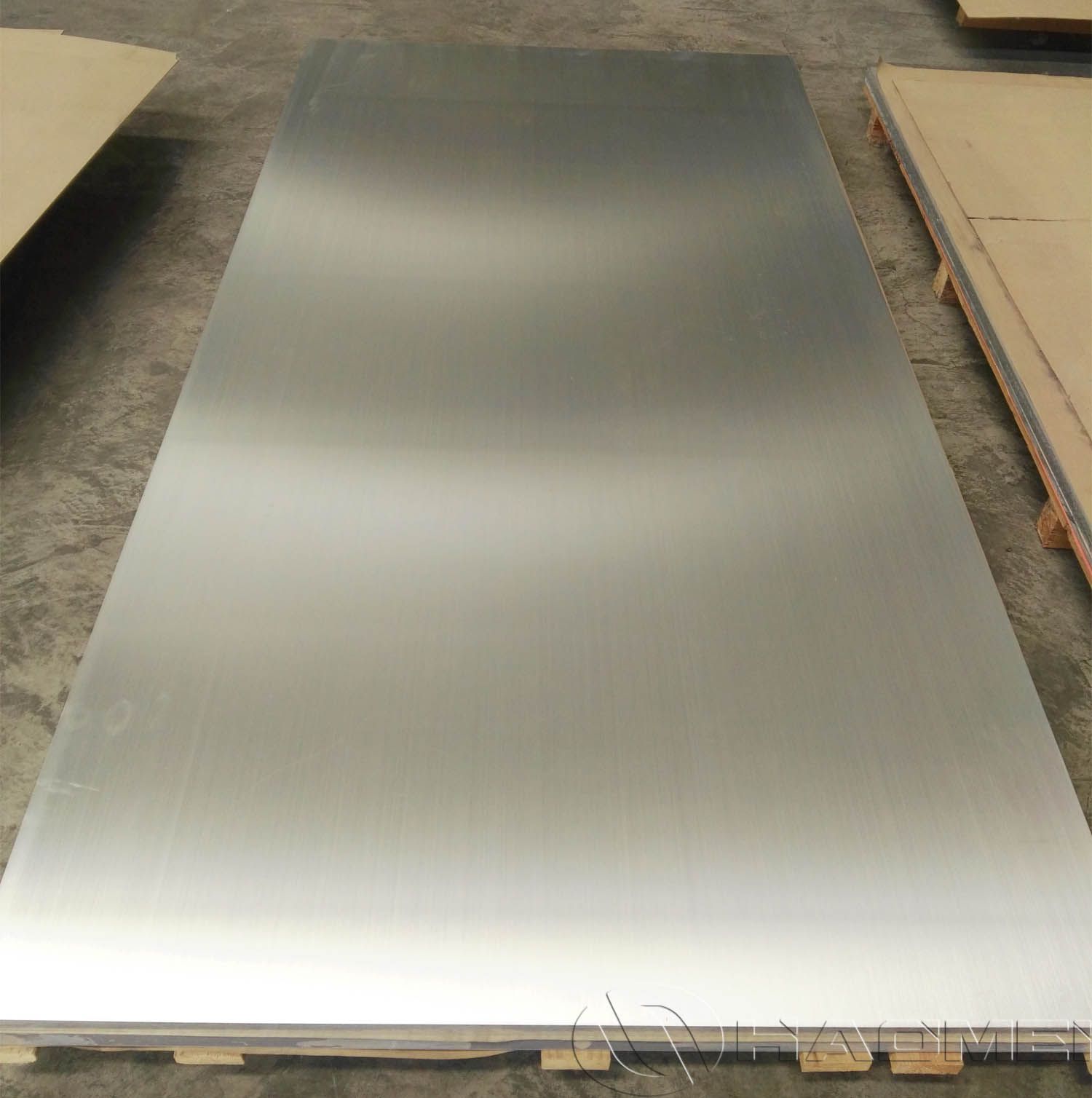
Common Tempers of 6061 Aluminum Sheet
| Temper | Characteristics | Typical Applications |
| O, Annealed | High toughness, low strength, easy to form | Deep drawing, bending, and complex formed parts |
| T4, Naturally Aged | Good ductility and toughness | Welded parts and medium-strength structural components |
| T6, Artificially Aged | High strength and rigidity | Load-bearing structural components and precision molds |
| T651, Stress-Relieved by Stretching | Reduced internal stress and excellent dimensional stability | Precision machining and high-accuracy equipment components |
6061 Aluminum Plate Manufacturing Process
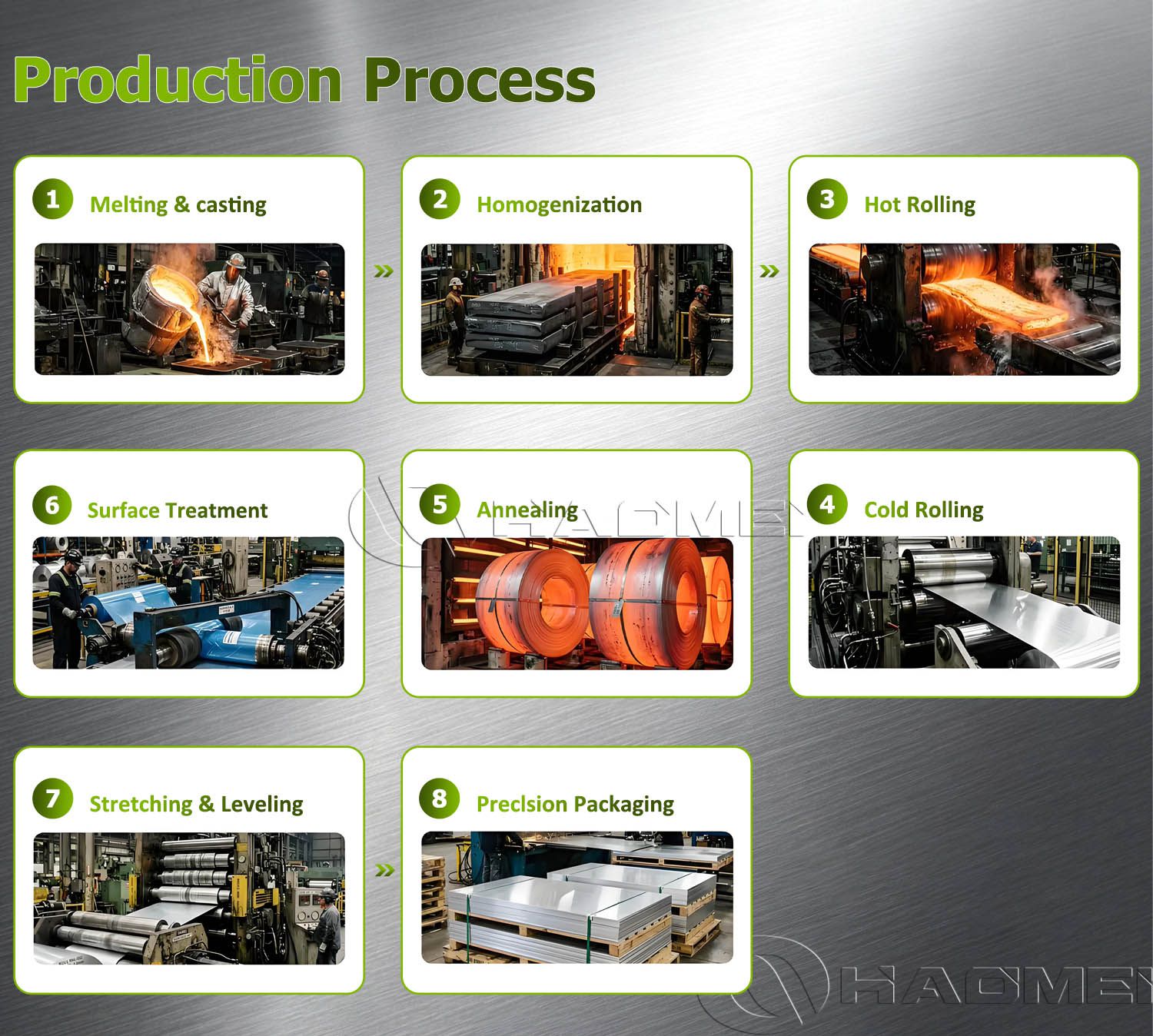
6061 aluminum sheet is manufactured through a complete process of hot rolling, cold rolling, heat treatment, and finishing. Advanced rolling equipment and intelligent production lines are used to ensure quality control throughout the production process.
Melting and Casting
High-purity aluminum ingots and accurately controlled alloying elements are melted, refined, and purified to ensure a uniform chemical composition.
Hot Rolling
High-temperature rolling optimizes the internal structure of the material and improves toughness and workability.
Cold Rolling
Thickness tolerances are precisely controlled while ensuring a smooth and clean surface finish.
Heat Treatment
Solution heat treatment and aging treatment are performed with precisely controlled temperature and time to enhance mechanical properties.
Pre-Stretching for T651
Pre-stretching relieves internal stress and ensures excellent dimensional stability during machining.
Finishing
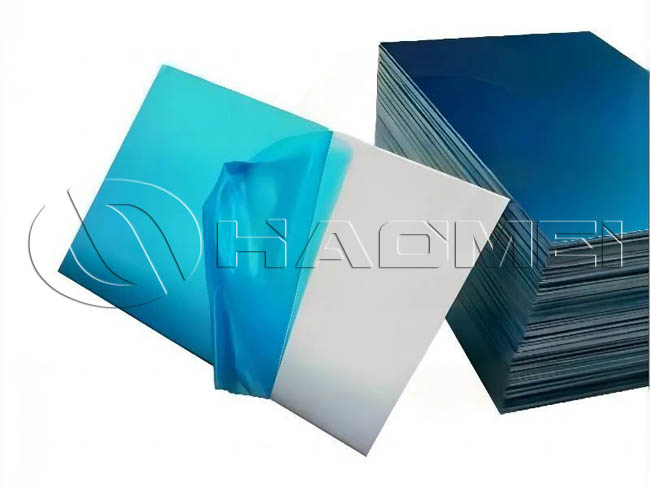
Cutting, film lamination, surface treatment, and other customized processing services are available for final delivery.
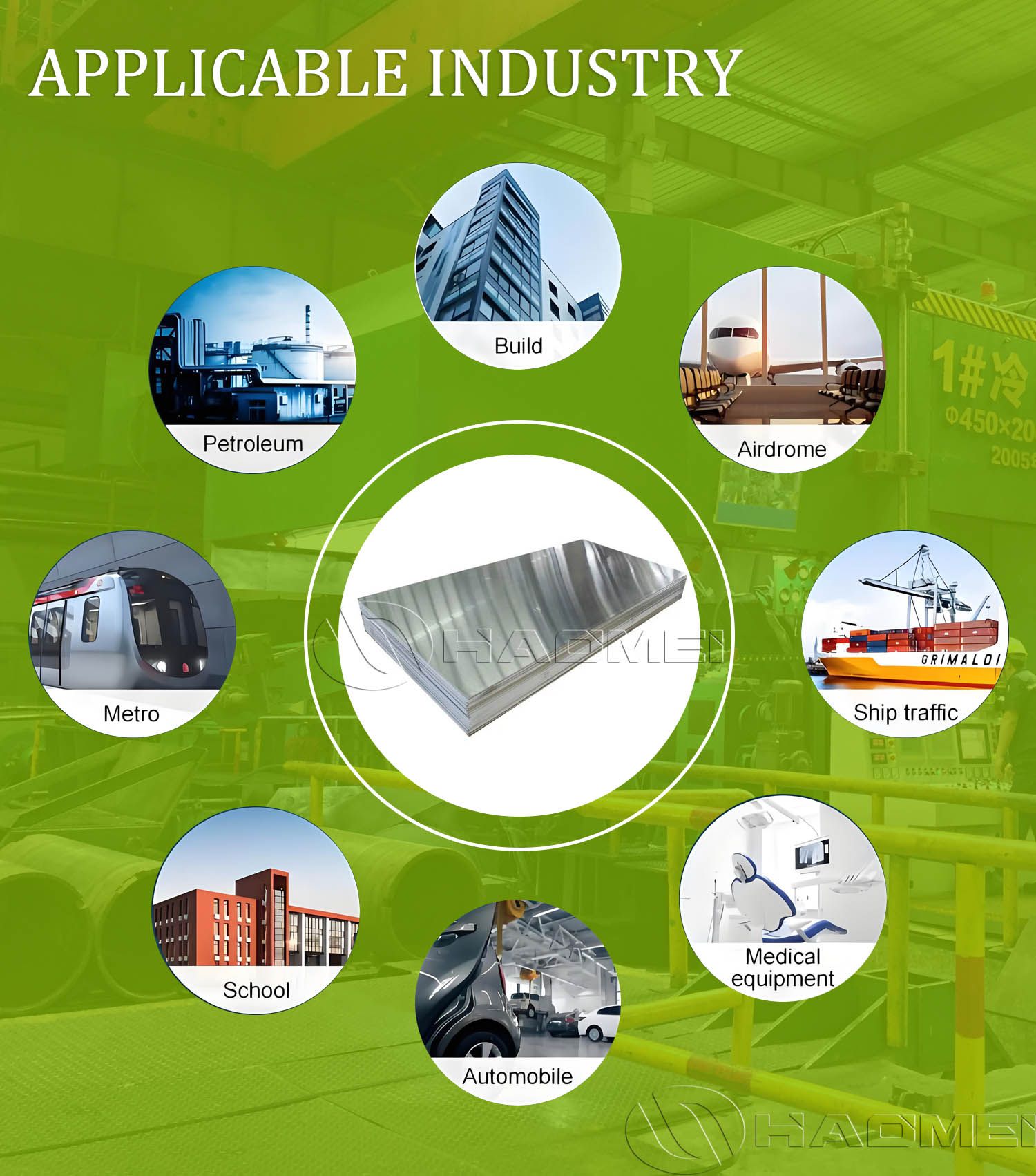
Applications of 6061 Aluminum Plate
Aerospace: Aircraft structural components, skins, brackets, and fittings.
Automotive Manufacturing: Vehicle body components, chassis parts, wheels, and structural parts.
Rail Transportation: Train bodies, interior components, and support structures.
Marine Industry: Hull components, decks, and marine equipment.
Machinery Manufacturing: Mechanical parts, fixtures, molds, and machined components.
Architectural Decoration: Curtain walls, door and window profiles, and decorative panels.
Electronics and Electrical Equipment: Housings, heat sinks, and equipment panels.
Sports Equipment: Bicycle frames, climbing equipment, and fitness equipment.
FAQ
1. What is the difference between 6061-T6 and 6061-T651 aluminum plate?
T6 is a standard heat-treated temper. T651 is based on T6 but includes an additional stress-relief treatment through stretching.
6061-T651 is more suitable for CNC machining because it has lower internal stress, is less likely to deform during processing, and offers better dimensional stability.
2. Can 6061 aluminum plate be welded?
Yes. 6061 aluminum plate has good weldability and is suitable for TIG and MIG welding. However, strength may decrease after welding, and heat treatment may be required to restore performance when necessary.
3. Can 6061 aluminum plate be anodized?
Yes. 6061 aluminum plate is suitable for anodizing. Anodizing improves surface hardness, wear resistance, and corrosion resistance while also providing a good decorative finish.
4. What is the difference between 6061 and 5052 aluminum plate?
6061 aluminum plate has higher strength and can be strengthened by heat treatment, making it suitable for structural parts and machined components.
5052 aluminum plate has better corrosion resistance and bending performance and is commonly used for sheet-metal fabrication, marine applications, enclosures, and similar products.
5. Can 6061 aluminum plate be cut and machined?
Yes. 6061 aluminum plate is suitable for sawing, laser cutting, waterjet cutting, CNC machining, drilling, milling, and many other fabrication methods.
6. What information is needed when purchasing 6061 aluminum plate?
Typically, please provide the following information:
Alloy grade
Temper
Thickness
Width
Length
Quantity
Surface requirements
Processing requirements
Delivery requirements