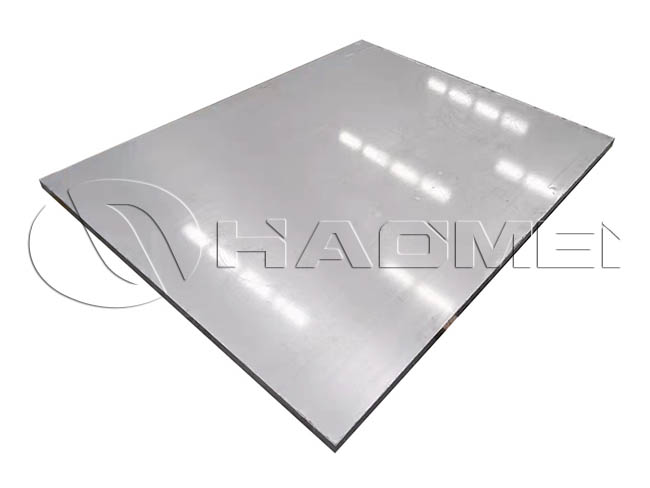
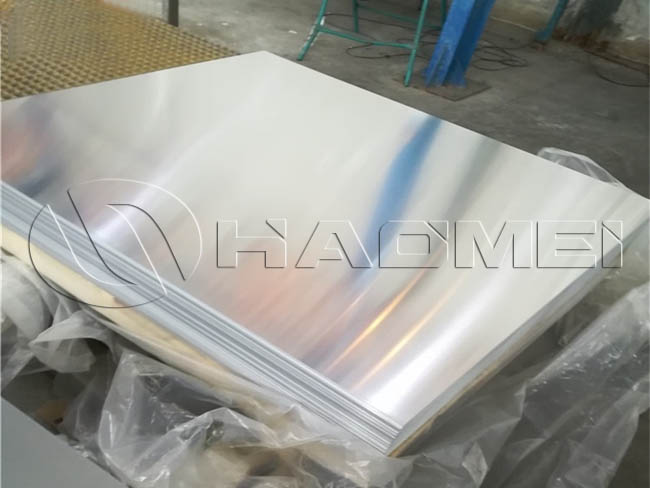
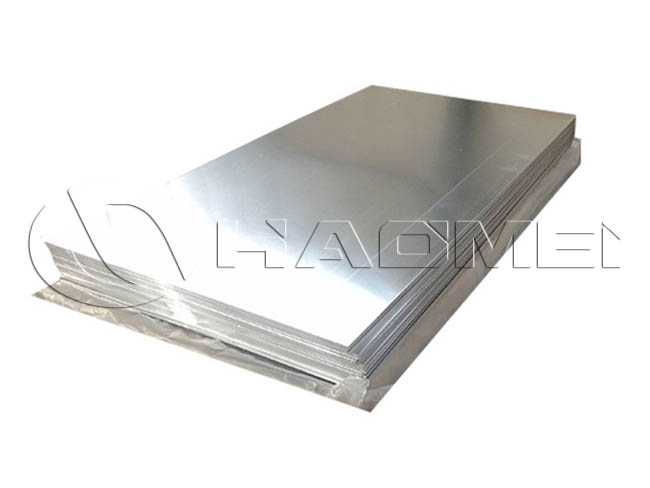
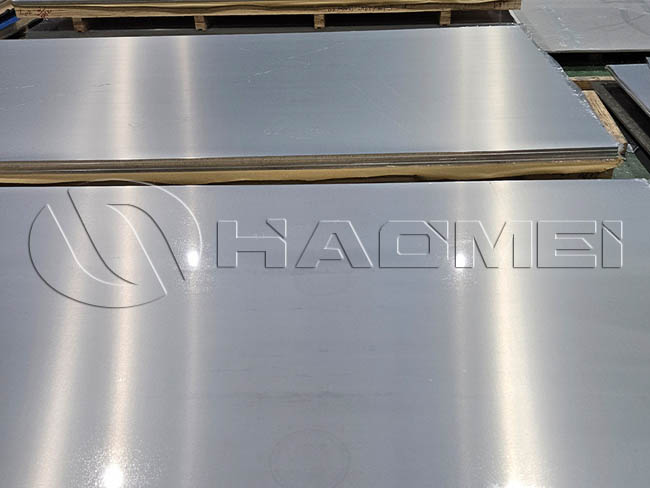
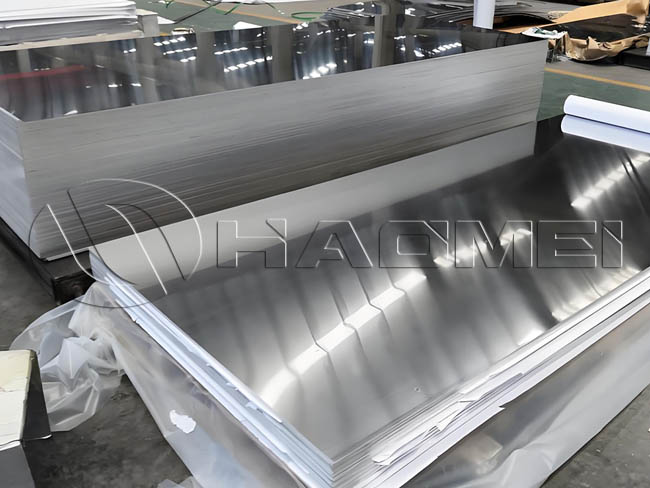
5086 aluminum plate belongs to the Al-Mg (5000 series) anti-rust aluminum alloy family. It is a non-heat-treatable aluminum alloy and an essential industrial material that combines medium strength, excellent corrosion resistance, and outstanding weldability.
Thanks to its unique performance balance, 5086 aluminum plate is widely used in demanding environments such as shipbuilding, transportation, and chemical processing. It is an ideal material for applications requiring lightweight structures and long-term corrosion protection.
Compared with 5052 and 5083 aluminum plates in the same alloy series, 5086 aluminum plate achieves an excellent balance between strength and corrosion resistance, making it an indispensable high-performance metal material for modern industry.
Chemical Composition of 5086 Aluminum Alloy (%)
The primary strengthening element in 5086 aluminum alloy is magnesium (Mg). Small amounts of manganese (Mn), chromium (Cr), and other elements are added to improve corrosion resistance and microstructural stability.
| Alloy | Al | Si | Cu | Mg | Zn | Mn | Ti | Cr | Fe |
| 5086 | Remainder | ≤0.40 | ≤0.10 | 3.5–4.5 | ≤0.25 | 0.20–0.70 | ≤0.15 | 0.05–0.25 | ≤0.50 |
5086 Aluminum Sheet Tempers
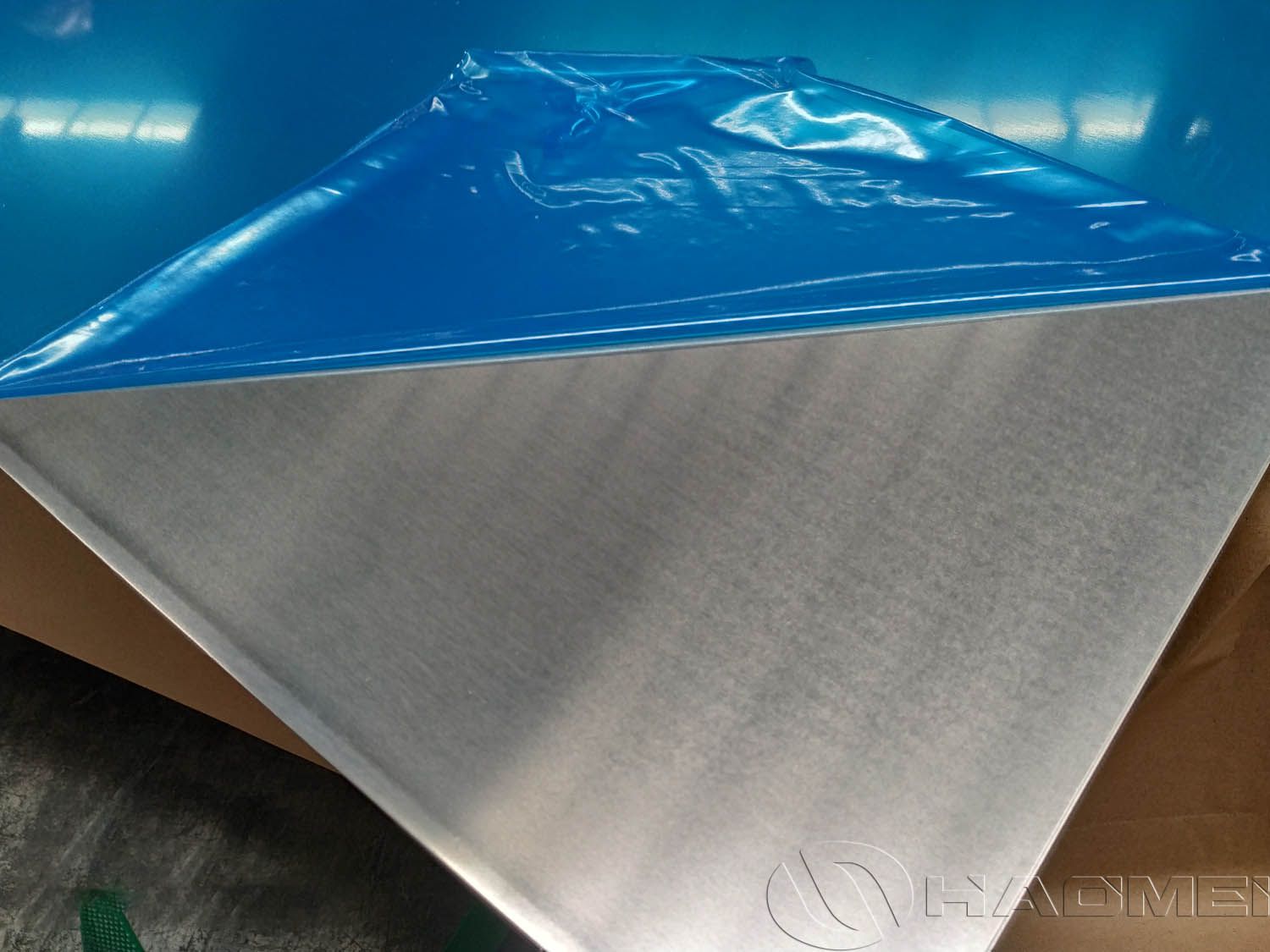
5086 aluminum plate is available in multiple tempers to meet the requirements of different applications. Common tempers include O, H111, H112, H116, and H321.
| Temper | Meaning | Features | Typical Applications |
| O | Annealed / soft temper | Lowest strength, best ductility and formability; easy to bend, stretch, and stamp | Deep processing, formed parts, bent components |
| H111 | Slightly strain-hardened | Slightly stronger than O temper while retaining good ductility and formability | Marine plate, vehicle plate, general structural components |
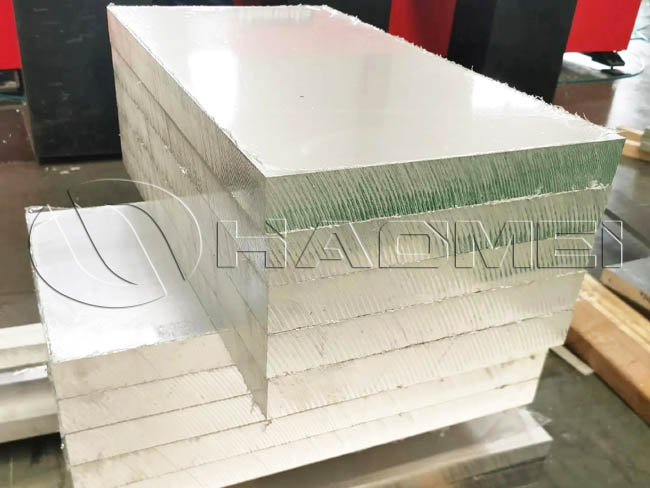
| H112 | Naturally stabilized after hot working/forming | Generally used for thicker plates; moderate strength and good dimensional stability | Thick plate, welded structures, pressure vessel components |
| H32 | Strain hardened and stabilized, quarter-hard | Higher strength than O/H111 with good ductility | Hull structures, welded parts, storage tanks |
| H34 | Strain hardened and stabilized, half-hard | Higher strength than H32 but lower ductility | Load-bearing structures, vehicle and ship components |
| H116 | Marine corrosion-resistant temper | Higher requirements for exfoliation corrosion and intergranular corrosion resistance | Ships, offshore equipment, seawater-exposed structures |
| H321 | Strain-hardened and stabilized marine temper | Combines strength, weldability, and seawater corrosion resistance; often meets classification society requirements | Marine plates, offshore engineering, LNG and storage tank structures |
Quality Standards and Certifications
5086 aluminum plate generally complies with the following standards:
Standard / Certification | Description |
| ASTM B209 | Standard specification for aluminum and aluminum-alloy sheet and plate |
| GB/T 3190-2008 | Chinese standard for aluminum alloy sheet and plate |
| EN AW-5086 | European aluminum alloy standard |
| ISO 9001 | Quality management system certification |
Key Advantages of 5086 Aluminum Plate
1. Exceptional Corrosion Resistance
5086 aluminum plate has superior corrosion resistance in marine environments compared with most aluminum alloys. It provides strong resistance to seawater, salt spray, and industrial atmospheres. Therefore, it is widely used for hull structures, decks, and offshore platforms.
2. Excellent Weldability
5086 aluminum alloy can be joined using a variety of welding processes, including MIG and TIG welding. It maintains a high percentage of its strength after welding and has a low tendency to crack, making it an ideal material for large welded structures.
3. Good Formability
In O temper or H32 temper, 5086 aluminum plate offers good cold-working properties and can undergo complex forming operations such as bending and stamping.
4. Medium-to-High Strength and Lightweight Benefits
Compared with pure aluminum, 5086 provides higher strength while retaining aluminum’s lightweight characteristics. It can effectively reduce structural weight and improve transport efficiency.
5. Cost-Effective
Compared with other high-performance aluminum alloys, 5086 aluminum plate is reasonably priced and offers excellent overall value.
6. Resistance to High and Low Temperatures
5086 aluminum plate maintains stable mechanical properties in the temperature range of –80°C to 150°C. It does not suffer from low-temperature brittleness, making it suitable for low-temperature storage tanks, refrigeration equipment, and other applications exposed to significant temperature differences.
5086 Aluminum Plate Technical Specifications
| Item | Specification |
| Alloy | 5086 |
| Temper | O, H32, H34, H116, H321, etc. |
| Thickness | 0.15–600 mm |
| Width | 20–2,650 mm |
| Length | 100–16,000 mm |
| Product Forms | Flat sheets, coils, tread plates |
| Surface Treatments | Brushed, polished, anodized |
| MOQ | 1–3 tons |
Physical Properties of 5086 Aluminum Sheet and Plate
| Physical Property | Value |
| Density | 2.66 g/cm³ |
| Melting Point | 640°C |
| Coefficient of Thermal Expansion | 24 × 10⁻⁶/K |
| Modulus of Elasticity | 68 GPa |
| Thermal Conductivity | 130 W/(m·K) |
| Electrical Conductivity | 31% IACS |
Mechanical Properties of 5086 Aluminum Sheet and Plate
| Temper | Tensile Strength (ksi) | Yield Strength (ksi) | Elongation (%) |
| O, Annealed | 14 | 14
| 16 |
H32
| 47 | 28 | 12 |
H112
| 35 | 14 | 14 |
H116
| 40
| 28 | 10 |
Applications of 5086 Aluminum Alloy Plate
Marine and Shipbuilding Engineering
5086 aluminum plate is used to manufacture naval decks, hull outer plates, ship sides, pump towers, and offshore drilling platforms. It is one of the preferred materials for aluminum high-speed vessels and speedboats.
Transportation Vehicles
It is used for liquefied-gas tank bodies, refrigerated truck bodies, automotive body panels, and fuel tanker cylinders. It effectively reduces vehicle weight and increases payload capacity.
Pressure Vessels and Cryogenic Equipment
5086 aluminum plate does not undergo brittle fracture in ultra-low-temperature environments. It is commonly used for oxygen generators, liquid nitrogen storage equipment, and pressure pipelines.
Precision Manufacturing
It is suitable for missile components, television towers, drilling equipment, and a variety of highly corrosion-resistant structural parts.
Other Industries
It can also be used in aerospace, machinery manufacturing, power equipment, and other industrial sectors.
Processing Performance of 5086 Aluminum Plate
Cutting
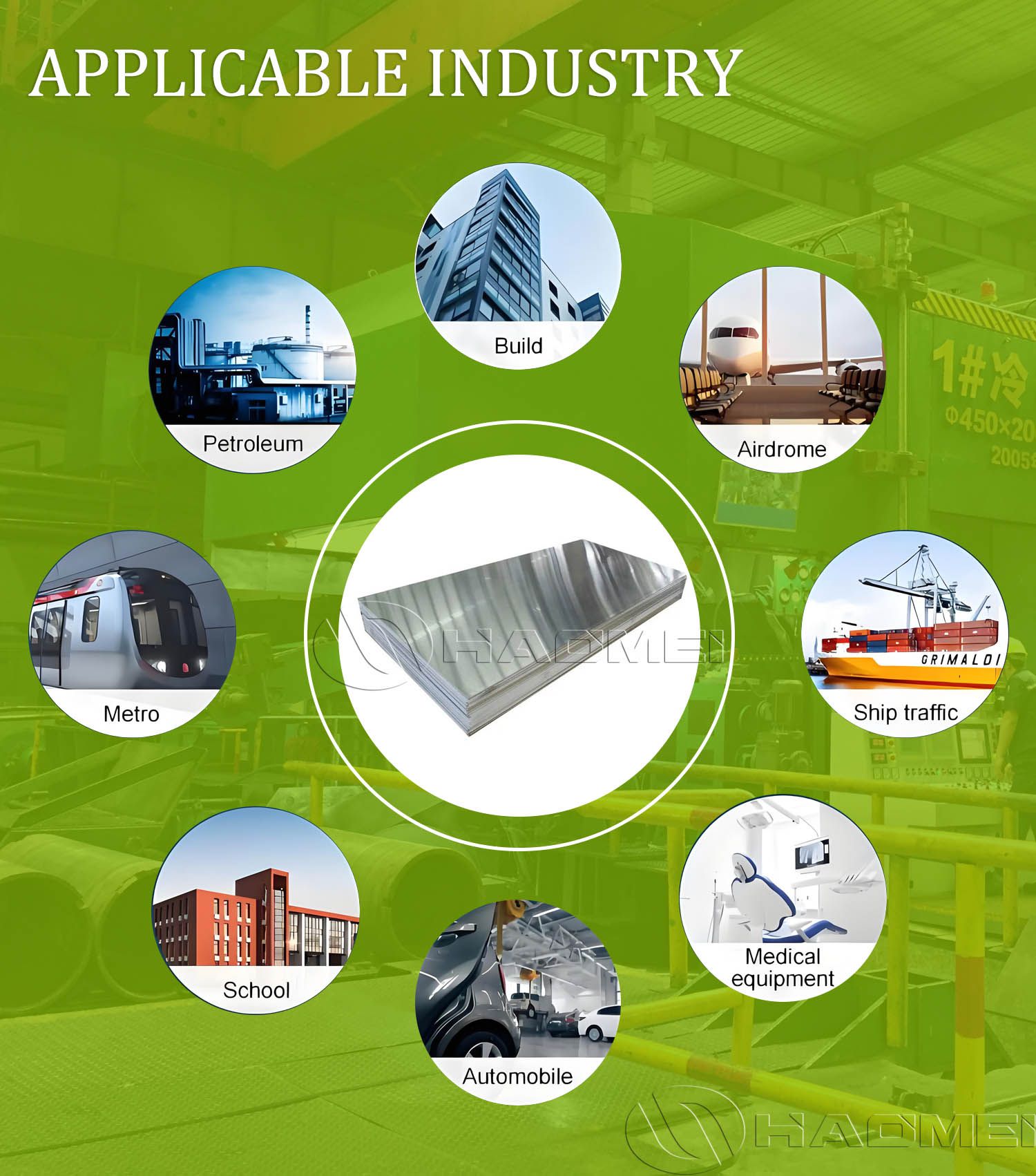
Laser cutting, plasma cutting, and other cutting methods can be used to achieve high cutting quality and smooth edges.
Welding
Manual arc welding and automated welding processes can be used. The weld quality is stable, and deformation is minimal.
Forming
5086 aluminum plate can be stamped, bent, and deep drawn, providing high shape accuracy.
Surface Finishing
Sandblasting, polishing, coating, and other decorative finishing processes can be applied to meet different application requirements.
Key Differences Between 5086 and 5083 Aluminum Sheet
Both 5086 and 5083 are high-magnesium, corrosion-resistant aluminum alloys in the 5000 series. Their properties are complementary, making them suitable for different applications.
| Comparison Item | 5086 Aluminum Sheet
| 5083 Aluminum Sheet |
| Magnesium Content | 3.5%-4.5% | 4.5%-5.5% |
| Strength | Medium; tensile strength 240–370 MPa | Higher; tensile strength 300–420 MPa |
| Ductility | Better; elongation 10%–22% | Slightly lower; elongation 6%–20% |
| Weldability | Lower hot-cracking sensitivity; suitable for complex welding | Slightly more demanding welding process control required |
| Typical Applications | Tanks, vehicle bodies, complex formed components | Ship decks, military armor, high-load structures |
Storage and Maintenance Recommendations
Store in a Dry and Well-Ventilated Area
Store 5086 aluminum plates in a dry, well-ventilated warehouse. Do not store them together with chemical materials or damp goods.
Moisture Protection
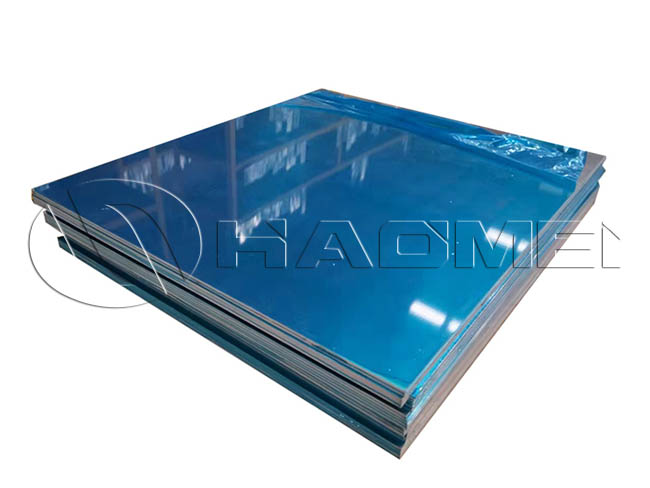
Because the surface can be sensitive to moisture, especially during seasons with large temperature variations, moisture-proof film is recommended to prevent surface oxidation.
Avoid Impact and Scratching
Aluminum plate is relatively soft. Avoid dragging it during loading and unloading to prevent scratches that may affect appearance and performance.
Packaging and Delivery Information
Packaging Methods
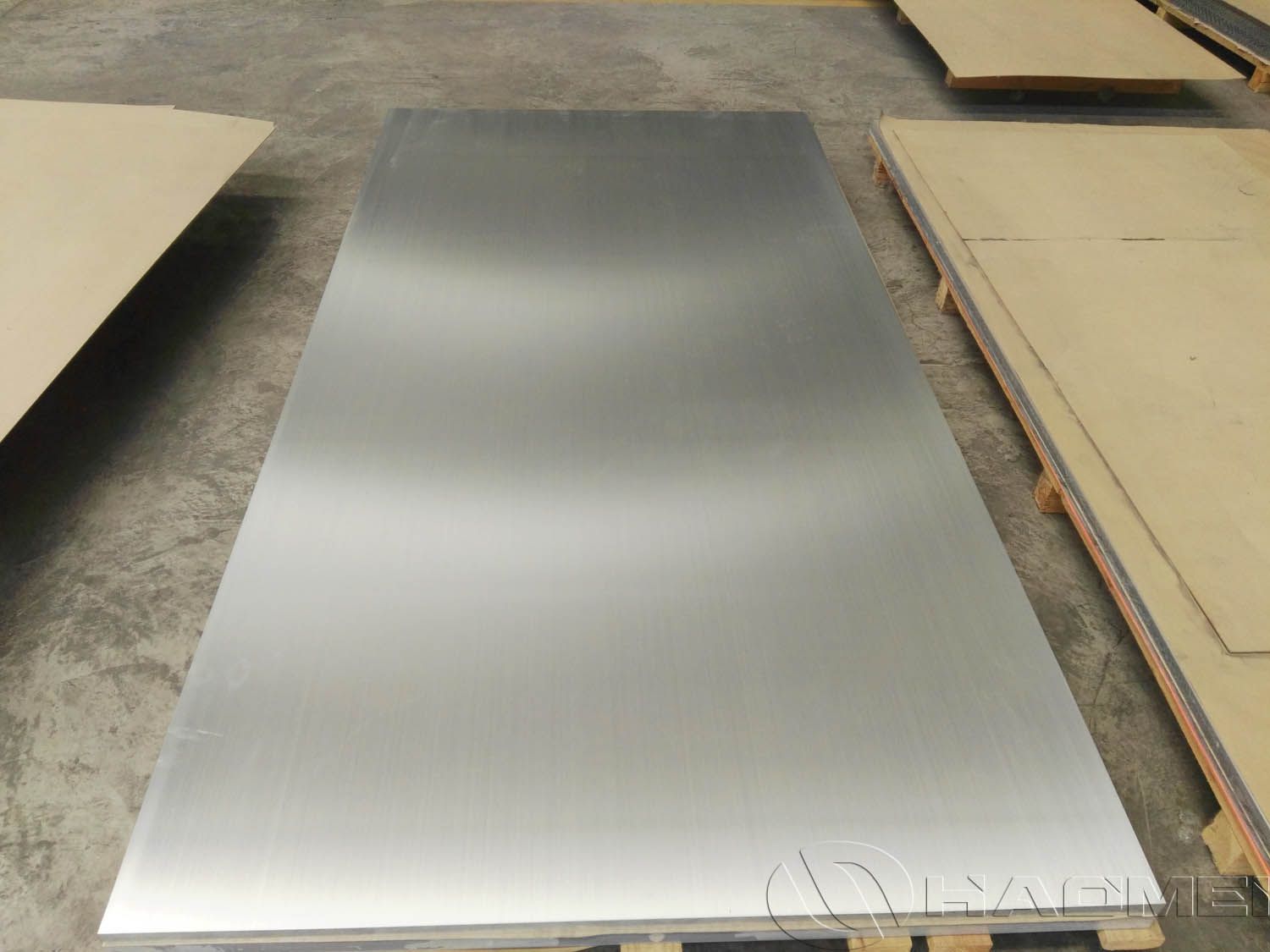
Standard packaging: Protective corner guards on all four sides, steel strapping, and anti-corrosion protective coating.
Special packaging: Wooden cases, moisture-proof packaging, and other customized solutions are available upon request.
Delivery Condition
As-rolled condition: Delivered directly without additional heat treatment where applicable.
Surface treatment: Chemical passivation, powder coating, spray coating, and other treatments can be provided.
Delivery Time
Standard orders: Usually delivered within 30–45 days.
Urgent orders: Expedited processing may be available depending on specific requirements.
FAQ
Q:Why is 5086 aluminum plate so popular in the shipbuilding industry?
A:5086 aluminum plate has excellent seawater corrosion resistance and good strength after cold forming, making it highly suitable for marine applications. Many professionals refer to 5086 as a marine-grade aluminum alloy.
Q:Can 5086 aluminum plate be bent?
A:Yes. 5086 aluminum can be bent and formed, especially in relatively softer tempers such as H32 or H34. It has good ductility and can withstand moderate bending radii without cracking, making it suitable for hull plates and curved structural components.
Q:Which is better: 5086 or 5083 aluminum alloy?
A:Both are high-magnesium, corrosion-resistant aluminum alloys in the 5000 series, but they serve different requirements. 5086 is better suited for applications requiring balanced structural properties and overall performance, while 5083 is generally preferred for higher-strength applications and extreme marine environments.
Q:What should be considered when welding 5086 aluminum plate?
A:MIG welding and TIG welding are recommended.
For filler metal, 5356 or 5183 filler wire is commonly recommended to ensure that the weld area matches the base material in strength and corrosion resistance.
Q:What is the difference between 5086 H116 and H321 tempers?
A:Both H116 and H321 are marine-use tempers that are often supplied to classification-society requirements and are optimized for stress corrosion resistance.
H116: Typically specified with higher yield-strength requirements and is suitable for high-rigidity hull outer plates and frames.
H321: Has a slightly lower degree of strain hardening and better elongation, making it suitable for components that require bending or forming, such as bent parts and bulkhead panels.