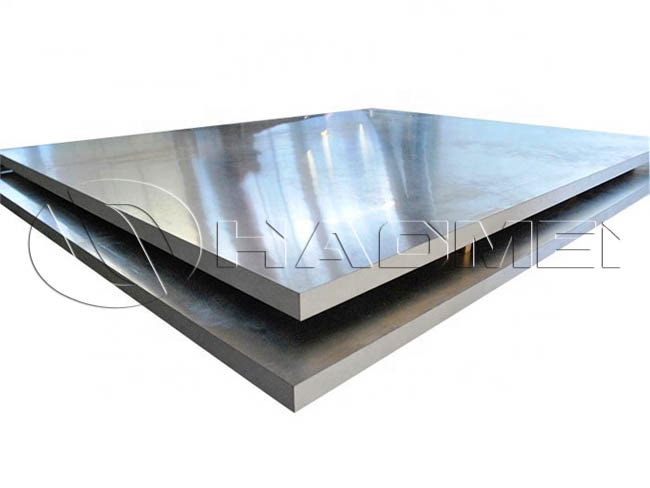
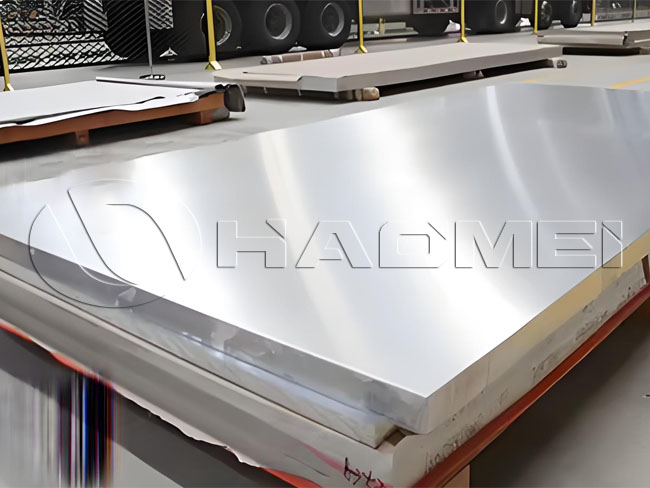
Oil tanker trucks are tank-bodied vehicles equipped with self-priming and self-discharging functions. They are mainly used for the transportation and storage of petroleum derivatives, including gasoline, diesel, crude oil, lubricating oil, and other products.
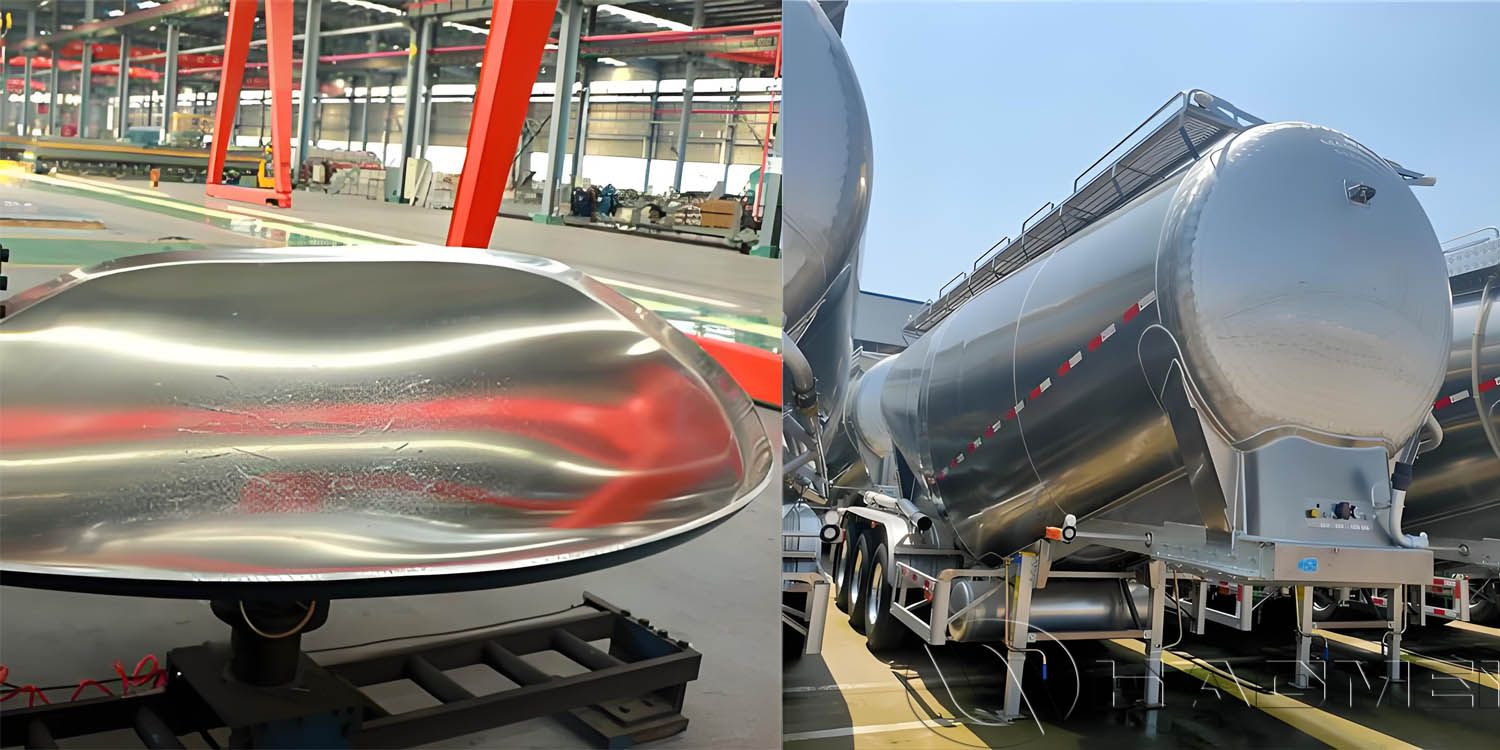
A tanker body generally consists of front and rear heads, a front tank section, a transition section, and a rear tank section.
Since oil tanker trucks may come into contact with various chemical substances during transportation, the material used for tanker heads must have excellent corrosion resistance. Aluminum alloy plates supplied by HAOMEI can effectively resist corrosion caused by petroleum products and other chemicals inside the tanker, ensuring long-term service performance.
Product Overview
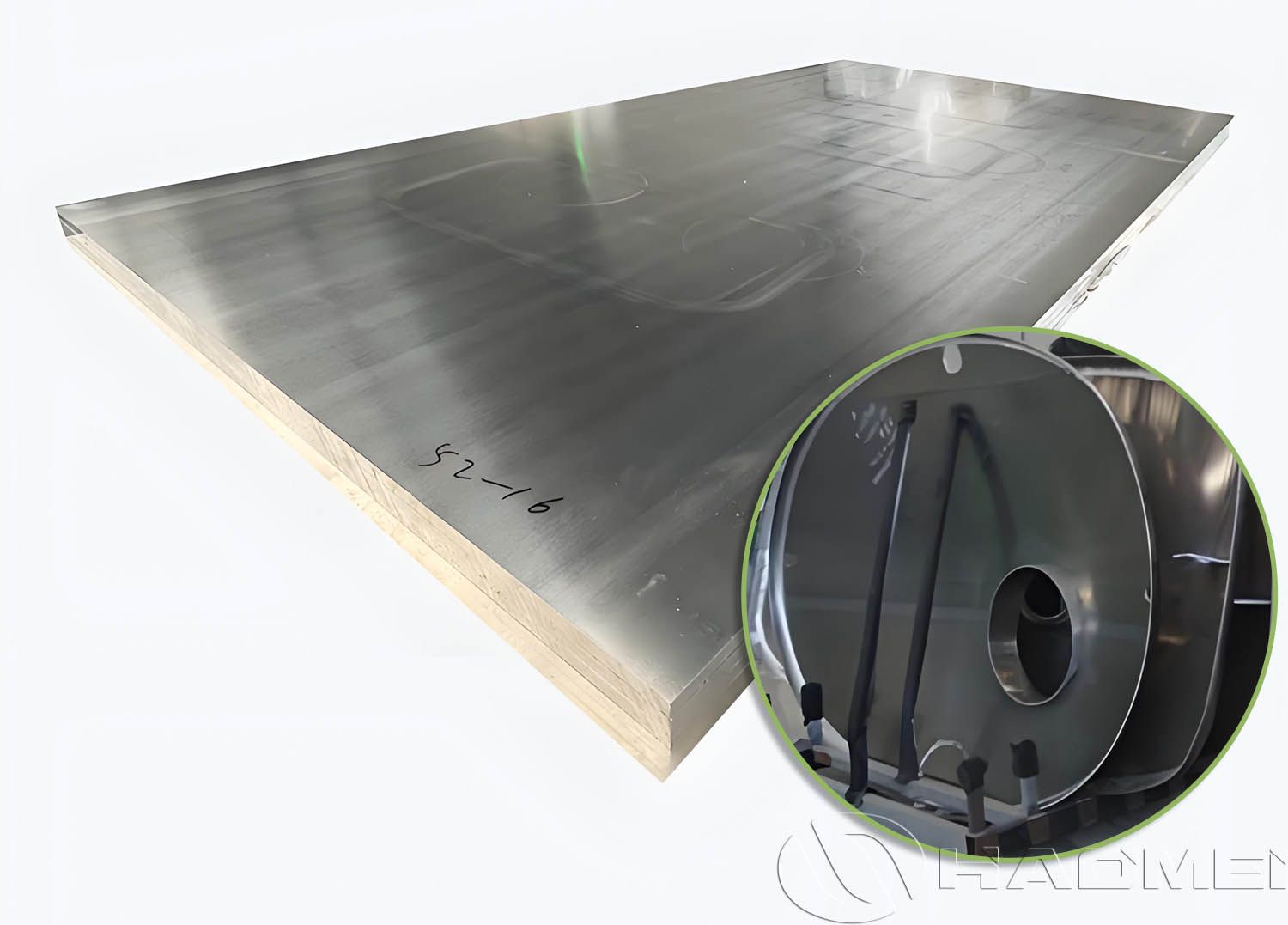
Aluminum plates for tanker truck heads are mainly used to manufacture hemispherical, elliptical, or dished end structures at both ends of the tank body. These structures are generally produced through stamping, spinning, or deep-drawing processes, which place high requirements on material ductility, strength, and surface quality.
Common aluminum alloys include:
5083 aluminum plate (Al-Mg alloy)
5182 aluminum plate (Al-Mg alloy)
5454 aluminum plate (Al-Mg alloy)
Among them, 5182 and 5083 are more commonly used for tanker heads, combining good forming properties with structural strength.
Common Aluminum Alloy Grades
5083 Aluminum Sheet
5083 aluminum sheet is a high-magnesium alloy with good strength among non-heat-treatable aluminum alloys. It offers excellent corrosion resistance, machinability, and an attractive anodized surface finish.
The principal alloying element in 5083 aluminum alloy is magnesium, which provides good corrosion resistance, weldability, and medium-to-high strength. The H111 temper offers a balance of strength and ductility, making it suitable for various standard tanker truck heads. It can also be used for tank side panels and internal partitions.
5083 aluminum sheet is widely used in heads and load-bearing components for oil tankers, chemical tankers, and large semi-trailer tankers.
5182 Aluminum Sheet
5182 aluminum sheet is an Al-Mg anti-rust aluminum alloy with good corrosion resistance, mechanical properties, and excellent weldability. It also provides good processing performance and can be easily cut, bent, and welded, facilitating oil tanker truck production and fabrication.
For tanker head drawing processes, the industry commonly uses aluminum plates in the O temper or H111 temper:
O Temper: Fully annealed condition. The material is the softest and has the highest elongation, making it suitable for deep drawing and components requiring large deformation.
H111 Temper: Slightly strain-hardened and stabilized condition. It provides slightly higher strength than O temper and is suitable for tanker heads with certain load-bearing requirements.
Product Specifications
| Item | Common Range |
| Alloy | 5083, 5182, 5454, etc. |
| Temper | O, H111, H112, H32, etc. |
| Thickness | Commonly 3 mm–12 mm; customizable upon request |
| Width | 1,500 mm–2,650 mm; customizable upon request |
| Length | Cut-to-length and customized cutting available |
| Surface Quality | Flat and clean, without obvious scratches, indentations, or oil stains |
| Processing Methods | Spinning, stamping, deep drawing, die forming, welding, etc. |
| Pressure Rating | PN 1.0–PN 2.5 MPa |
| Temperature Range | -40°C to +120°C |
| Standards | Available according to Chinese, European, American, or customer-specific technical standards |
| MOQ | 1–3 tons |
Core Advantages of Aluminum Plate for Tanker Truck Heads
1.Lightweight and High Strength
Aluminum alloy plate is approximately two-thirds lighter than conventional steel plate while maintaining excellent mechanical strength. It reduces vehicle weight and improves transportation efficiency.
2.Excellent Corrosion Resistance
A dense oxide film naturally forms on the surface of aluminum. This film effectively resists corrosion from chemicals, saltwater, moisture, and other harsh environments, extending the service life of tanker heads.
3.Good Thermal Conductivity
Aluminum has high thermal conductivity, allowing efficient heat dissipation and helping maintain a stable internal temperature in the tanker head. This can help reduce the risk of sealing failure caused by excessive temperature differences.
4.Good Processing Performance
Aluminum plates are easy to cut, bend, stamp, and process. They can be formed into complex tanker head shapes to meet the requirements of different tanker truck models.
5.Excellent Weldability
Tanker heads must be welded to the tank shell. Aluminum alloys provide excellent welding performance, high weld strength, and reliable safety.
6.Good Surface Quality
Aluminum plates feature a flat, clean surface free of obvious scratches, roll marks, dents, and oxidation defects. After forming, tanker heads have smooth and natural curved surfaces, making them suitable for polishing, coating, cleaning, and other subsequent surface treatments.
Application Areas
Aluminum plates for tanker truck heads are widely used in the following fields:
Chemical transportation: Transport of corrosive liquids such as strong acids, strong alkalis, and organic solvents.
Petroleum and energy: Transport of crude oil, refined petroleum products, natural gas, and related materials.
Food and beverage: Transport of dairy products, fruit juice, brewing ingredients, and other products with sanitary requirements.
Pharmaceutical industry: Transport of pharmaceutical raw materials and semi-finished products.
Hazardous goods transportation: Transport of flammable, explosive, or toxic substances that require higher safety standards.
Key Process Controls for Tanker Head Manufacturing
1. Deep-Drawing Forming
The core process in tanker head production is forming an aluminum plate into a spherical-cap or elliptical shape in a single drawing operation using a hydraulic press. This process requires highly uniform material structure.
If segregation or impurities are present within the material, cracks can easily occur in stress-concentration areas during forming.
High-quality 5182-O aluminum plate undergoes homogenization heat treatment and low-temperature stabilization treatment to ensure a fine and uniform grain structure. This significantly reduces the risk of deep-drawing cracks while maintaining thinning within the allowable design range.
2. Welding Assembly
After the tanker head is formed, it must be circumferentially welded to the tank shell. Due to the low hot-cracking tendency of 5182 aluminum plate, efficient MIG or TIG welding processes can be used.
By selecting suitable filler wire, such as ER5183, and adopting an appropriate welding sequence, the weld strength can reach more than 90% of the base metal strength while maintaining good corrosion resistance.
Economic Advantages of Using Aluminum Plates for Tanker Trucks
Weight Reduction and Higher Payload
The density of aluminum is only about one-third that of steel. The complete vehicle can be reduced by approximately 1.5–2 tons, allowing more cargo to be legally loaded under the same gross vehicle weight limit.
Fuel Savings
For every 1-ton reduction in vehicle weight, fuel consumption can be reduced by approximately 0.5 L per 100 km. Based on an annual operating distance of 150,000 km, this can save more than RMB 10,000 in fuel costs per year.
Lower Maintenance Costs
Aluminum does not require anti-corrosion coatings and does not rust when scratched. Maintenance costs can be reduced by approximately 30% compared with steel tanker trucks.
Longer Service Life
The typical service life of aluminum alloy tanker trucks can reach 15–20 years, significantly longer than that of carbon steel tank bodies.
Green and Environmentally Friendly
Aluminum has a high recycling rate and supports the requirements of a circular economy.
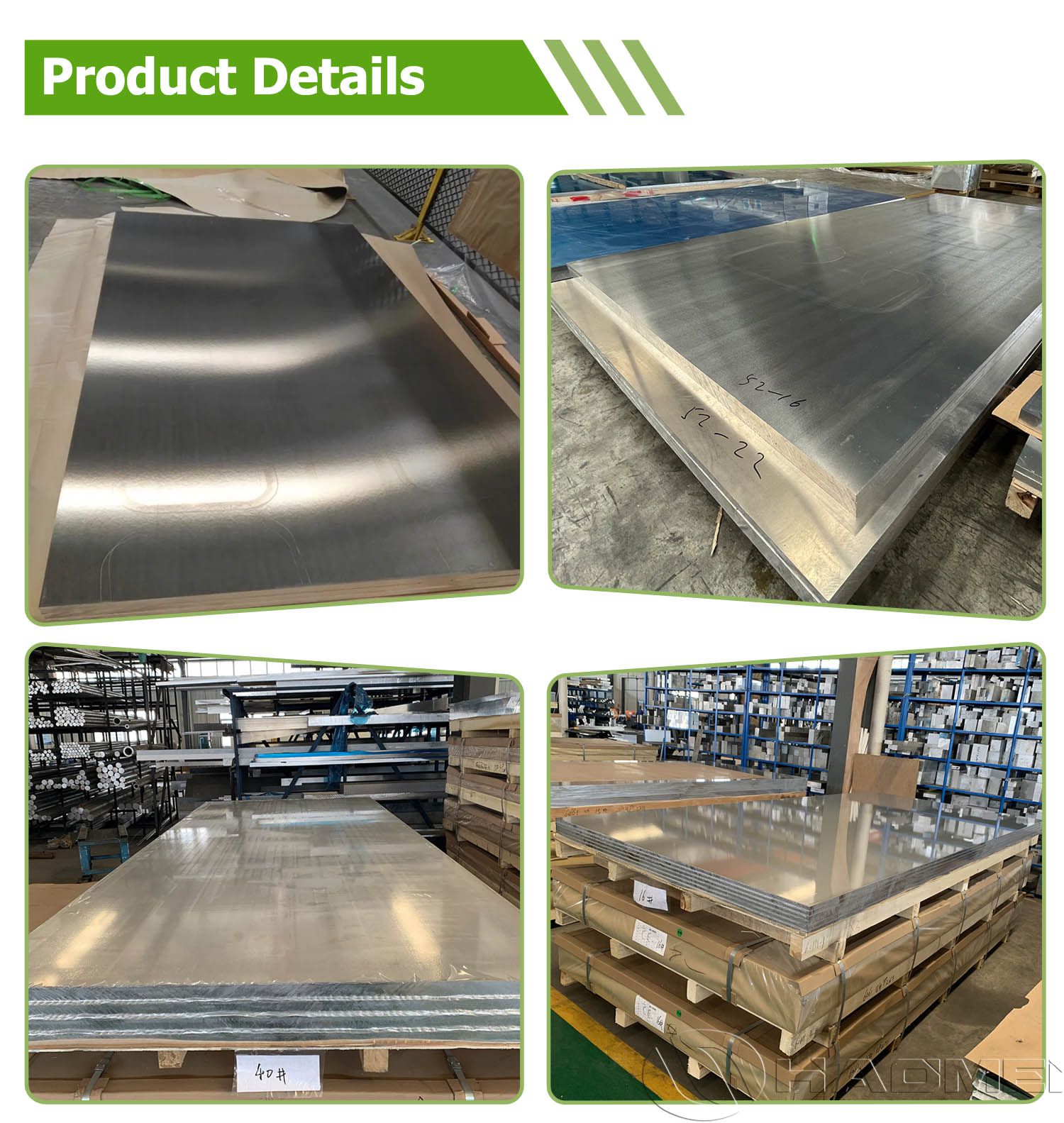
Product Process and Quality Standards
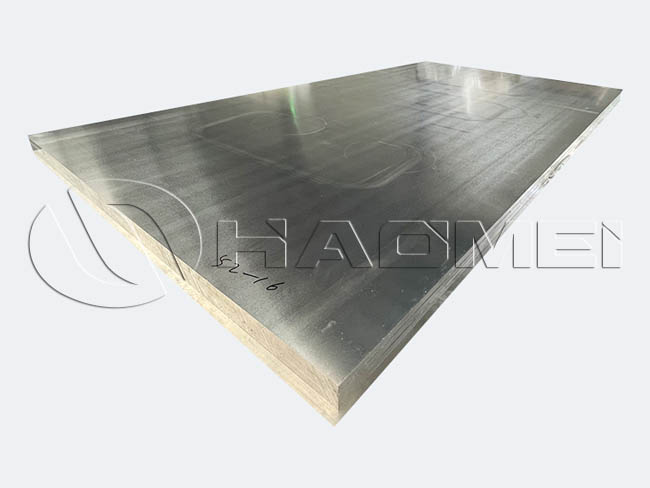
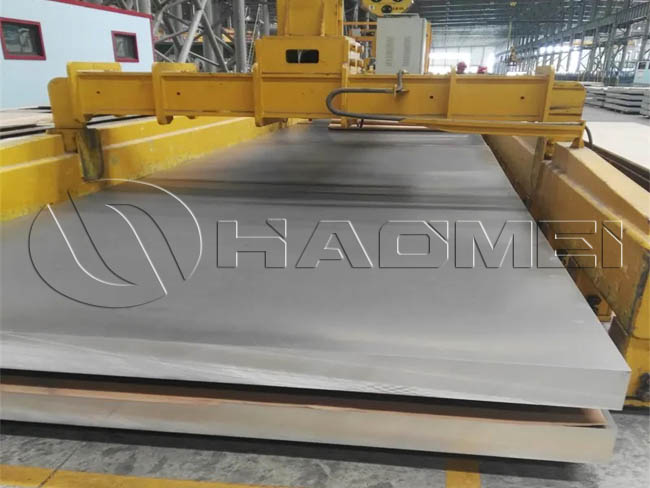
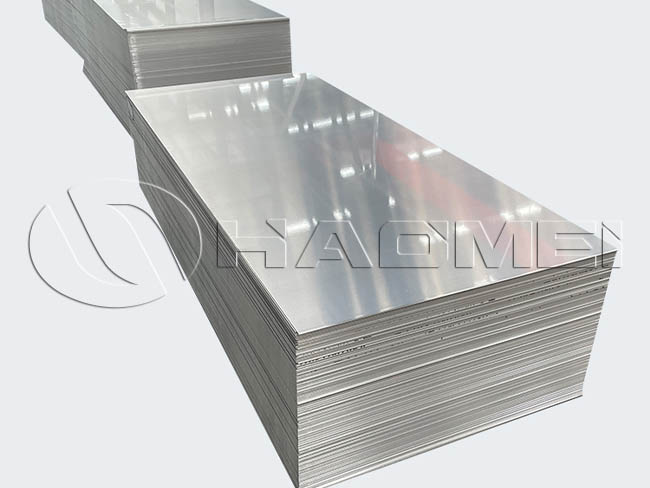
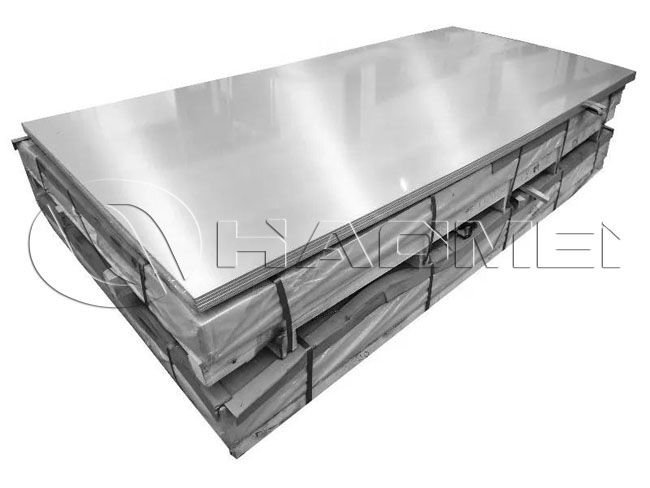
Aluminum plates specially designed for tanker truck heads are produced using high-precision hot rolling and temperature-controlled annealing processes. The plates have a uniform internal structure, fine grains, and are free from quality defects such as bubbles, inclusions, scratches, and warping.
The plate surface is flat and smooth, with precise thickness tolerances. Products are manufactured in strict accordance with industry standards such as ASTM B209 and EN 14286. EN 10204 3.1 material test certificates can be provided, and all performance indicators meet the manufacturing requirements for pressure vessels and tank transport vehicles.
The standard thickness range is 5–8 mm, while customized thicknesses and widths are available to meet the processing requirements of large and small tanker trucks as well as special-shaped heads.
The plates receive professional surface treatment to create a uniform and dense oxide film with stable aging and corrosion resistance. They also provide strong adhesion for subsequent painting or coating. The finished tanker heads have a neat appearance and long-lasting performance.
Why Choose Us?
Customized Services
We can customize dimensions, shapes, pressure ratings, and other parameters according to the customer's tanker truck model and transported medium.
Fast Delivery
With complete production lines and inventory management systems, we can provide short lead times.
Technical Consultation
We offer professional sealing and material-selection consultation to help customers select suitable product grades and specifications.
Installation Guidance
Detailed installation manuals and technical support are available to ensure correct installation.
After-Sales Service
A dedicated after-sales service team provides maintenance recommendations and assistance with technical issues.