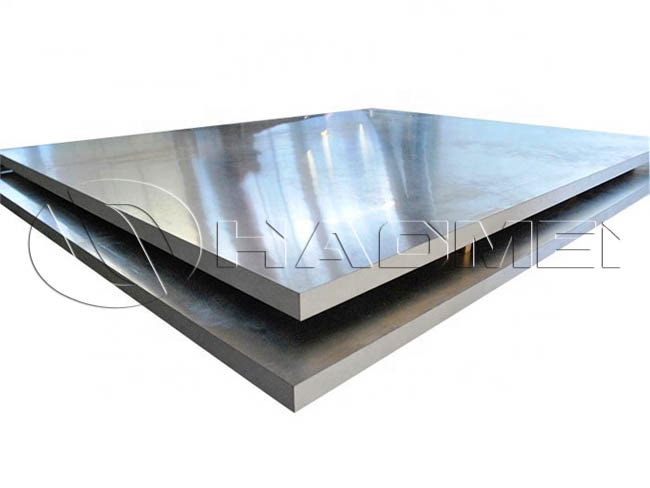
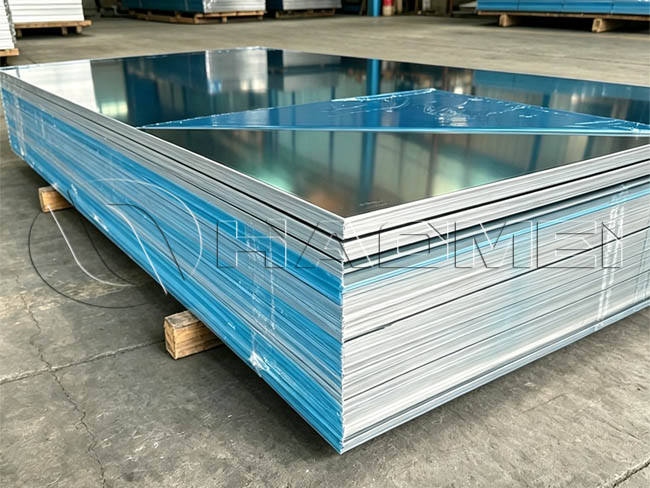
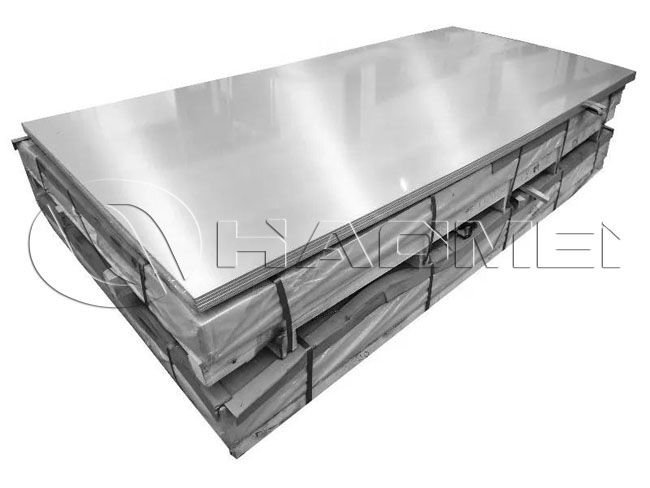
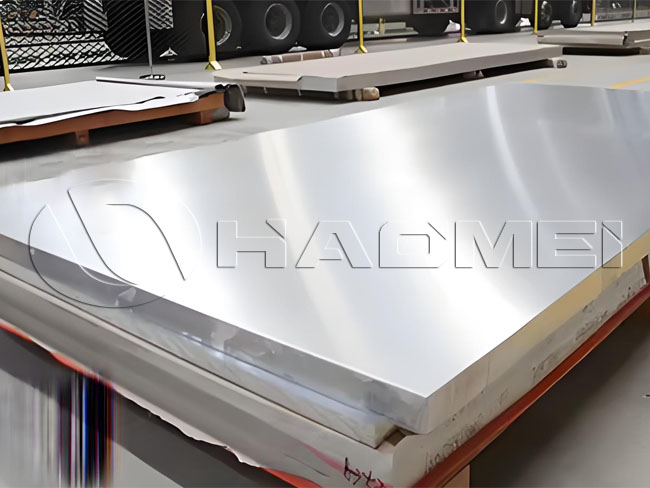
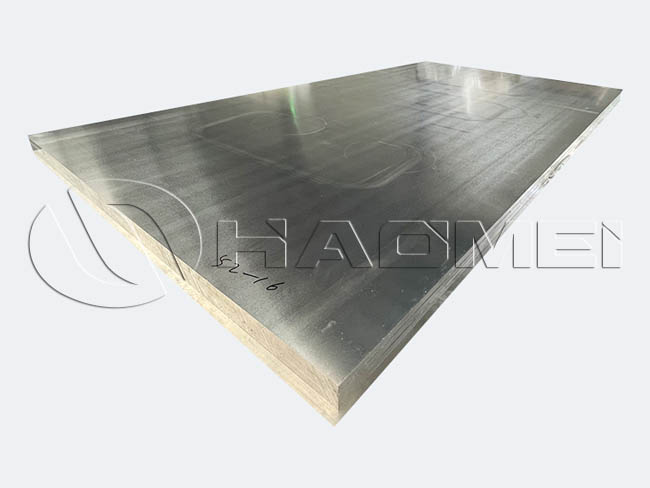
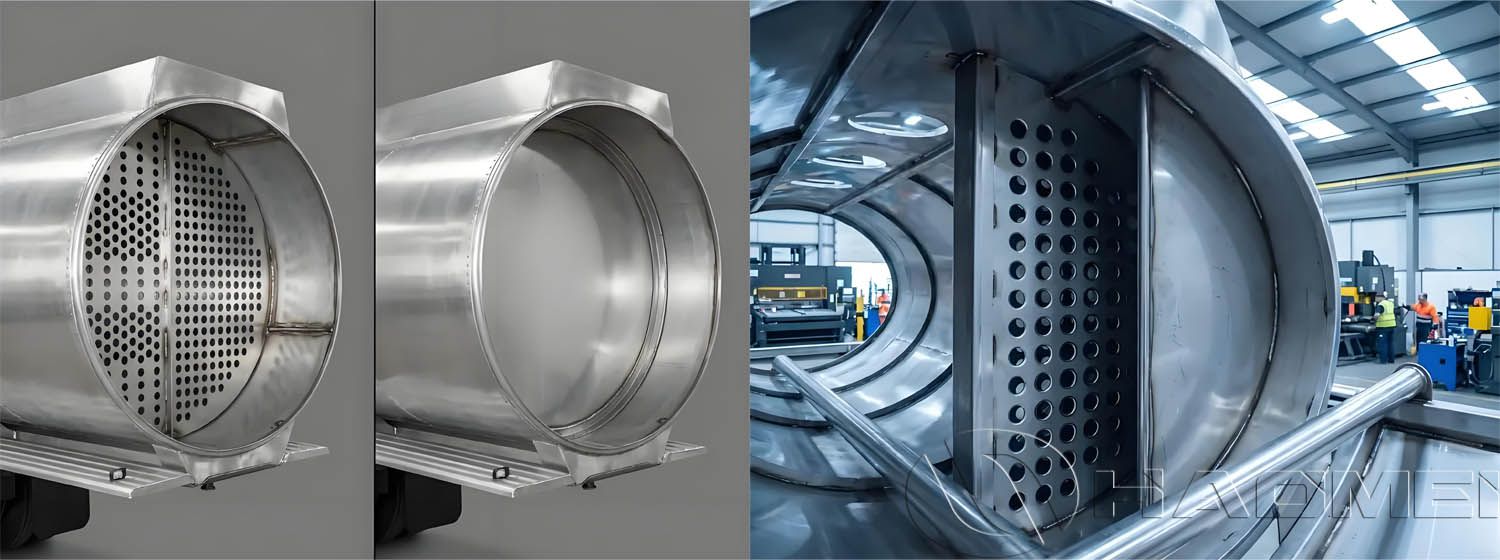
Aluminum sheets for tanker truck partitions are important internal structural materials used to manufacture anti-surge baffles, compartment partitions, and internal divider plates. These components not only separate tank spaces and reinforce the structural stability of the tank, but also effectively reduce impact forces and liquid sloshing during transport. They are therefore among the essential materials in tanker truck manufacturing.
A well-designed partition system can improve overall vehicle stability, reduce rollover risks, and enhance transportation safety and driving comfort. For multi-compartment tanker trucks, partitions can also separate different media into individual compartments, enabling the simultaneous transport of multiple liquids and improving transportation efficiency.
Common Aluminum Alloy Grades for Tanker Truck Partitions
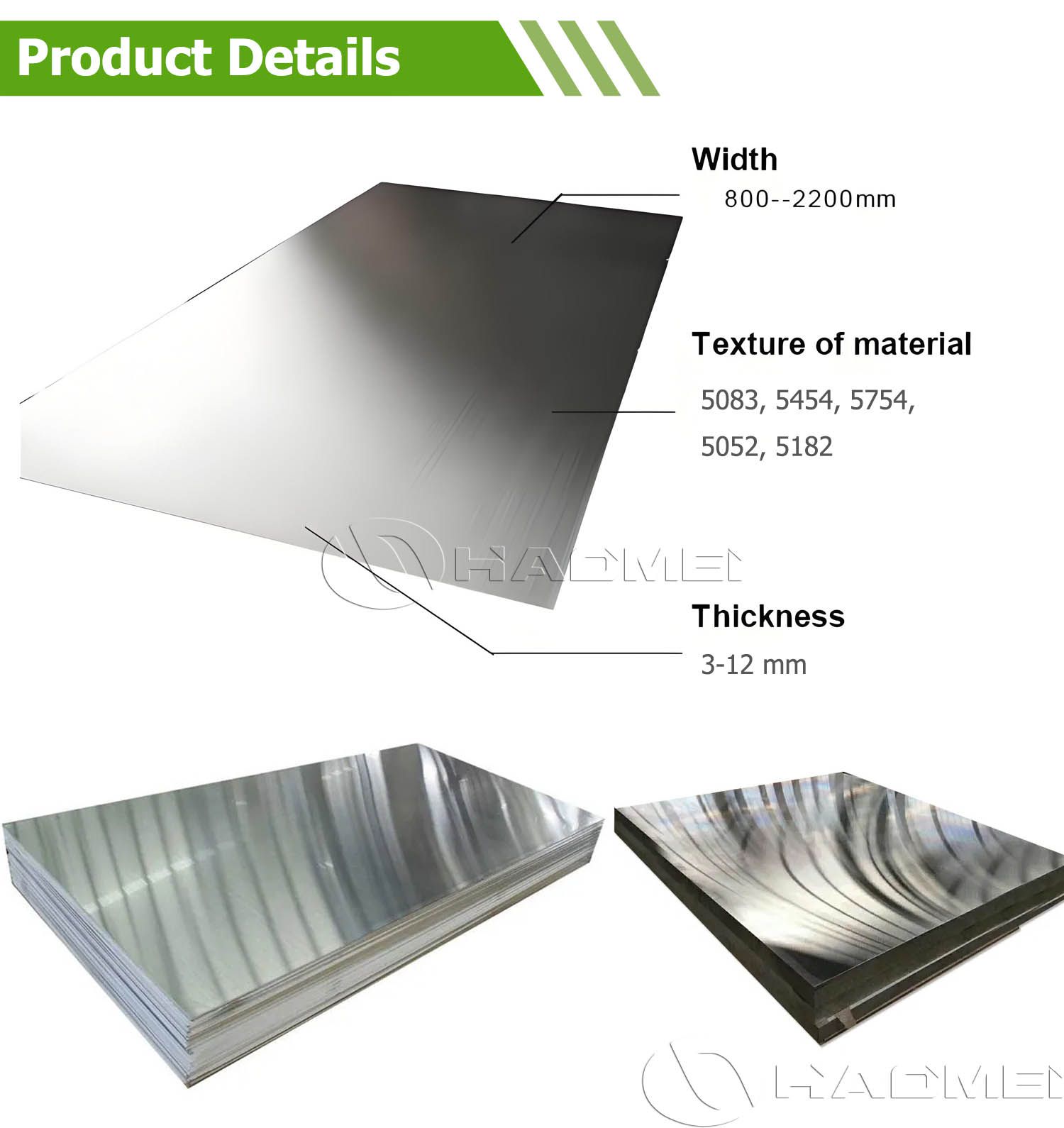
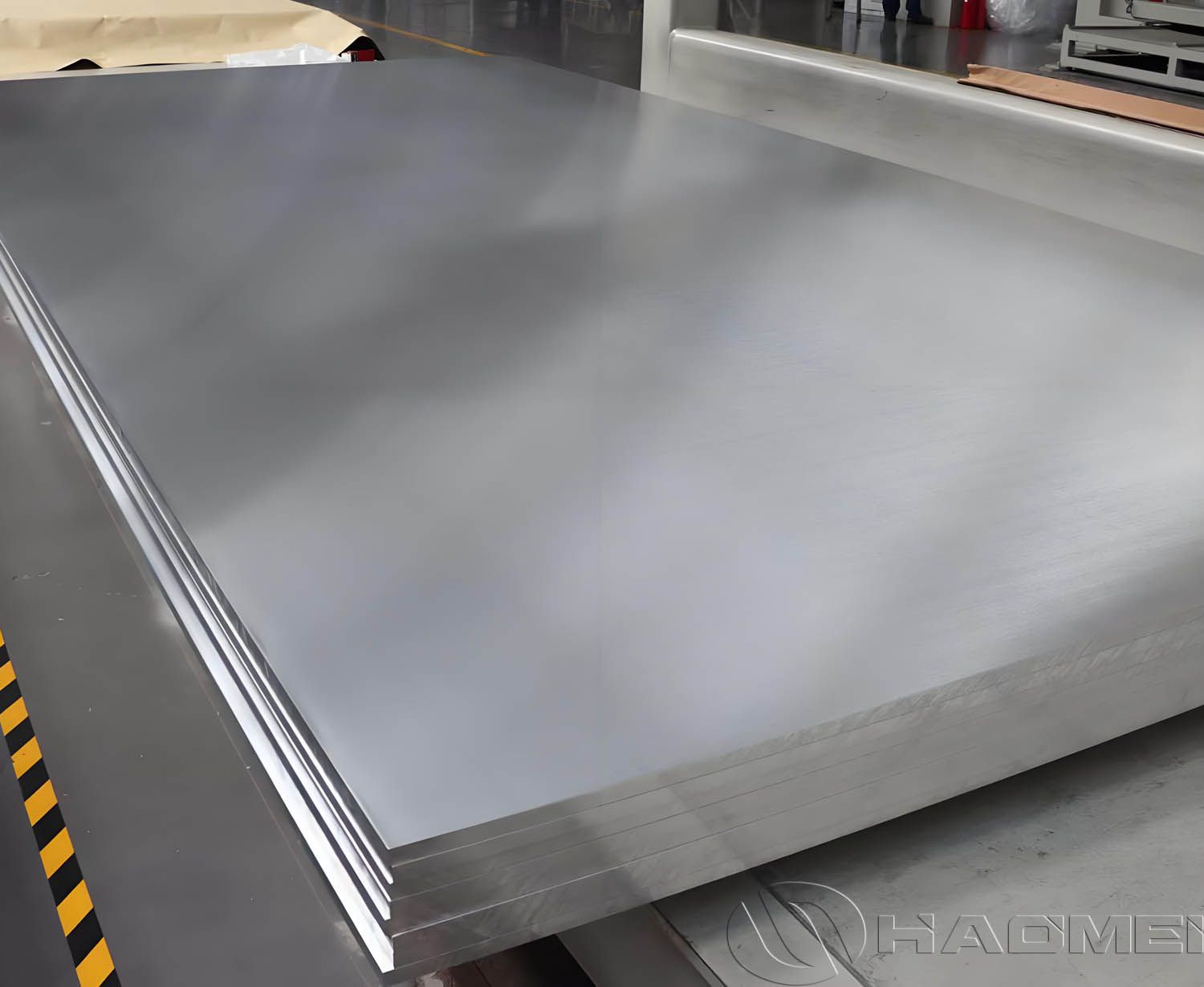
Aluminum sheets for tanker truck partitions are generally made from 5xxx series aluminum-magnesium alloys. Common grades include 5083, 5454, 5754, 5052, and 5182. Each alloy offers different properties and can be selected according to the transported medium, tank structure, and processing requirements.
5754 Aluminum Sheet
As a typical Al-Mg anti-rust aluminum alloy, 5754 offers medium strength, good corrosion resistance, weldability, and easy forming performance. It is a preferred material for tanker truck partition manufacturing, especially for components that require bending and forming, such as partition plates and oil baffles.
5083 Aluminum Sheet
5083 aluminum sheet features high strength, excellent corrosion resistance, weldability, and processing performance. In the 5083-O temper (annealed soft condition), it provides excellent flexibility and is one of the commonly used materials for tanker truck partitions.
5454 Aluminum Sheet
5454 aluminum sheet provides medium strength, excellent corrosion resistance, and good crack resistance. The 5454-O temper is also suitable for partition manufacturing, while the H32 temper is commonly used for anti-surge baffles and tank shells.
5182 Aluminum Sheet
5182 is a high-magnesium aluminum alloy with excellent corrosion resistance. It is also an optional material for tanker truck partitions.
5052 Aluminum Sheet
5052 is a commonly used anti-rust aluminum alloy with good corrosion resistance and processing performance. It offers medium strength and is suitable for general tanker truck partitions and auxiliary structural components.
In general, tanker truck partitions usually use the O temper (annealed condition) because of its good flexibility and ease of forming. Tank shells, on the other hand, are more commonly made from H111 or H32 tempers to achieve higher strength.
Product Specifications
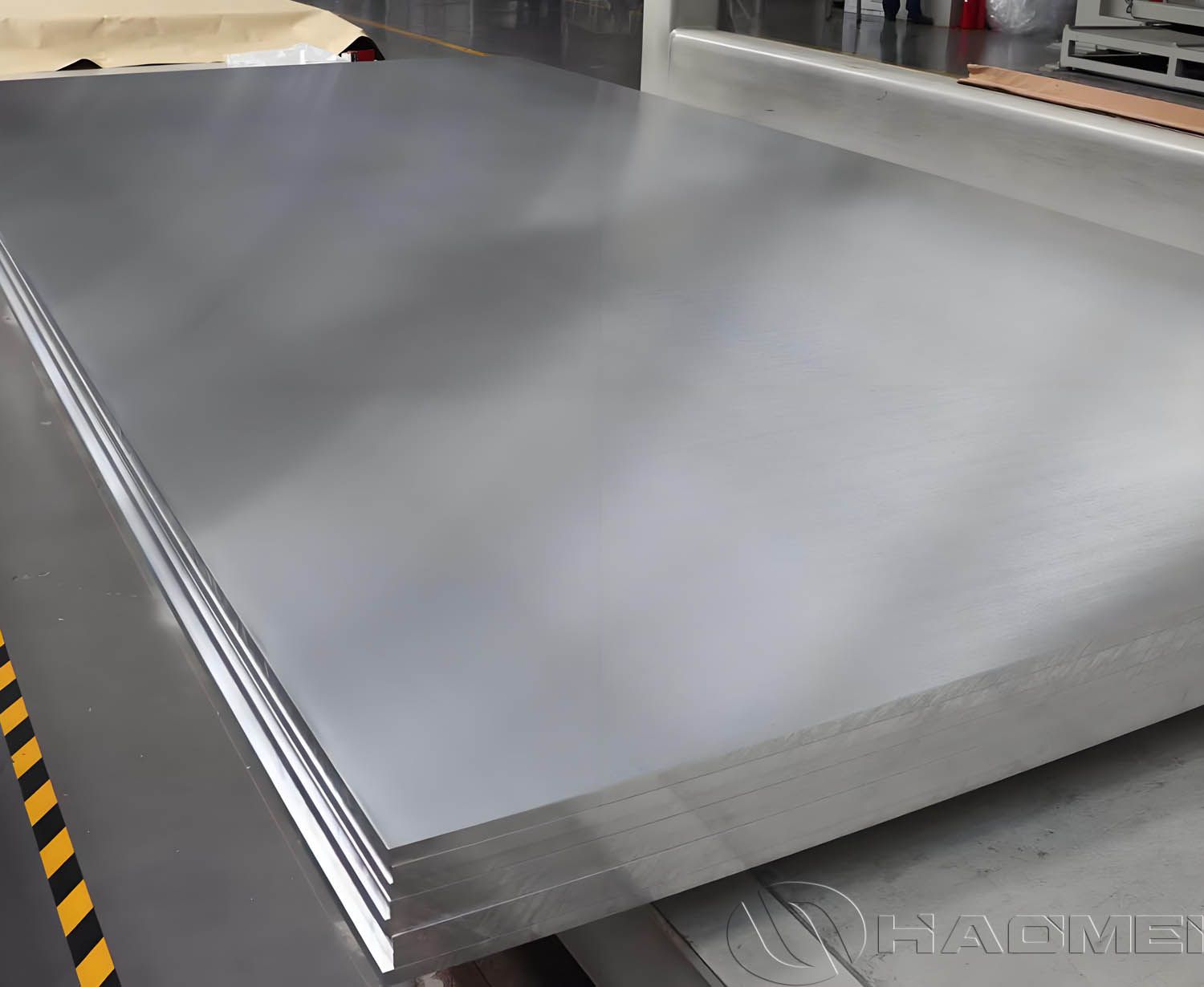
| Item | Common Range |
| Alloy Grades | 5083, 5454, 5754, 5052, 5182, etc. |
| Temper | O, H111, H112, H32, H34, etc. |
| Thickness | 3 mm–12 mm, customizable |
| Width | 1,000 mm–2,600 mm, customizable |
| Length | 2,000 mm–12,000 mm, customizable |
| Surface | Mill finish, film-laminated surface, clean surface |
| Processing Methods | Cutting, leveling, film lamination, cut-to-length, drawing-based processing |
| Standards | GB/T, ASTM, EN, or as required |
| Applications | Tanker truck partitions, anti-surge baffles, compartment dividers, tank reinforcement components, etc. |
MOQ
| 3 tons |
Why Choose Aluminum Sheet for Tanker Truck Partitions?
1.Lightweight Design
Aluminum alloy has a density of only 2.7 g/cm³, approximately one-third that of steel. Using aluminum alloy partitions can reduce the overall weight of a tanker truck by approximately 20%–30%. This effectively lowers tank weight and increases the vehicle’s available payload capacity.
2.Stable Strength
High-quality aluminum sheets provide good tensile strength, yield strength, and fatigue resistance. They can withstand vibration, impact, and load changes during long-term vehicle operation.
3.Excellent Corrosion Resistance
5xxx series aluminum alloys are typical anti-rust aluminum materials. A dense aluminum oxide protective film naturally forms on the surface, effectively resisting corrosion from air, moisture, and chemical media.
Even if the vehicle body is scratched, aluminum does not rust like steel. It is particularly suitable for long-distance tanker trucks carrying fuels, chemical liquids, and other corrosive media, potentially extending tank service life by more than two times.
4.Outstanding Formability and Weldability
Aluminum sheets for partitions offer good ductility and formability. They can be easily stamped and bent into various complex shapes, including corrugated baffles. Their welded joints are strong and reliable, helping prevent cracking during transport.
5.Safe, Environmentally Friendly, and Recyclable
Compared with carbon steel tanker trucks, aluminum alloy tanker trucks are lighter, reducing fuel consumption and carbon emissions. Aluminum also has a high recycling rate, supporting the development of a circular economy.
Application Areas
Aluminum sheets for tanker truck partitions are widely used in:
Refined oil transport tankers
Chemical liquid transport vehicles
Supporting transport equipment for LNG and LPG applications (excluding cryogenic inner tanks)
Edible oil transport trucks
Milk tankers
Drinking water transport vehicles
Alcohol and beverage transport tankers
Liquid food transportation vehicles
Pharmaceutical liquid transport equipment
Various aluminum alloy storage tanks and pressure vessels, subject to applicable design specifications
How to Select Suitable Aluminum Sheets for Tanker Truck Partitions
When purchasing and selecting materials, the following factors should be considered:
1. Select the Alloy According to the Transported Medium
For petroleum products or general liquids, 5083, 5754, or 5052 aluminum sheets may be selected. For chemical liquids with a certain degree of corrosiveness, 5083 or 5454 aluminum sheets with stronger corrosion resistance should be prioritized.
2. Select Thickness According to Structural Strength Requirements
For large tanks, long-distance transport vehicles, or locations where partitions bear significant loads, thicker aluminum sheets are recommended. For ordinary small tankers or auxiliary anti-surge structures, thinner gauges may be selected according to the design requirements.
3. Select the Temper According to the Processing Method
For bending, punching, curved rolling, and similar operations, tempers with better ductility—such as O, H111, and H112—should be selected. Where higher strength is required, an appropriate harder temper can be chosen according to the design specifications.
4. Consider Weldability
Tanker truck partitions are normally secured by welding. Therefore, aluminum sheets with stable weldability, reliable post-weld strength, and low cracking susceptibility should be selected. Suitable filler wire and welding processes should also be used.
5. Choose a Supplier with Stable Quality
Tanker truck partitions directly affect vehicle safety and service life. It is important to choose an aluminum sheet manufacturer with stable production capacity, a comprehensive quality inspection system, and experience in volume supply. This helps ensure long-term consistency in material composition, mechanical properties, and dimensional tolerances.