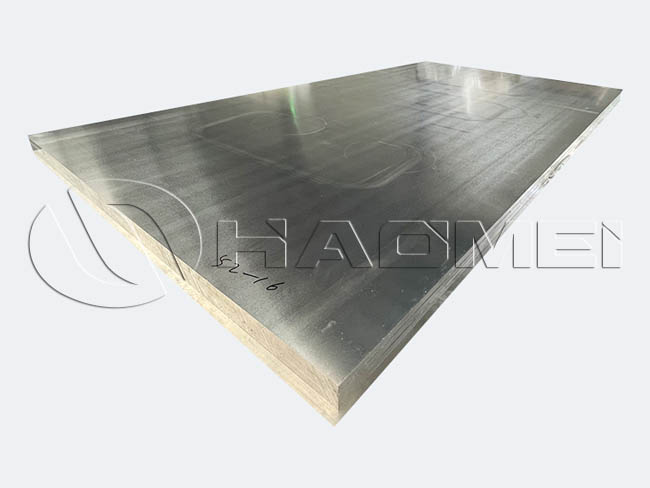
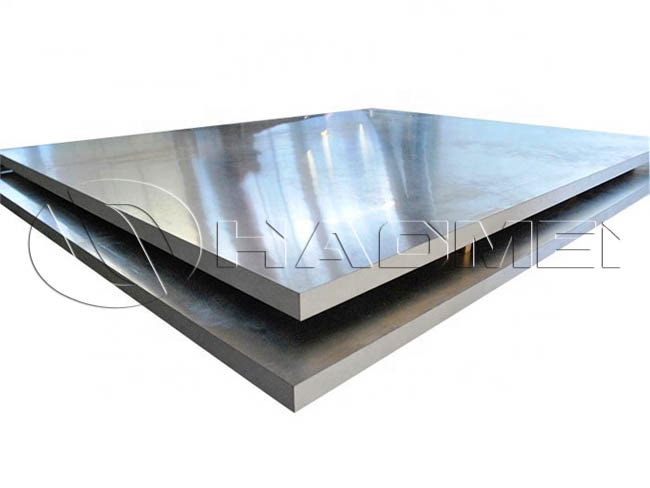
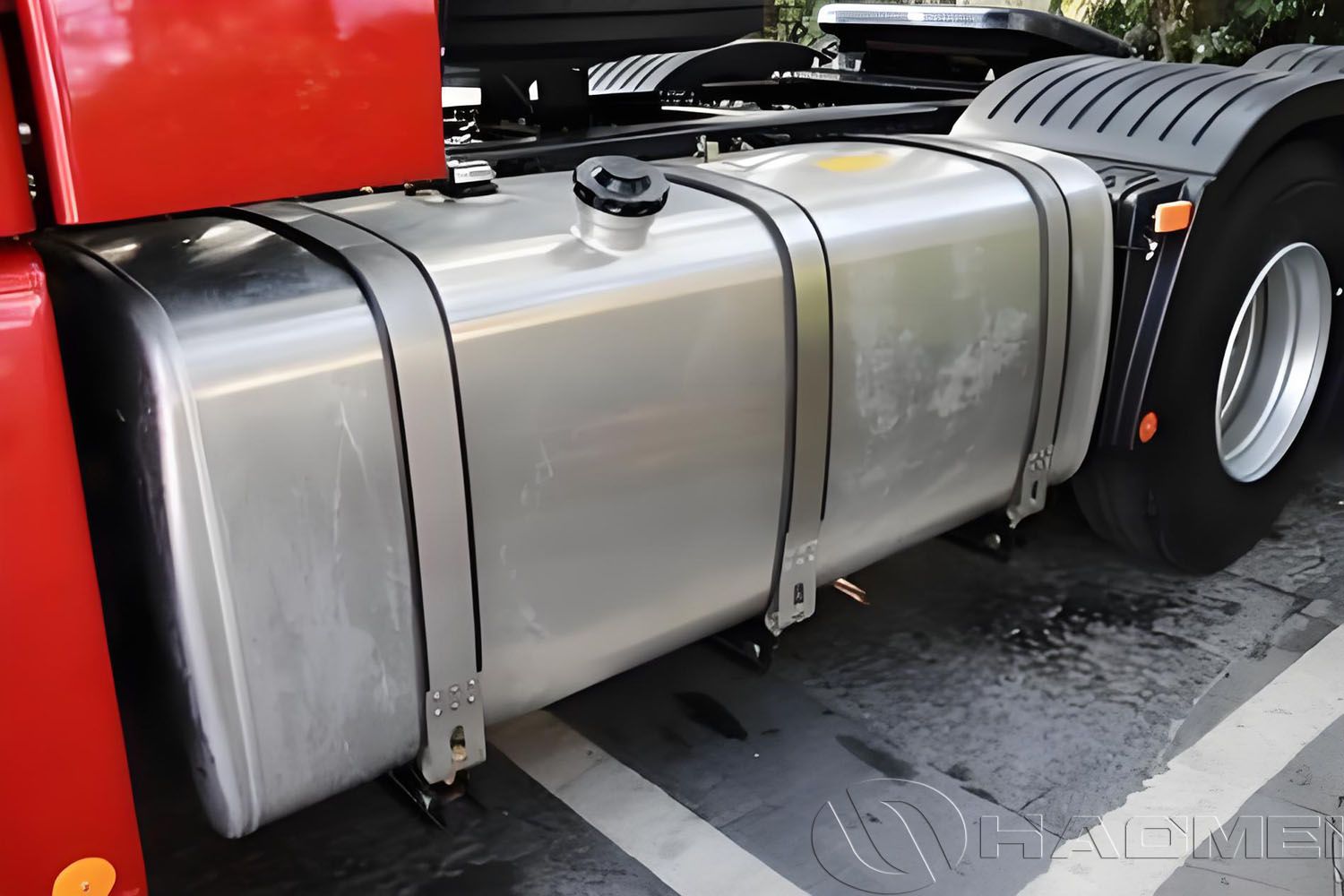
With the rapid development of hazardous-goods transportation, energy logistics, and specialized vehicle manufacturing, tanker trucks are placing increasingly stringent requirements on fuel tank materials. Modern tanker trucks must not only provide greater transport capacity, but also meet requirements for lightweight construction, safety, corrosion resistance, and long-term operating reliability.
As a result, conventional steel fuel tanks are gradually being replaced by high-performance aluminum alloy fuel tanks.
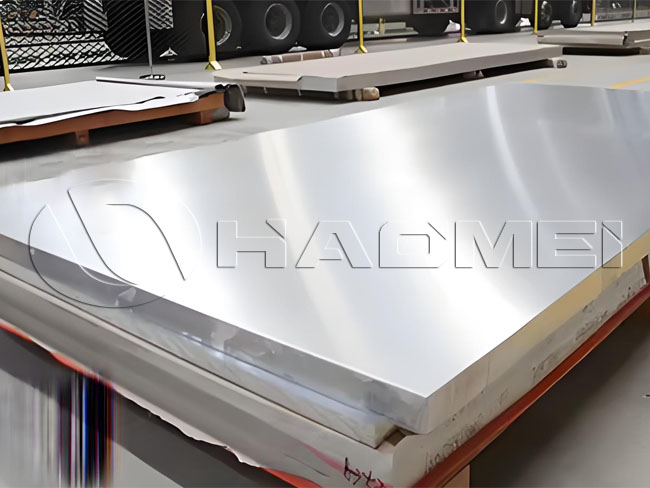
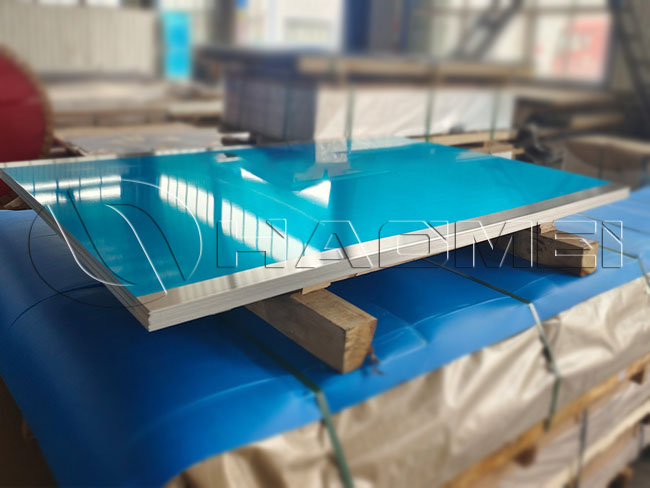
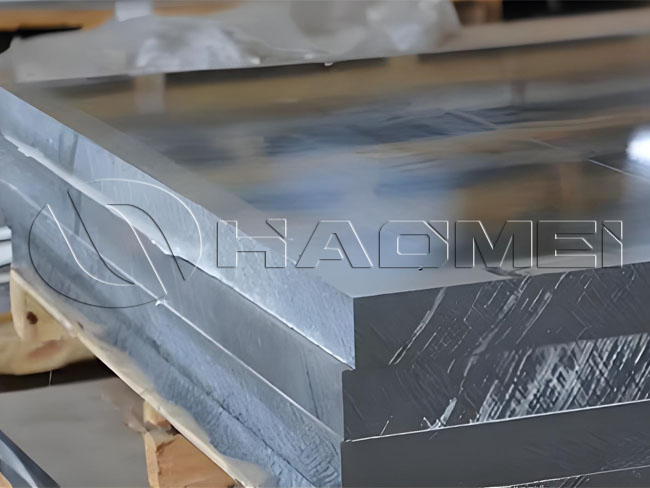
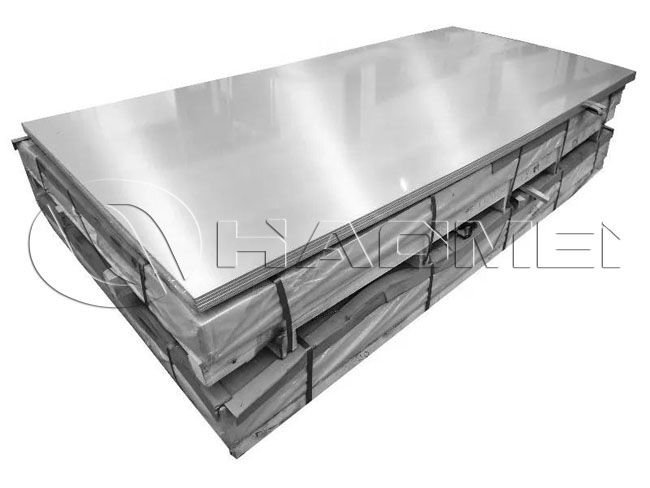
Aluminum sheets for fuel tanks are widely used in oil tanker trucks, chemical liquid transport vehicles, hazardous-material transport vehicles, and similar equipment due to their light weight, high strength, corrosion resistance, excellent weldability, and long service life. In particular, 5xxx series aluminum-magnesium alloys—including 5052, 5083, 5182, 5454, and 5754—have become mainstream materials in the global tanker truck manufacturing industry because of their outstanding overall performance.
Common Aluminum Alloy Grades
5052 Aluminum Sheet
5052 aluminum sheet is one of the preferred core materials for automotive fuel tank manufacturing. As an Al-Mg anti-rust aluminum alloy, 5052 contains approximately 2.2%–2.8% magnesium and can form a dense aluminum oxide film (Al₂O₃) on its surface.
It offers good corrosion resistance, weldability, and formability. With moderate strength and good ductility, it is suitable for manufacturing fuel tank components with relatively complex structures.
5083 Aluminum Sheet
5083 aluminum sheet offers higher strength, excellent corrosion resistance, and good weldability. It is particularly suitable for fuel tanks and tank structures with high requirements for strength and safety.
5083 aluminum sheet performs reliably under heavy-duty, long-distance, and demanding operating conditions. It is an important material choice for high-end tanker truck fuel tanks and tank body manufacturing.
5754 Aluminum Sheet
5754 aluminum sheet is an Al-Mg alloy with good strength, ductility, corrosion resistance, and surface quality. It is suitable for vehicle fuel tanks requiring a good appearance and excellent forming performance.
Combining functionality and aesthetics, 5754 aluminum sheet has broad application potential in vehicle lightweighting.
5182 Aluminum Sheet
5182 aluminum sheet is an Al-Mg anti-rust aluminum alloy with a density of only about one-third that of steel. Its tensile strength is ≥175 MPa, and its yield strength is ≥80 MPa.
5182 aluminum sheet offers good deep-drawing performance and corrosion resistance, making it suitable for fuel tank components with demanding stamping and forming requirements. For fuel tank products manufactured through high-volume stamping processes, 5182 aluminum sheet provides good forming stability.
5454 Aluminum Sheet
5454 aluminum sheet has a magnesium content of approximately 2.4%–3.0% and a tensile strength exceeding 215 MPa, about 20% higher than that of 5052 aluminum sheet.
It provides good corrosion resistance and thermal stability, making it suitable for tanker truck fuel tank structures used in special environments or applications involving significant temperature variations.
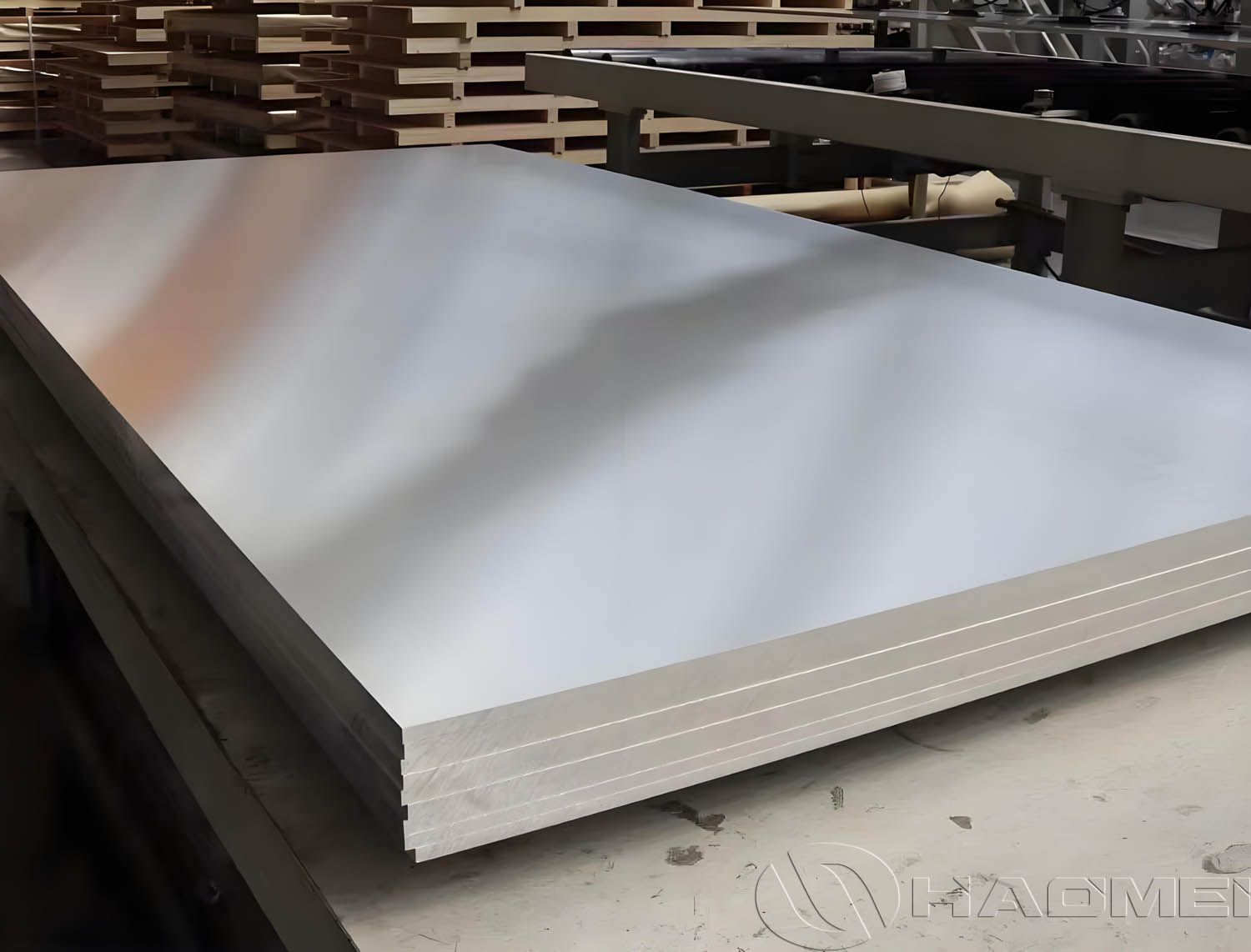
Product Specifications
| Item | Specification |
| Alloy | 5052, 5083, 5182, 5454, 5754 |
| Temper | O, H111, H112, H32, H34 |
| Thickness | 1.5–12 mm |
| Width | 1,000–2,650 mm |
| Length | 2,000–12,000 mm, customizable |
| Surface | Mill finish, protective film, brushed finish, pre-anodizing treatment |
| Standards | ASTM B209, EN 485, GB/T 3880 |
| Processing Methods | Laser cutting, bending, roll forming, welding, stamping |
| MOQ | 3 tons |
Why Choose Aluminum Sheet for Tanker Truck Fuel Tanks?
1. Lightweight Construction
Aluminum has a density of only 2.71 g/cm³, approximately one-third that of steel. Compared with conventional carbon-steel oil tanker trucks, aluminum alloy tanker trucks can improve effective payload capacity by 18%–35%.
Lower empty vehicle weight also reduces fuel consumption and tire wear, helping lower operating costs.
2. Corrosion Resistance
5xxx series aluminum alloys are typical anti-rust aluminum materials. A dense aluminum oxide film naturally forms on the surface, effectively preventing corrosion from air and moisture and significantly extending the fuel tank service life.
3. Excellent Weldability
Aluminum sheets for tanker truck fuel tanks provide good welding adaptability and are suitable for MIG welding, TIG welding, argon arc welding, and other welding processes.
4. Good Processing and Forming Performance
Modern fuel tank manufacturing involves CNC cutting, bending, roll forming, deep drawing, and automatic welding. 5052 and 5182 aluminum sheets offer good ductility and elongation, meeting the forming requirements of complex structural parts.
This helps reduce processing defects and improve production efficiency.
5. Impact Resistance and Fatigue Resistance
Aluminum alloy sheets such as 5083 and 5754 provide good toughness and fatigue resistance. They can maintain structural stability under long-term dynamic loads.
When used for tank bodies, end caps, partitions, and anti-surge baffles, they improve the overall durability of the fuel tank and reduce the risk of cracking caused by vibration fatigue.
6. Good Electrical Conductivity
Aluminum alloys have good electrical conductivity and can work with the vehicle grounding system to discharge static electricity, reducing safety risks associated with electrostatic accumulation.
7. Environmentally Friendly and Recyclable
Aluminum can be recycled at a high rate, and recycled aluminum requires far less energy to produce than primary aluminum.
Using aluminum alloy fuel tanks supports green manufacturing and helps reduce carbon emissions over the product life cycle.
Applications of Aluminum Sheets for Tanker Truck Fuel Tanks
Heavy-duty truck fuel tanks
Main fuel tanks for oil tanker trucks
Chemical liquid transportation vehicles
Construction machinery fuel tanks
How to Select the Right Aluminum Sheet for Tanker Truck Fuel Tanks
When selecting aluminum sheets, the following factors should be considered:
1. Alloy Grade
Select suitable alloys such as 5052, 5083, 5454, 5182, or 5754 according to the fuel tank size, transported medium, and service environment.
2. Temper Selection
Select suitable tempers, such as O, H111, or H32, based on the requirements of stamping, bending, and welding processes.
3. Dimensional Tolerances
High-precision dimensions can reduce processing errors and improve assembly efficiency.
4. Weldability
Ensure that the material has good welding compatibility, stable post-weld strength, and low susceptibility to cracking.
5. Certification Documents
Reliable suppliers can provide:
Mill Test Certificate (MTC)
EN 10204 3.1 Material Certificate
ISO 9001 Certification
Third-party inspection reports
These documents help ensure that products comply with international manufacturing standards.
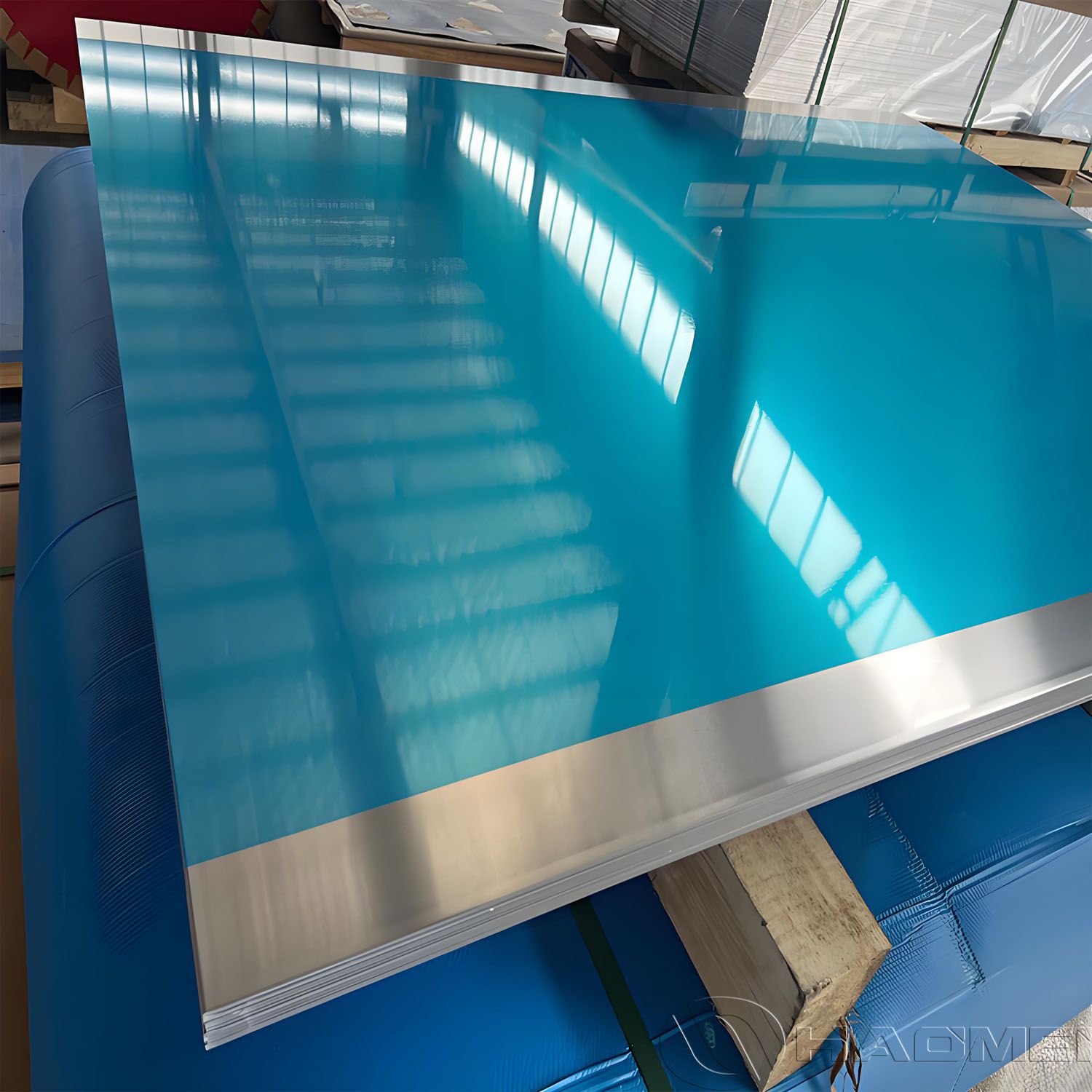
Advantages Compared with Steel Fuel Tanks
Comparison Item | Aluminum Alloy Fuel Tank | Conventional Steel Fuel Tank |
| Weight | Lightweight and beneficial for reducing vehicle weight | Heavy and increases vehicle load |
| Corrosion Resistance | Rust-resistant with good weather resistance | Prone to rust; requires corrosion protection and maintenance |
| Service Life | Good stability and longer service life | More easily affected by corrosion |
| Processing Performance | Easy to bend, weld, and form | Mature processing technology but higher weight |
| Maintenance Cost | Simple maintenance and lower cost | Requires regular rust removal and repainting |
| Appearance | Strong metallic appearance and attractive finish | Susceptible to rust spots and aging |
| Recycling Value | High recycling value | Relatively lower residual value |
| Overall Benefits | Clear benefits in fuel saving, increased payload, and cost reduction | Limited lightweighting advantages |
From a long-term operating perspective, aluminum alloy fuel tanks offer not only better material performance, but also improved economic benefits for vehicle operators.