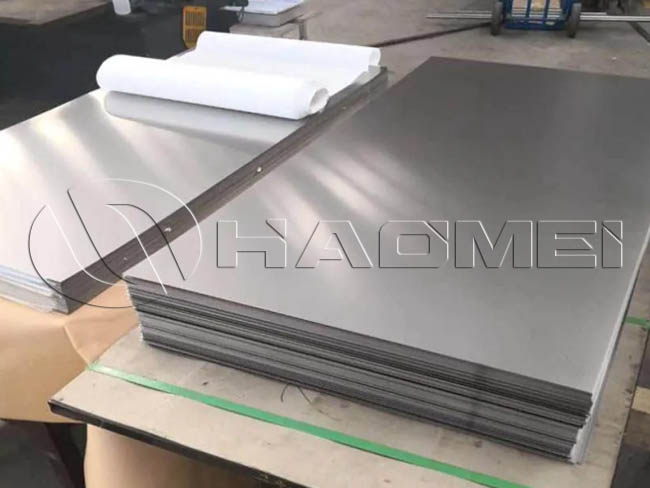
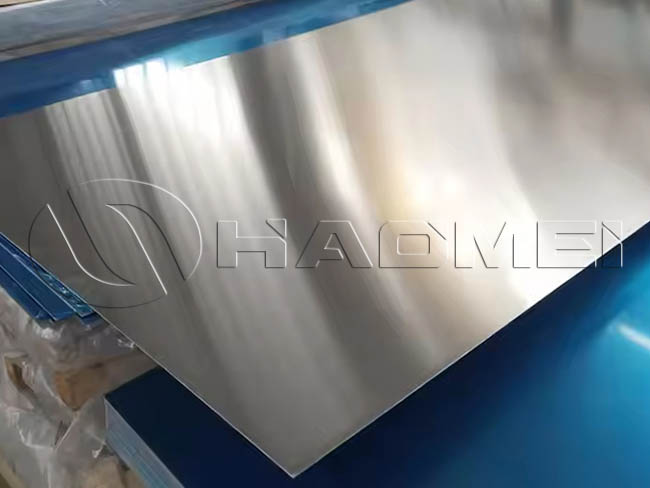
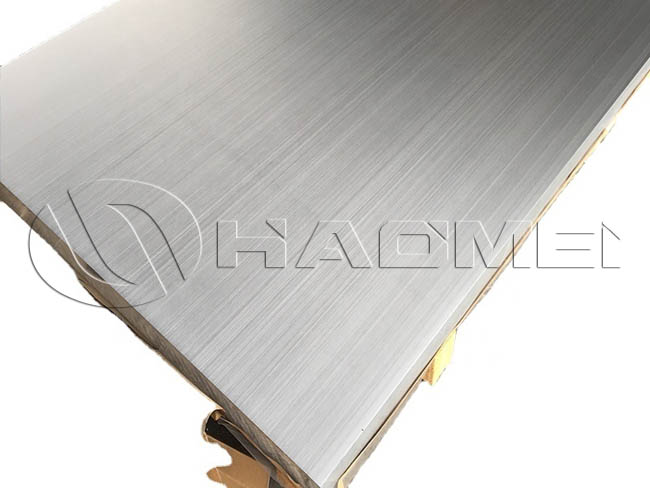
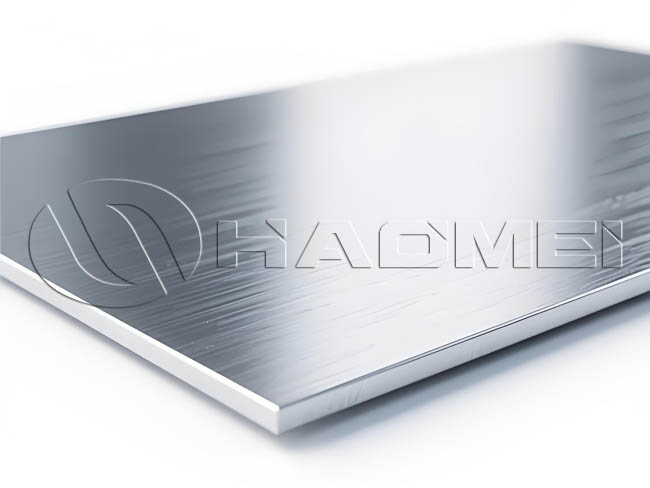
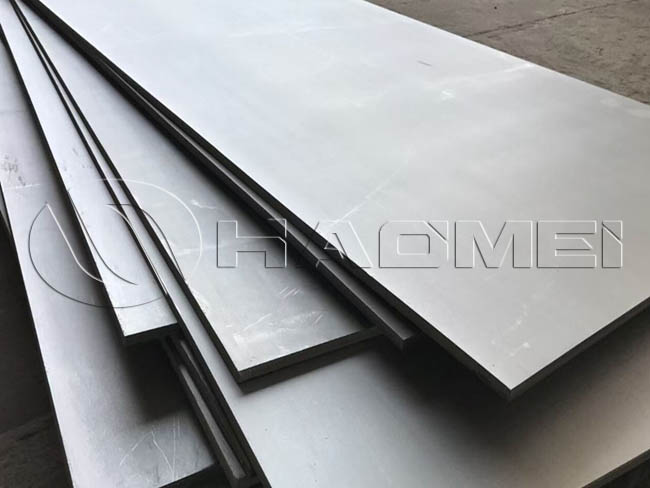
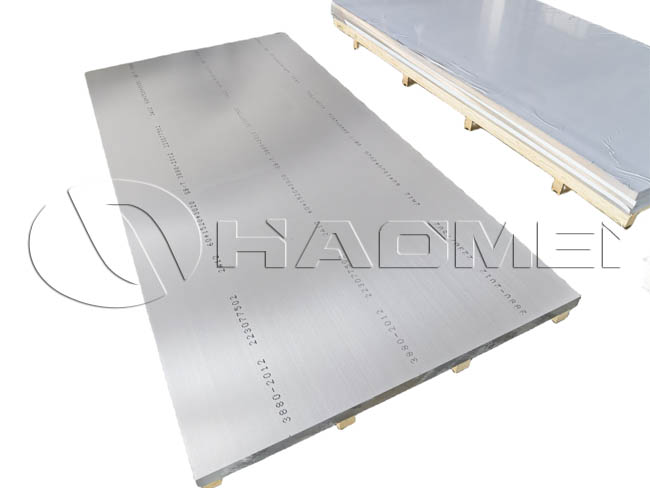
HAOMEI Aluminum supplies 1/4 inch (6.35 mm) thick marine aluminum plates in a variety of alloys, including 5083, 5086, 5052, 5454, 5456, 6061, and 6082. With excellent seawater corrosion resistance, a high strength-to-weight ratio, good weldability, and outstanding fabrication performance, 1/4 inch marine aluminum plate has become an important material for modern aluminum boats, yachts, workboats, fishing vessels, speedboats, and offshore structural components.
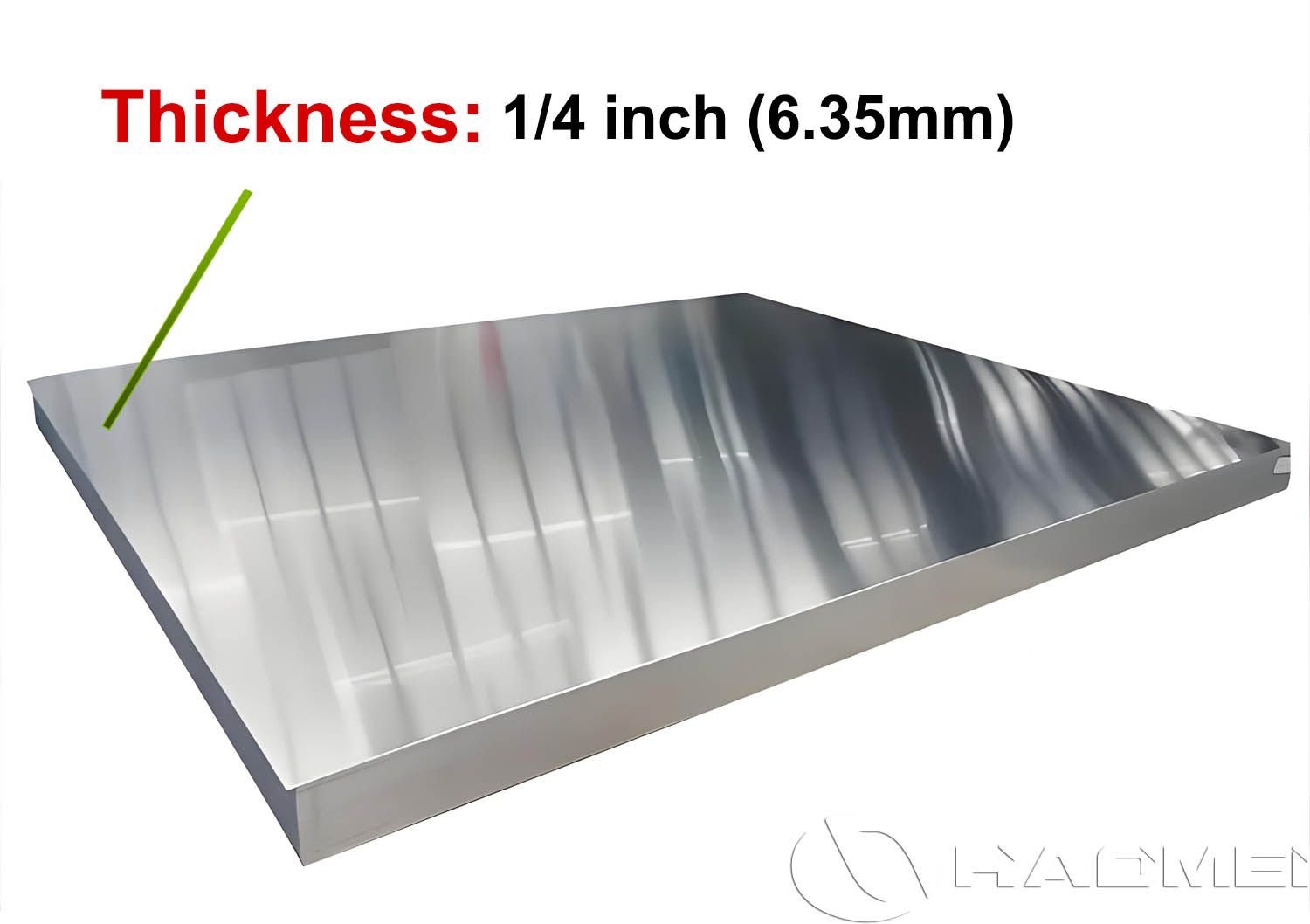
Main Alloy Types for 1/4 Inch Marine Aluminum Sheet
5083 H116 / H321 Marine Aluminum Sheet
5083 aluminum plate is one of the most widely used marine aluminum alloys. Its main components are aluminum, magnesium, and small amounts of manganese. It offers excellent corrosion resistance and good weldability.
It is particularly suitable for major structures directly exposed to seawater, including hull outer plating, decks, and hull side shell plates.
5086 H116 Marine Aluminum Sheet
5086 aluminum plate is also a high-performance marine aluminum alloy. It provides good saltwater corrosion resistance and medium strength.
While its strength is close to that of 5083, 5086 offers better formability. It can be bent and formed into complex curved components more easily, with a lower risk of cracking. It is especially suitable for parts requiring complex shapes.
5086 is also widely used in military equipment, cryogenic equipment, and offshore platforms.
5052 Marine Aluminum Sheet
5052 aluminum-magnesium alloy is also commonly used in shipbuilding. However, its strength is relatively lower, so it is mainly used for small vessels and non-primary load-bearing components, such as marine cable trays.
Common tempers include:
5052-O
5052-H32
5052-H34
Product Specifications
Specification Item | Common Range |
| Nominal Thickness | 1/4 inch |
| Metric Thickness | 6.35 mm |
| Common Widths | 4 ft, 5 ft, 6 ft, and customized widths |
| Common Lengths | 8 ft, 10 ft, 12 ft, 16 ft, and cut-to-length sizes |
| Common Metric Sizes | 1220 × 2440 mm, 1250 × 2500 mm, 1500 × 3000 mm, 1500 × 6000 mm |
| Common Alloys | 5052, 5083, 5086, 5754 |
| Common Tempers | O, H111, H112, H116, H321, H32, H34 |
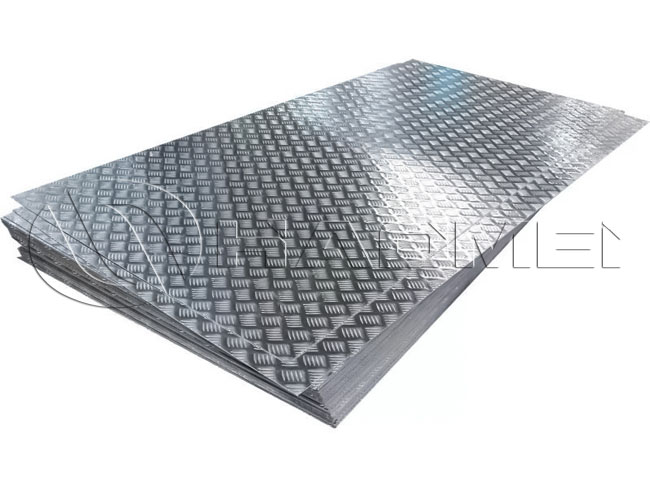
Surface Types | Mill finish, milled surface, protective-film surface, tread/anti-slip surface |
| Supply Forms | Full-size sheets, cut-to-size plates, cut parts, CNC-cut blanks, pre-bent parts |
| MOQ | 3 tons |
Common imperial sizes include:
4 ft × 8 ft × 1/4"
4 ft × 10 ft × 1/4"
5 ft × 10 ft × 1/4"
5 ft × 12 ft × 1/4"
6 ft × 12 ft × 1/4"
Core Advantages of Marine-Grade Aluminum Sheet
1. Lightweight and High Strength
Aluminum has a density of only 2.7 g/cm³, approximately one-third that of steel. Replacing steel with marine aluminum plate can reduce hull weight by approximately 15%–20%.
At the same time, a thickness of 1/4 inch provides adequate structural rigidity. It can resist panel deformation, provide effective thread engagement depth for fasteners, and withstand moderate point loads.
2. Corrosion Resistance
The magnesium content in 1/4 inch marine aluminum plate improves the corrosion resistance of the alloy. It maintains stable performance in seawater and salt-spray environments, effectively extending the service life of the hull.
3. Welding and Fabrication Performance
Marine-grade aluminum plate offers excellent weldability and supports multiple welding methods, including MIG and TIG welding. Welds have high strength and are less likely to crack.
At 6.35 mm thick, marine aluminum plate provides an ideal balance between strength and processing convenience. It can be machined by CNC equipment, waterjet cutting, and plasma cutting, while also allowing precise forming with press brakes. This thickness can be readily handled by the equipment commonly available in shipyards.
4. Cryogenic Toughness
Marine aluminum plate maintains excellent toughness even in extremely low-temperature environments down to -196°C. This property makes it particularly suitable for demanding applications such as LNG carrier cargo tanks and polar research vessels.
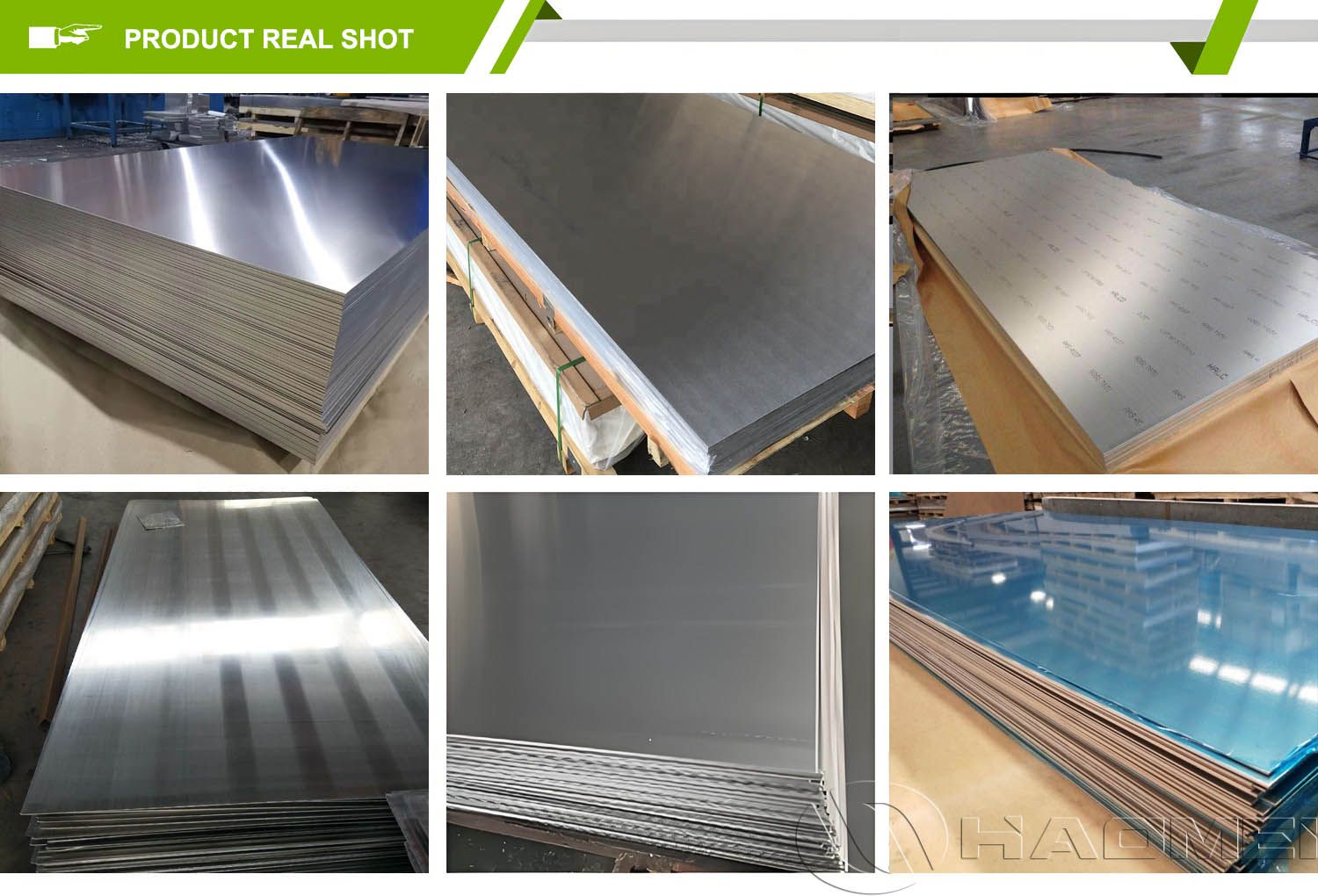
Applications of 1/4" Marine-Grade Aluminum Plate
Hull outer plating and decks: Used as major hull structural materials to withstand seawater corrosion and wave impact.
Engine foundations and equipment bases: Supports power equipment by combining high strength with low weight.
Bulkheads and superstructures: Maintains structural strength while effectively controlling the vessel’s center of gravity.
Yachts and high-speed vessels: Takes full advantage of lightweight construction to improve speed and fuel efficiency.
Pressure vessels and LNG storage tanks: Suitable for demanding service conditions due to excellent cryogenic toughness and corrosion resistance.
Offshore platforms and marine facilities: Provides long-lasting corrosion resistance in offshore environments.
Classification Certification and Quality Assurance
High-quality marine aluminum plates can be supplied with international classification society certifications according to customer requirements, including:
DNV — Det Norske Veritas
ABS — American Bureau of Shipping
LR — Lloyd's Register
BV — Bureau Veritas
These certifications ensure that the aluminum plates meet the strict requirements for strength, corrosion resistance, and reliability in shipbuilding applications.