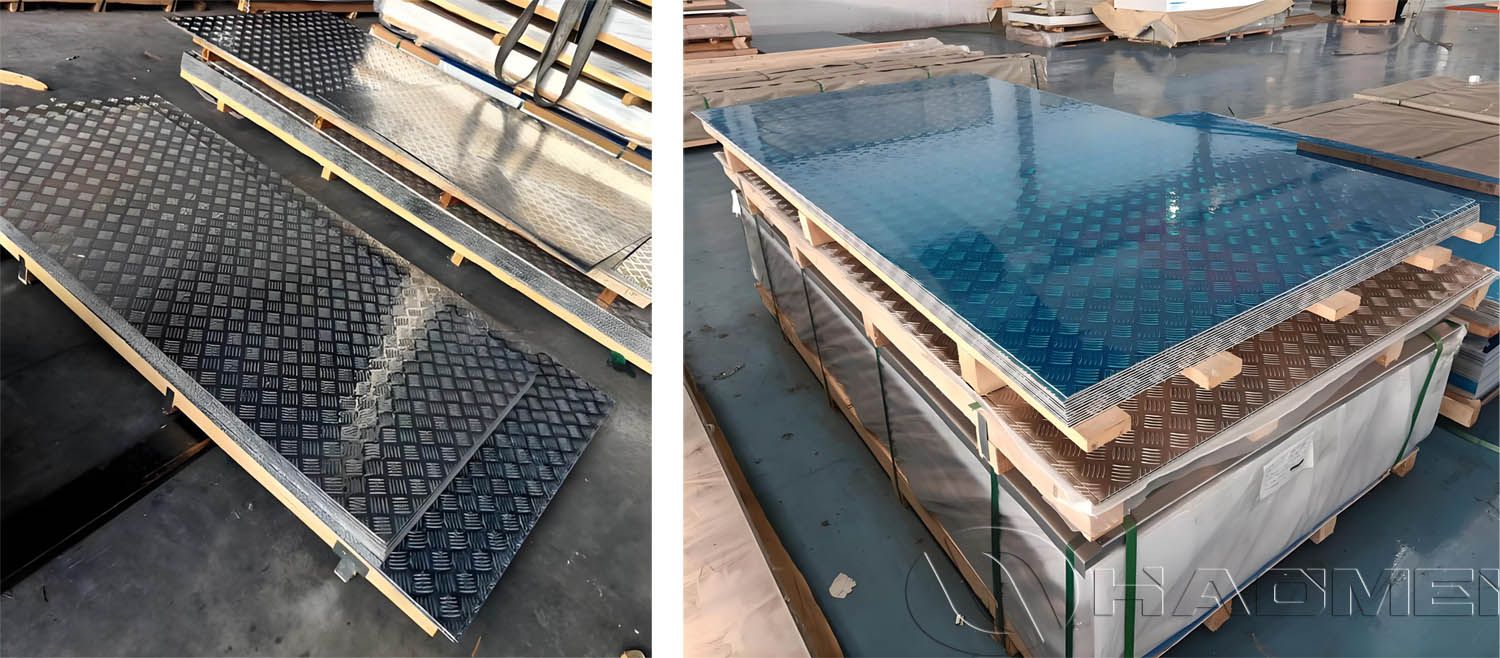
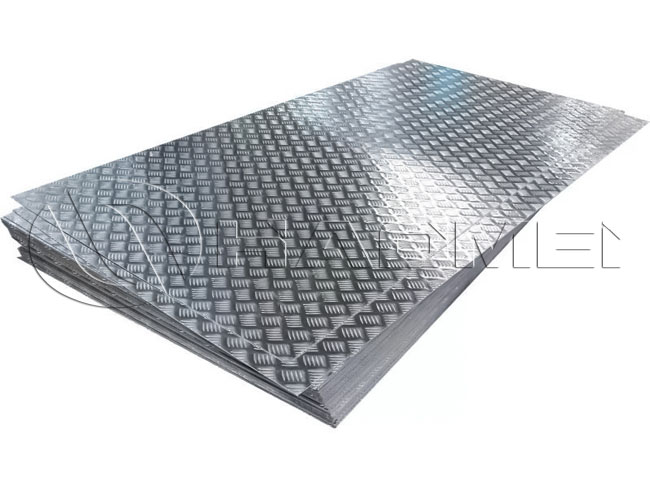
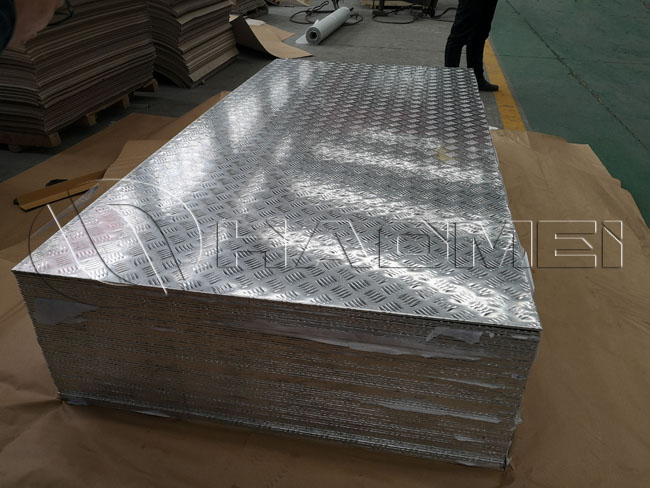
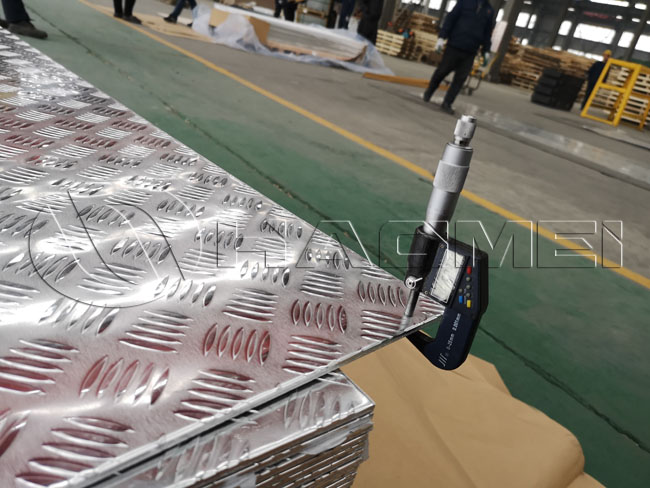
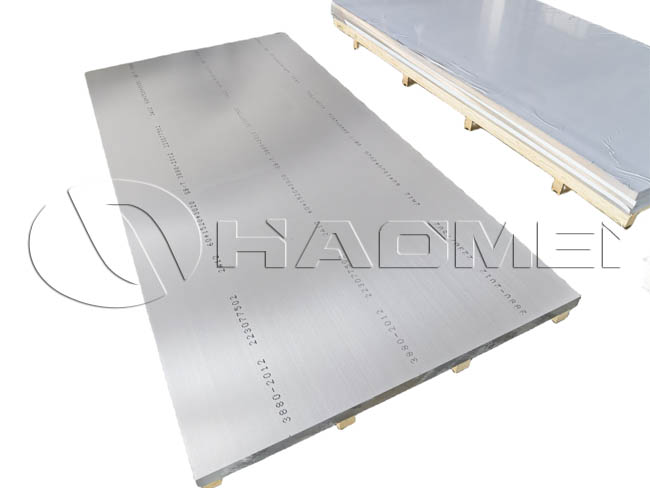
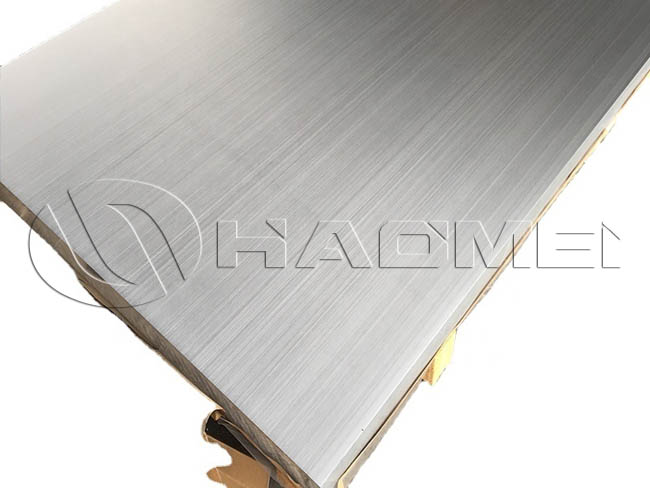
Marine-grade aluminum tread plate, also known as marine aluminum checkered plate, is a functional aluminum alloy sheet specially designed for shipbuilding, marine engineering, and water-based equipment applications. Regular raised patterns are embossed on the surface of the aluminum plate, improving both its decorative appearance and, more importantly, its slip resistance and structural safety.
Compared with ordinary aluminum sheet, marine checkered aluminum plate is generally manufactured from marine-grade alloys such as 5083, 5052, 5086, and 5454. It offers excellent seawater corrosion resistance, relatively high strength, good weldability, and low maintenance costs. Its lightweight properties make it an important material for the deck systems of modern aluminum vessels, yachts, fishing boats, workboats, and offshore platforms.
Common Alloys
Marine aluminum checkered plate is mainly made from 5xxx series aluminum-magnesium alloys, particularly 5083, 5052, and 5086. The 5xxx series is currently among the most widely used and promising aluminum alloy groups for marine applications.
5083 Aluminum-Magnesium Alloy
5083 aluminum alloy is the premium choice for marine aluminum tread plate. It contains 4.0%–4.9% magnesium and is a non-heat-treatable alloy.
5083 checkered aluminum plate offers high strength, excellent corrosion resistance, and good weldability. It is commonly used for ship decks, vehicle floors, and other humid-environment applications. As one of the strongest non-heat-treatable aluminum alloys, 5083 delivers highly reliable performance within its recommended service temperature range, below 65°C.
5052 Aluminum-Magnesium Alloy
5052 aluminum alloy contains 2.2%–2.8% magnesium and 0.15%–0.35% chromium. Chromium helps refine the grain structure and reduce the risk of stress corrosion cracking.
5052 checkered aluminum plate provides medium strength and excellent formability, with outstanding performance in chloride-rich marine environments. Due to its excellent corrosion resistance and anti-rust properties, it is frequently used for ship decks and similar marine applications.
5086 Aluminum-Magnesium Alloy
5086 aluminum alloy contains 3.5%–4.5% magnesium. It offers good formability, corrosion resistance, and weldability, and is commonly used to manufacture vessel hulls, decks, control consoles, and related components.
Common Tread Patterns and Selection Guide
Different pattern designs vary in slip resistance, cleaning convenience, and visual appearance.
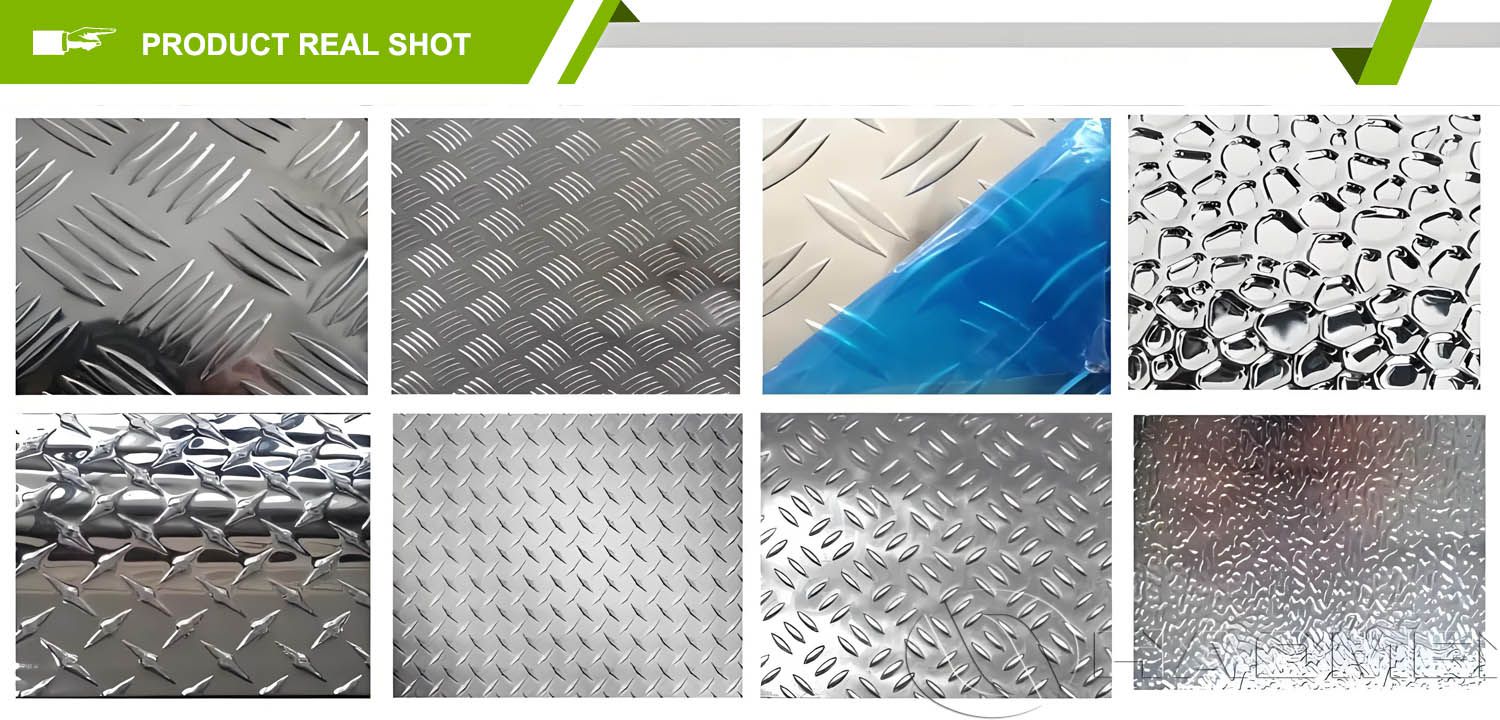
Five-Bar Tread Pattern
The five-bar pattern is one of the most common designs on the market and provides a very high level of slip resistance. Five parallel raised bars are arranged in an alternating cross pattern, delivering strong traction. It is widely used for engine-room walkways, working decks, and stair treads.
Diamond / One-Bar Pattern
Diamond-pattern or one-bar tread plate features a clean, streamlined design. In addition to good anti-slip performance, it is less likely to collect mud, sand, or debris and is easy to rinse and clean. It is commonly used on passenger vessel decks and yacht walkways.
Lentil / Orange-Peel Pattern
Lentil-pattern and orange-peel-pattern aluminum plates have a relatively smoother texture and an attractive appearance. They are often used for interior foot panels, decorative anti-slip surfaces, and other marine interior applications.
The raised pattern height is generally about 1 mm, providing a high coefficient of friction. In wet conditions, its slip resistance can be more than 30% higher than that of plain aluminum sheet. The raised patterns also help disperse liquids and debris, further reducing slipping risks in wet marine environments.
Main Features of Marine Aluminum Checkered Sheet
1. Physical Anti-Slip Performance for Improved Safety
Marine tread aluminum plate features raised patterns formed through precision embossing. These patterns significantly increase surface friction. Even under wave motion, standing water, or oil contamination on decks, the plate provides excellent traction and helps prevent slips and falls by crew members and passengers.
2. Seawater Corrosion Resistance
A dense oxide film naturally forms on the aluminum surface, effectively blocking chloride-ion attack from seawater. Compared with ordinary steel plate, aluminum alloy requires less frequent rust-prevention maintenance, helping reduce long-term vessel operating costs.
3. Lightweight Advantage
Aluminum has a density of approximately one-third that of steel. Marine checkered aluminum plate weighs approximately 7 kg per square meter, depending on thickness and pattern design.
Replacing conventional steel decks with aluminum tread plate can effectively reduce vessel weight, improve fuel efficiency, and increase payload capacity. The low density of aluminum alloy also helps reduce the overall weight of marine structures.
4. Excellent Fabrication and Weldability
Marine aluminum tread plate supports a range of fabrication processes, including cutting, bending, and stamping. It can be processed into various shapes and sizes to meet different application requirements.
5. Decorative Appearance
In addition to its anti-slip function, checkered aluminum plate provides a metallic finish and regular textured pattern that can enhance the appearance of boat decks, working platforms, and equipment enclosures.
Marine Anti-Slip Aluminum Plate Specifications
| Item | Specification |
| Product Name | Marine Aluminum Tread Plate |
| Common Alloys | 5052, 5083, 5086, 5454 |
| Thickness | 2–10 mm |
| Width | 1000–2500 mm |
| Length | 2000–6000 mm, customizable |
| Pattern Types | Five-bar, one-bar, pointer pattern, orange-peel pattern |
| Tempers | H22, H24, H32, H116 |
| Pattern Height | Typically 0.8–1.5 mm |
| Standards | ASTM B209, EN 485 |
| Certifications | CCS, DNV, ABS, LR, and other classification society certifications |
| MOQ | 3 tons |
Applications
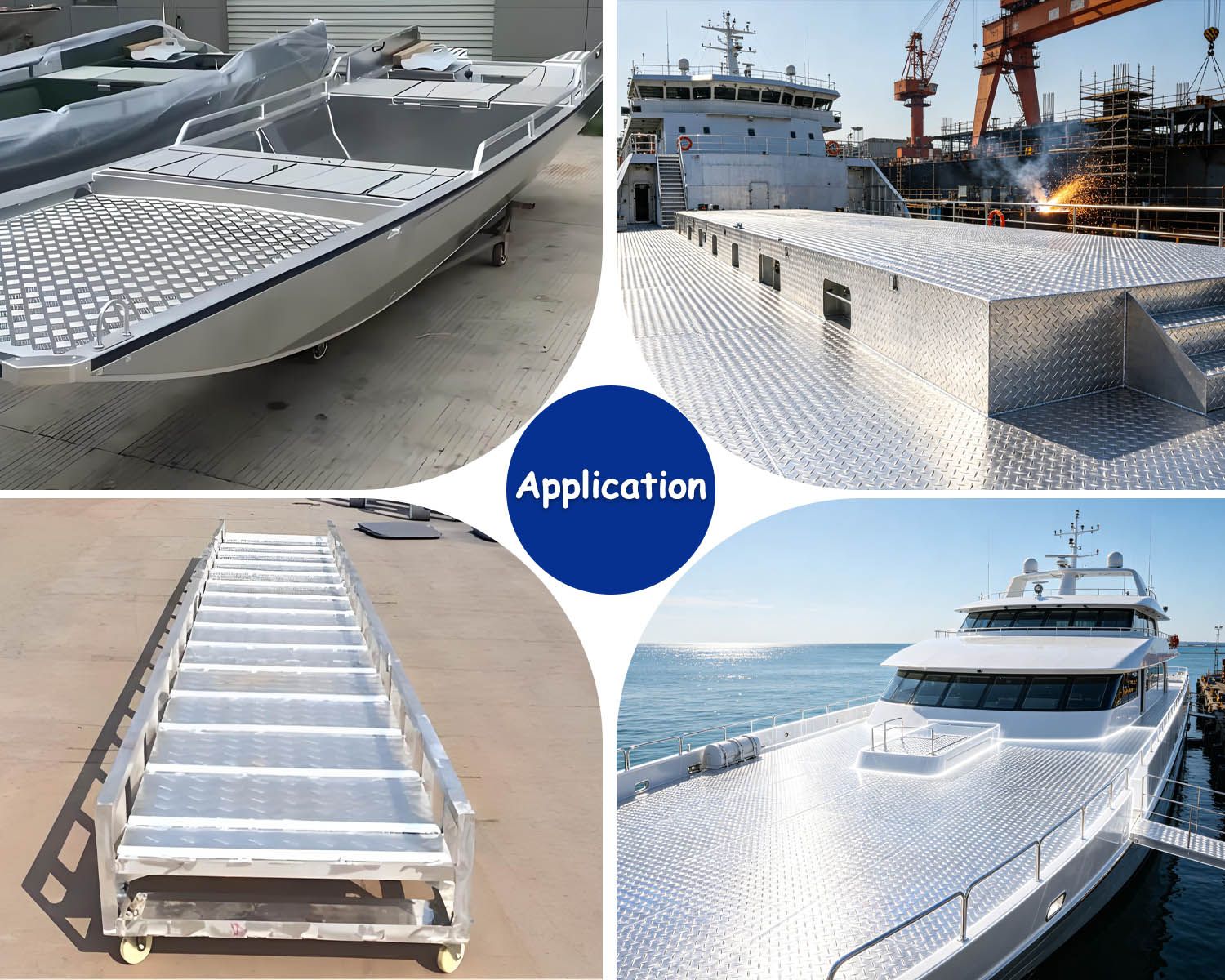
Marine decks: Deck coverings, anti-slip steps, balcony railings, and stern platforms.
Hull structures: Hull outer plating, decks, bulkheads, and linings.
Marine interior finishing: Interior walls, partitions, ceilings, and cabinet panels.
External marine equipment: Generator covers, cooler covers, fuel tank housings, and other equipment enclosures.
Export References
The following marine aluminum tread plate export cases are provided for reference during quotation requests and technical discussions:
Australia: 5052-H32 marine five-bar tread aluminum plate, 4 ft × 8 ft, 3 mm base thickness, used for fishing boat decks and boarding steps.
Singapore: 5083-H116 marine-grade aluminum checker plate, 5 mm thick, 1500 × 3000 mm, used for working decks on nearshore workboats.
South Korea: 5086-H116 marine aluminum checkered plate with a 6.35 mm base thickness and diamond anti-slip surface, used for fishing boat stern platforms and heavy-duty walkways.
Canada: 5754-H111 anti-slip checkered aluminum plate, 2.5 mm thick, 1220 × 2440 mm, used for marine storage compartment covers and equipment inspection covers.