In aluminum alloy hull structures, the keel is one of the most important load-bearing components. Acting as the "spine" of the vessel, it runs along the bottom of the hull and performs key functions, including providing longitudinal strength, transferring local loads, reducing leeway and directional instability caused by side winds, supporting the hull bottom, and maintaining overall structural stability.
With the growing demand for lighter, faster, and more durable vessels, marine-grade aluminum plate has increasingly replaced traditional heavy steel and wood materials. It has become a core material for keel construction in yachts, Ro-Ro passenger vessels, patrol boats, and various high-speed craft.
Why Are Aluminum Alloys Preferred for Ship Keels?
1. Extreme Lightweight Performance and Lower Energy Consumption
Aluminum has a density of approximately 2.7 g/cm³, or about one-third that of steel. Aluminum alloy keels can significantly reduce vessel displacement and draft, improve speed and fuel efficiency, and increase effective payload capacity.
2. Excellent Marine Corrosion Resistance
Marine aluminum alloys, especially 5000 series Al-Mg alloys, rapidly form a dense and hard aluminum oxide (Al₂O₃) protective film in seawater and salt-spray environments. This film provides excellent resistance to pitting corrosion and intergranular corrosion, greatly extending the service life of the keel.
3. High Strength-to-Weight Ratio and Excellent Impact Resistance
Through alloying and controlled processing, marine aluminum plates achieve a strength-to-weight ratio superior to that of ordinary structural steel. When exposed to wave impacts, bending stress, or occasional grounding, aluminum alloys provide good toughness and energy absorption capability.
4. Good Fabrication and Weldability
Aluminum plates are easy to cut, form, and bend. They also offer excellent airtight welding performance through TIG welding, MIG welding, and friction stir welding (FSW), enabling precise fabrication of complex keel profiles and connections with internal stiffeners.
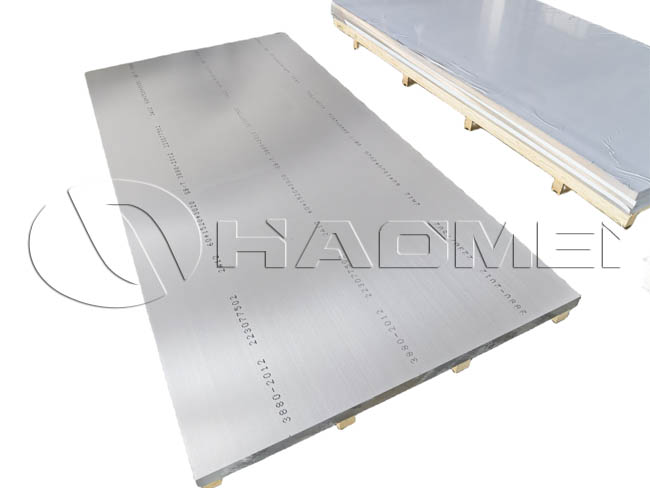
Marine Aluminum Plate Specifications
| Item | Parameter Range |
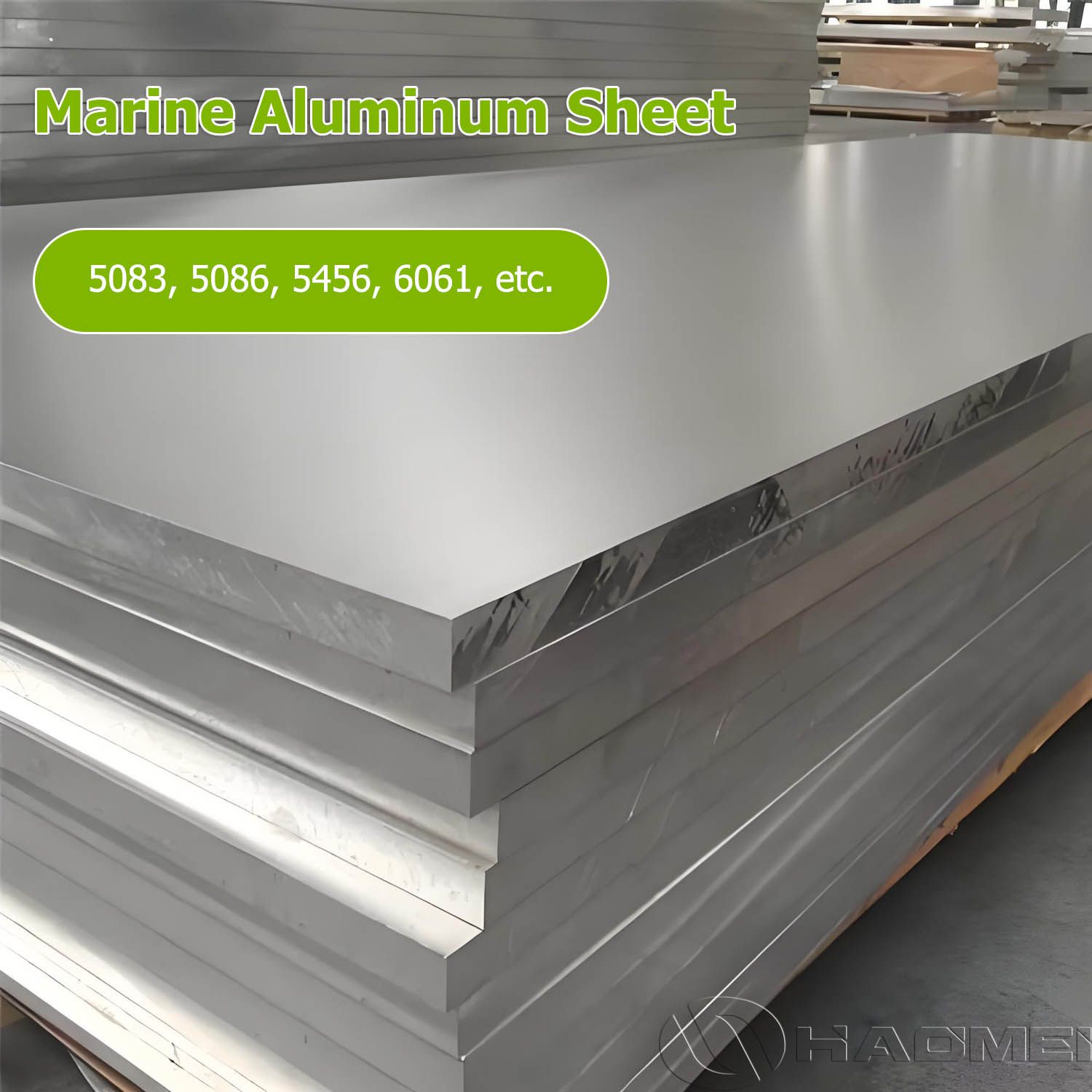
| Alloys | 5083, 5086, 5456, 6061, etc. |
| Thickness | 3–50 mm |
| Width | 1000–3100 mm |
| Length | 2000–12000 mm |
| Tempers | H111, H116, H321, T6 |
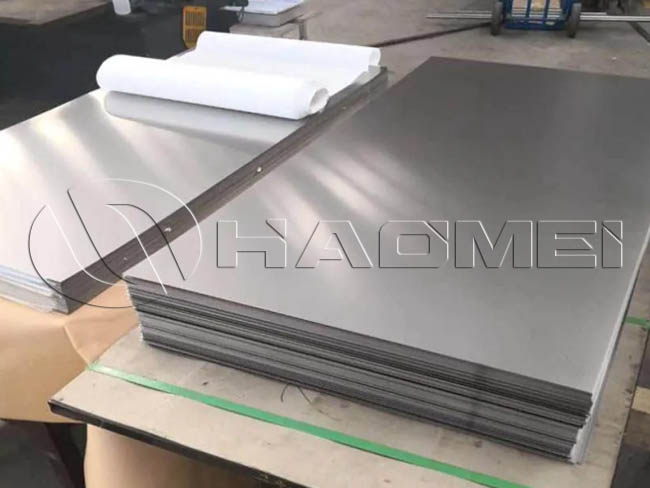
| Surface | Brushed, milled, or leveled finish |
| Standards | ASTM B209, EN 485, classification society standards |
| MOQ | 3 tons |
Common Aluminum Alloy Grades and Tempers for Ship Keels
In shipbuilding, keel components have extremely demanding requirements for material strength and corrosion resistance. The primary alloys are concentrated in the 5000 series corrosion-resistant aluminum alloys and the 6000 series structural aluminum alloys.
Alloy Grade | Common Tempers | Key Performance Features | Typical Keel Applications |
| 5083 | H116 / H321 | The "gold standard" for marine aluminum plate. A high-magnesium alloy with excellent seawater corrosion resistance, strong weld strength, and excellent intergranular corrosion resistance. | Main keels, flat keels, bottom-plate connection components, and structures for medium and large hulls. |
| 5086 | H116 / H111 | Slightly lower strength than 5083, but better formability and toughness, with very high resistance to stress corrosion cracking. | Complex curved keels, side girders, and internal bottom longitudinal members. |
| 5456 | H116 / H321 | A higher-strength alloy within the 5000 series, offering excellent tensile and yield strength. | Keel structures in high-stress areas, high-speed boats, and military patrol vessels. |
| 6061 / 6082 | T6 / T651 | Heat-treatable 6000 series alloys with high yield strength, commonly supplied as extrusions or thick plates. | Keel I-beams, reinforced keel frames, and structural connectors. Post-weld strength reduction should be considered. |
Common Sizes of Aluminum Plate for Ship Keels
The thickness, width, and length of aluminum plate for ship keels should be determined according to vessel type, vessel length, design speed, load rating, operating waters, and classification society requirements.
Common thickness ranges include:
3–6 mm: Small yachts, speedboats, and localized structural components in lightweight hulls.
6–12 mm: Small and medium fishing boats, workboats, patrol boats, hull bottoms, and framing structures.
12–25 mm: Large hulls, main keels, reinforced structures, and high-load areas.
Over 25 mm: Special vessels, large structural components, heavy-load connection areas, and customized engineering structures.
Widths and lengths can be customized according to shipyard equipment and nesting requirements. Common widths include 1000 mm, 1250 mm, 1500 mm, 1800 mm, and 2000 mm. Standard lengths and cut-to-length services are available.
It should be emphasized that keel plate thickness must not be selected solely based on experience. Hull structural design must be determined according to vessel drawings, load calculations, classification society requirements, and actual operating conditions.
For classed vessels or export vessels, certified marine-grade aluminum alloy plates that meet applicable approval requirements should be selected.
Applications of Aluminum Plate in Ship Keels
1. Main Keel Structure
Aluminum plates can be used to manufacture the main keel structure. Their lightweight nature and high strength help reduce vessel weight while maintaining the required stiffness and structural stability. This is particularly beneficial for large vessels and high-speed boats that require greater strength and stability.
2. Keel Support Structures
Aluminum plates can also be used to manufacture keel support structures, such as keel support plates and support columns. These components provide additional support and help ensure keel stability.
3. Keel Connecting Components
Aluminum plates may be used to fabricate keel connecting components, including keel connection plates and bolted joint components. These connectors ensure that all sections of the keel are securely joined, improving the overall structural stability of the keel system.
4. Keel Protection Structures
Aluminum plates can be used to manufacture keel protection components, such as protective plates and collision guards. These structures help protect the keel against external impact and damage, thereby improving vessel safety.