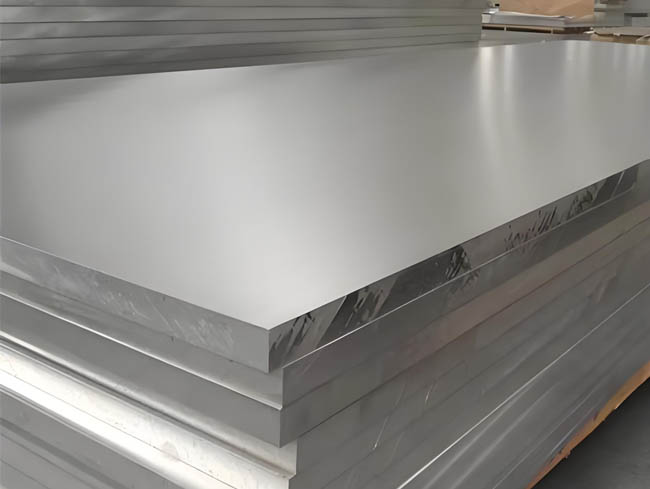
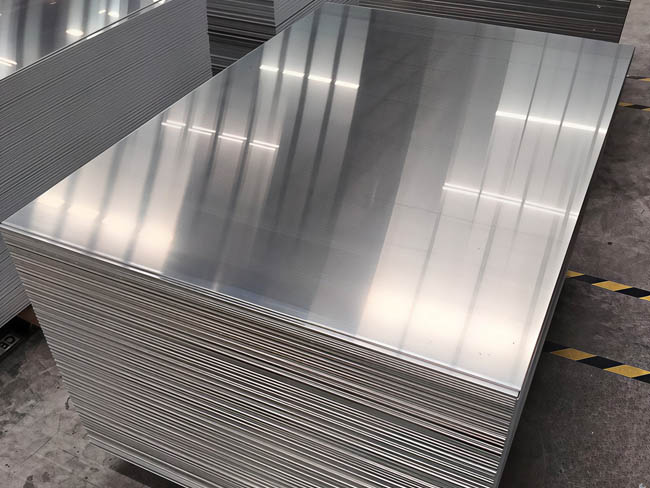
In modern manufacturing, construction, and transportation industries, aluminum alloy sheet has become an essential basic material due to its lightweight properties, high strength-to-weight ratio, excellent corrosion resistance, and good workability.
However, with dozens of aluminum alloy grades available on the market—from the 1000 series to the 7000 series, including 1060, 3003, 5052, 5083, 6061, and 7075—as well as different tempers such as O, H, and T, many buyers and product designers face challenges in material selection:
"Which grade should be selected if the material needs to be bent without cracking while maintaining a certain level of strength?"
"Which aluminum grade provides the best seawater corrosion resistance for coastal or marine environments?"
"How can deformation after machining be minimized when producing high-precision CNC machined parts?"
Choosing the right alloy grade can significantly improve the performance and service life of end products while effectively controlling raw material and processing costs. This guide provides a systematic overview of the properties and applications of mainstream industrial aluminum sheets, helping you quickly identify the most suitable alloy solution.
What Do the Numbers in Aluminum Sheet Grades Mean?
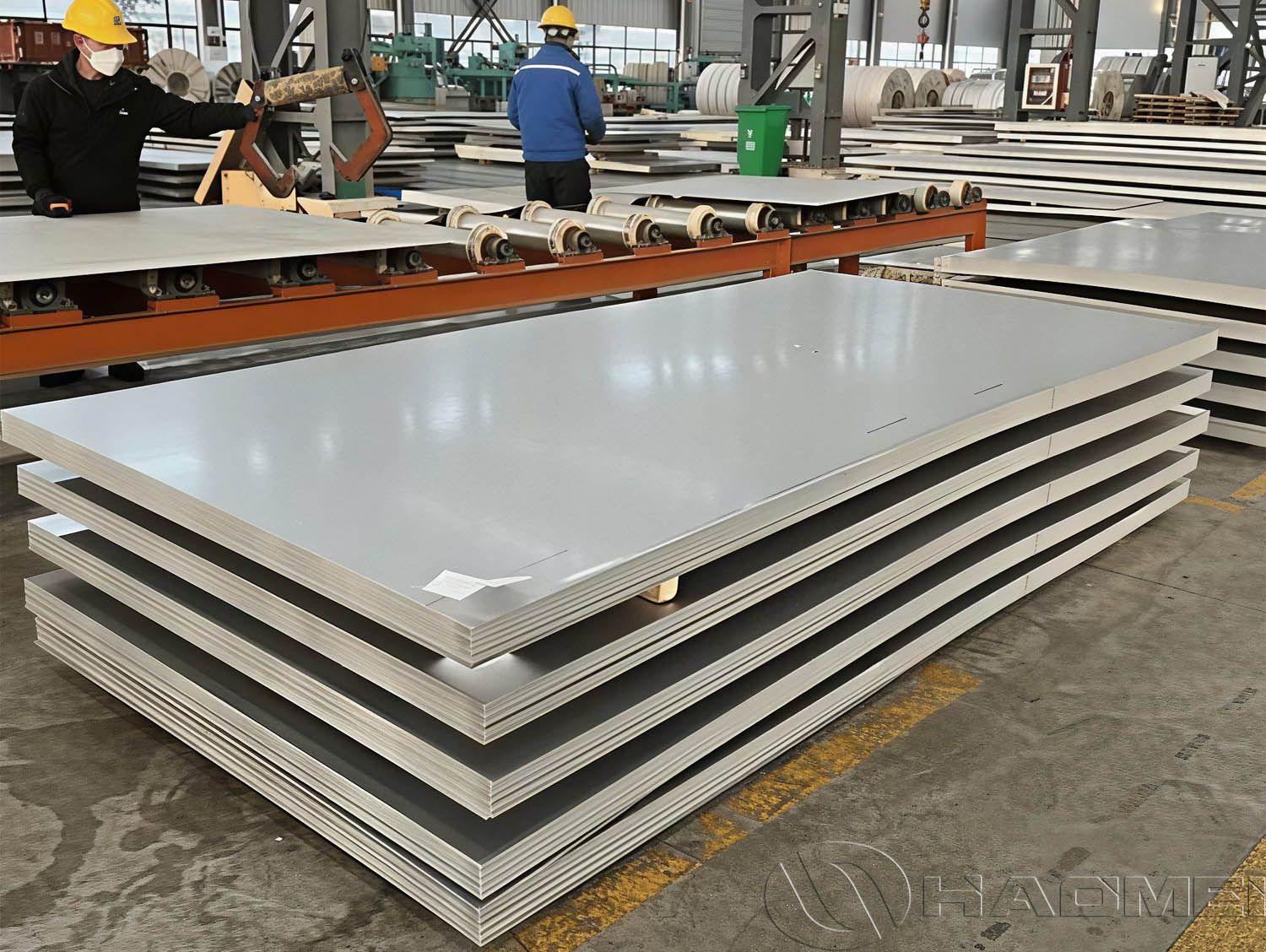
Aluminum sheets are generally classified from the 1000 series to the 7000 series according to the international aluminum alloy designation system. The primary alloying elements determine the differences in strength, corrosion resistance, weldability, workability, and application fields.
Common aluminum sheet series include:
1000 Series: Pure aluminum sheet
3000 Series: Aluminum-manganese alloy sheet
5000 Series: Aluminum-magnesium alloy sheet
6000 Series: Aluminum-magnesium-silicon alloy sheet
7000 Series: Aluminum-zinc alloy sheet
Understanding the basic characteristics of each series is the first step in selecting the right aluminum sheet.
1000 Series Aluminum Sheet: Industrial Pure Aluminum
Common grades: 1050, 1060, 1070, 1100
The aluminum content of 1000 series aluminum alloys is generally no less than 99.0%. They offer good electrical conductivity, thermal conductivity, corrosion resistance, and formability.
Compared with high-strength structural aluminum alloys, 1000 series aluminum sheets have relatively lower strength. However, they offer clear advantages in applications requiring high electrical conductivity, chemical stability, and excellent processing performance.
1050: Aluminum content ≥99.50%. A versatile and cost-effective grade suitable for signs, nameplates, heat sinks, insulation cladding, and flexible connection materials.
1060: Aluminum content ≥99.60%. One of the most widely used grades, with stable stamping, bending, and welding performance. Commonly used for heat dissipation components, decorative applications, and conductive parts.
1070: Aluminum content ≥99.70%. Ultra-high purity with better electrical and thermal conductivity. Preferred for transformers, capacitors, busbars, and battery-related conductive substrates.
1100: Aluminum content ≥99.00%. Excellent formability, suitable for complex deep drawing, chemical corrosion-resistant linings, and decorative panels.
Common tempers: O, H14, H18
Thickness range: 0.2–200 mm
3000 Series Aluminum Sheet: Aluminum-Manganese Alloy
Common grades: 3003, 3004, 3005, 3105
The 3000 series uses manganese as its primary alloying element. It is generally a non-heat-treatable aluminum alloy with good corrosion resistance, formability, and moderate mechanical strength.
Compared with pure aluminum, 3000 series aluminum sheet offers higher strength while maintaining good processing performance.
3003: The most commonly used grade, featuring corrosion resistance and easy bending. Suitable for sheet metal fabrication, fuel tanks, air ducts, air conditioner fins, color-coated substrates, and container interiors.
3004: Higher strength and excellent deep-drawing performance. Commonly used for beverage cans, energy storage enclosures, pressure vessels, and closure panels.
3105: Commonly used in construction materials, roofing sheets, and wall cladding.
3A21: Offers stable rust resistance and is widely used in aircraft fuel tanks, pipelines, and outdoor sheet metal structures.
5000 Series Aluminum Sheet: Aluminum-Magnesium Alloy
Common grades: 5052, 5083, 5086, 5454, 5754, 5005
The 5000 series uses magnesium as its main alloying element and is a non-heat-treatable aluminum alloy. It is widely recognized as a marine-grade, corrosion-resistant aluminum sheet.
Its strength is significantly higher than that of 3003 aluminum alloy. It offers excellent resistance to salt spray and seawater corrosion, minimal property loss after welding, and stable bending and stamping performance. It is an ideal choice for marine applications, vehicle manufacturing, and seawater environments.
How to Select Common 5000 Series Aluminum Sheet Grades
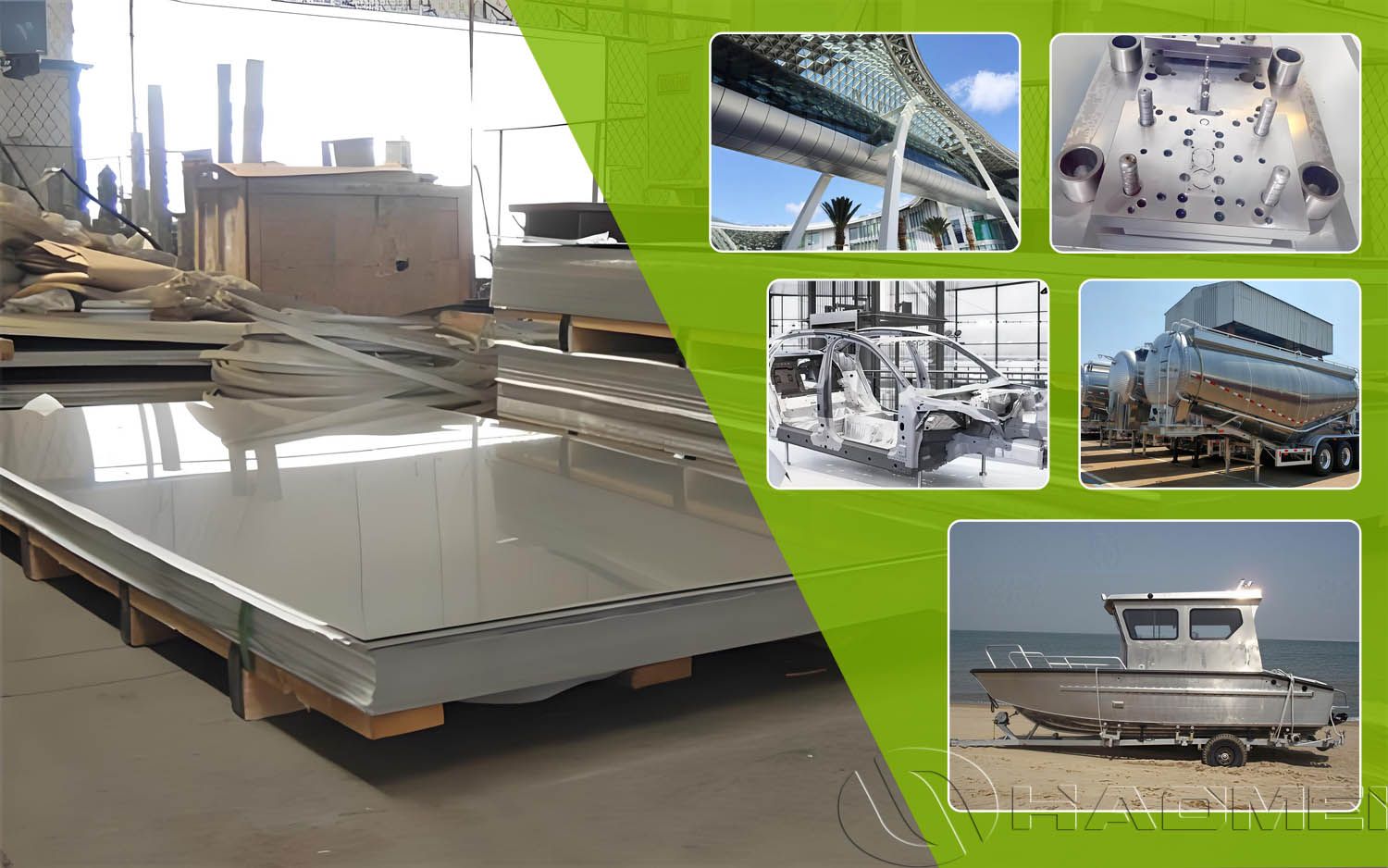
5052 Aluminum Sheet: Suitable for automotive panels, enclosures, fuel tanks, and general sheet metal processing.
5083 Aluminum Sheet: Commonly used for ship hulls, offshore engineering structures, and welded structures requiring high strength and corrosion resistance.
5086 Aluminum Sheet: Suitable for marine structures, transportation equipment, and welded products.
5454 Aluminum Sheet: Suitable for pressure vessels, tanker trucks, and equipment operating under specified temperature conditions.
5754 Aluminum Sheet: Commonly used for automotive parts, vehicle flooring, and industrial processing.
5005 Aluminum Sheet: Commonly used in architectural decoration, anodizing applications, and products requiring excellent surface appearance.
If your project involves seawater exposure, welded structures, or transportation equipment, 5000 series aluminum alloys should be a primary consideration.
Common tempers: H32, H112, H116, O
6000 Series Aluminum Sheet: Aluminum-Magnesium-Silicon Alloy
Common grades: 6061, 6063, 6082
The 6000 series uses magnesium and silicon as its main alloying elements and can be strengthened through heat treatment. It is widely used in structural engineering and machinery manufacturing.
These alloys combine good strength, corrosion resistance, machinability, and weldability.
6061: The most widely used grade, with balanced strength and stable overall performance. Common applications include equipment frames, tooling fixtures, jigs, base plates, automation modules, precision machined parts, and general structural components.
6063: Offers excellent anodizing performance and a fine surface finish. It is widely used for decorative profiles, decorative panels, curtain walls, and frames. Its strength is slightly lower than that of 6061.
6082: Offers higher strength within the 6000 series and is suitable for heavy-duty structures, construction machinery, rail transportation, and automotive load-bearing brackets.
Common tempers: T5, T6, O, H112
7000 Series Aluminum Sheet: High-Strength Aluminum Alloy
Common grades: 7075, 7050, 7475
The 7000 series uses zinc as its primary alloying element and provides very high strength. After proper heat treatment, some 7000 series alloys achieve mechanical properties significantly higher than those of common 5000 and 6000 series aluminum alloys.
These materials are particularly suitable for applications requiring high structural strength and lightweight performance.
7075 Aluminum Sheet is suitable for:
High-end molds
Aerospace components
Racing parts
High-strength tooling
Precision fixtures and jigs
Comparison of Aluminum Sheet Grades and Applications
Aluminum Series | Common Grades | Main Features | Typical Applications |
| 1000 Series | 1050, 1060, 1100 | High purity, excellent electrical and thermal conductivity, easy processing, relatively low strength | Insulation, decoration, electronics, reflective sheets, stamped parts |
| 3000 Series | 3003, 3004, 3105 | Good corrosion resistance, excellent formability, moderate strength | Cookware, roofing sheets, fuel tanks, storage tanks, air conditioner housings |
| 5000 Series | 5052, 5083, 5754 | Excellent corrosion resistance, good weldability, relatively high strength | Ships, automobiles, storage tanks, curtain walls, sheet metal parts |
| 6000 Series | 6061, 6063, 6082 | Heat-treatable, good overall performance, suitable for machining | Mechanical components, molds, equipment frames, automotive parts |
| 7000 Series | 7075, 7050 | High strength, high hardness, lightweight advantages | Aerospace, molds, high-end equipment, precision mechanical parts |
How to Choose the Right Aluminum Sheet: Five Important Factors
Even for the same alloy grade, aluminum sheets with different tempers, thicknesses, and production processes may have significantly different actual properties.
Before purchasing, it is recommended to focus on the following five factors.
1. Mechanical Strength
Determine the required tensile strength, yield strength, and elongation based on the product design.
For structural parts with high load-bearing requirements, grades such as 5083, 6061, 6082, or 7075 can be considered depending on the specific application.
2. Corrosion Resistance
For marine, outdoor, and chemical environments, corrosion resistance is an important material selection factor.
5000 series aluminum alloys are generally preferred for marine applications, while 1000 and 3000 series alloys are also suitable for many standard corrosion-resistant applications.
3. Formability and Weldability
If the aluminum sheet needs to undergo deep drawing, bending, stamping, or welding, the alloy grade and temper must match the required processing method.
For example, 5052 and 5754 are commonly used for formed components, while 5083 is widely used for welded marine structures.
4. Thickness and Dimensional Tolerances
The thickness, width, length, flatness, and dimensional tolerances of aluminum sheet directly affect production efficiency.
When purchasing, detailed dimensional specifications and tolerance requirements should be provided to ensure compatibility with actual production equipment.
5. Surface Treatment Requirements
Depending on the final application, aluminum sheet may require anodizing, polishing, brushing, painting, or coating.
During material selection, the expected surface treatment process should be considered to ensure the final product achieves the required appearance and performance.
Why Choose HAOMEI Aluminum Sheet?
Choosing a reliable aluminum sheet supplier is just as important as choosing the correct alloy grade. Stable product quality, accurate dimensions, and professional technical support can help reduce purchasing risks and improve manufacturing efficiency.
HAOMEI supplies a wide range of aluminum sheet products for industrial, commercial, marine, automotive, and construction applications.
Our product range includes:
1050, 1060, 1070, and 1100 pure aluminum sheets
3003, 3004, 3005, and 3105 aluminum sheets
5052, 5083, 5086, 5454, and 5754 aluminum sheets
6061, 6063, and 6082 aluminum sheets
7075 and other high-strength aluminum alloy sheets
Marine-grade aluminum sheets and customized aluminum alloy products
We focus on material selection, dimensional accuracy, surface quality, and customized processing services to meet the material requirements of different industries.
According to project specifications, we can provide aluminum sheets in different alloy grades, tempers, thicknesses, widths, lengths, and surface treatment options.
Frequently Asked Questions About Aluminum Sheet Selection
Q1: Which aluminum sheet grade is best for general industrial applications?
A: 6061 aluminum sheet is a common choice for many industrial applications because it offers good strength, machinability, corrosion resistance, and specification flexibility. However, if higher formability is required, 5052 or 3003 aluminum sheet may also be considered.
Q2: Which aluminum sheet is best for shipbuilding?
A: 5083 and 5086 are common marine aluminum alloys with excellent seawater corrosion resistance and good weldability. The specific temper and certification requirements should be determined according to ship design and classification society standards.
Q3: What is the difference between 5052 aluminum sheet and 5083 aluminum sheet?
A: Both are 5000 series aluminum-magnesium alloys with good corrosion resistance. However, 5083 generally has higher strength and is widely used in marine welded structures. 5052 is more commonly used for formed panels, enclosures, storage tanks, and general industrial processing.
Q4: Is 6061 aluminum sheet stronger than 5052 aluminum sheet?
A: Under common conditions such as 6061-T6 and 5052-H32, 6061-T6 generally has higher tensile strength and yield strength. However, 5052-H32 usually offers better formability and is a non-heat-treatable aluminum alloy. The actual comparison should take into account the specific thickness and temper.
Q5: Which aluminum sheet is suitable for CNC machining?
A: 6061-T6 and 6061-T651 are widely used aluminum alloy grades for CNC machining because of their good strength, machinability, and dimensional stability. For precision components requiring higher strength, 7075-T6 or 7075-T651 may be considered.
Q6: Can aluminum sheet thickness and dimensions be customized?
A: Yes. Aluminum sheets can be supplied in different thicknesses, widths, and lengths according to customer project requirements. Cut-to-length services and other processing services can also be provided based on actual needs.