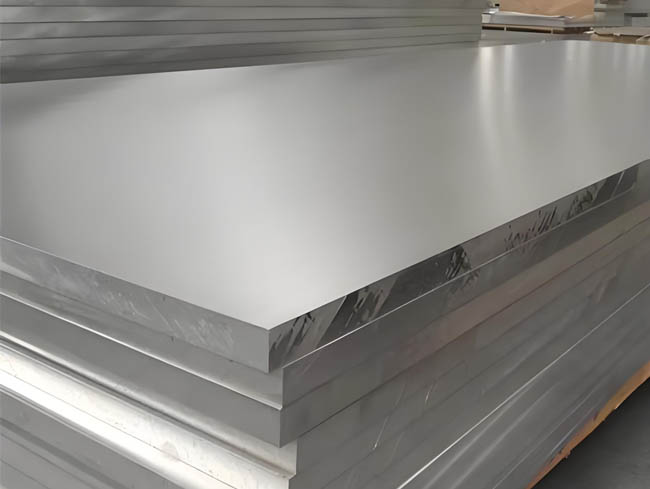
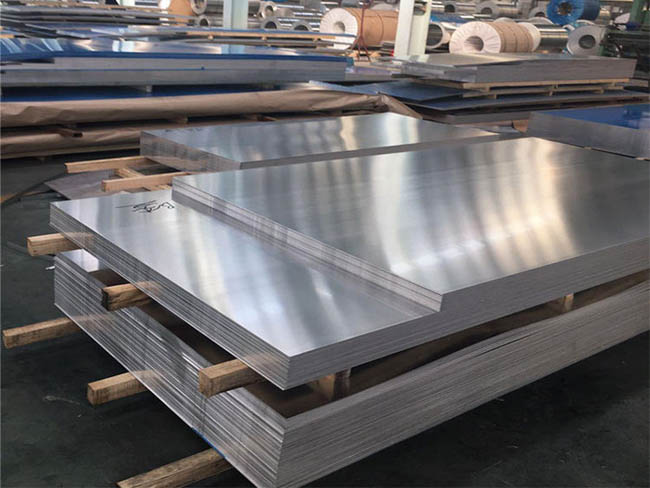
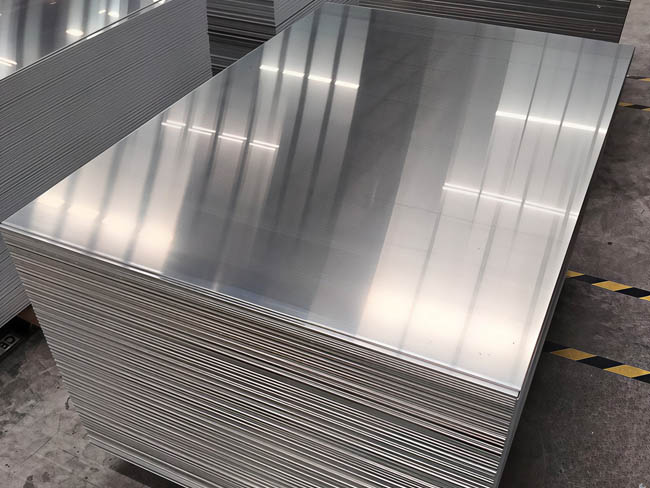
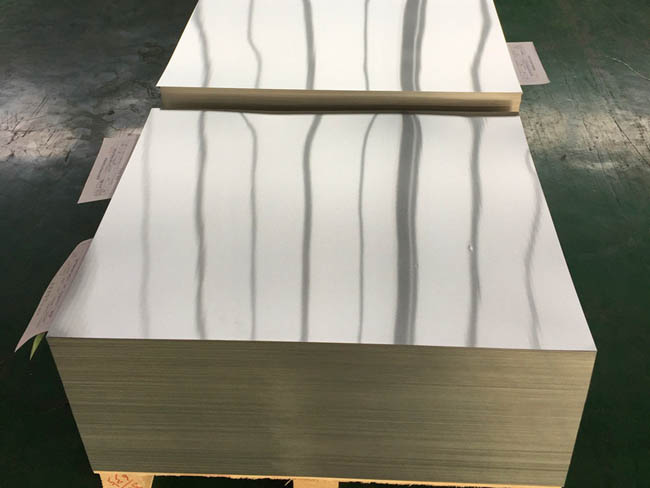
Aluminum plate is one of the most versatile and widely used materials in modern industry. From architectural decoration and transportation to aerospace and marine engineering, aluminum plate is a preferred solution for countless applications worldwide because of its lightweight properties, durability, corrosion resistance, and excellent workability.
This guide systematically introduces the common types of aluminum plate and their suitable applications, helping buyers, fabricators, and end users select the right aluminum material.
What Is Aluminum Plate?
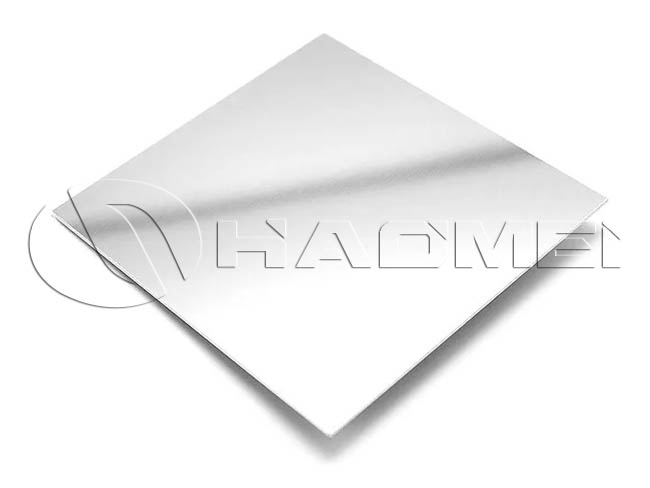
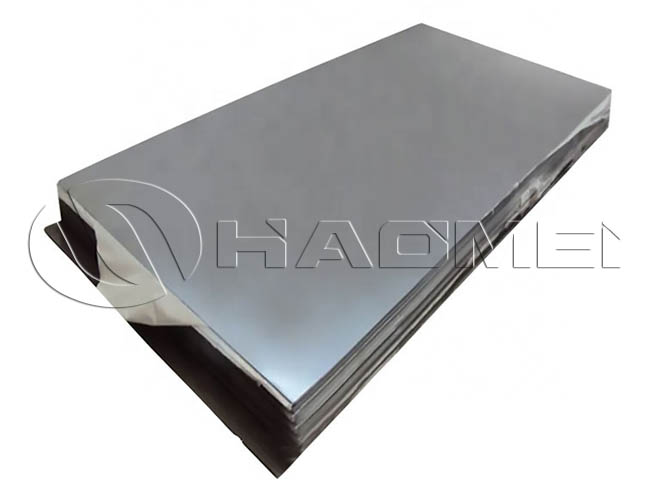
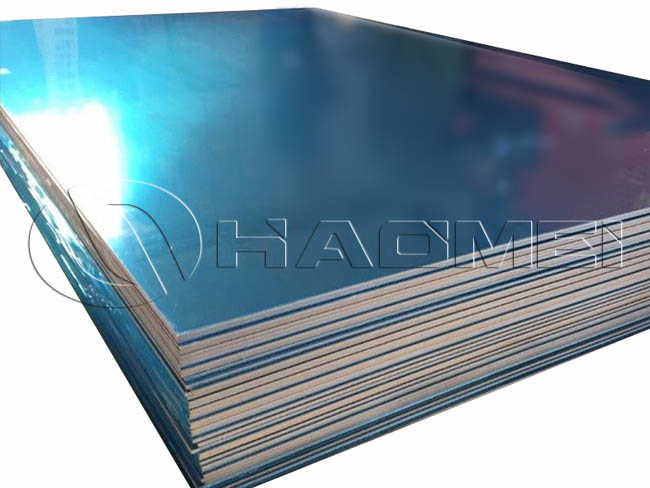
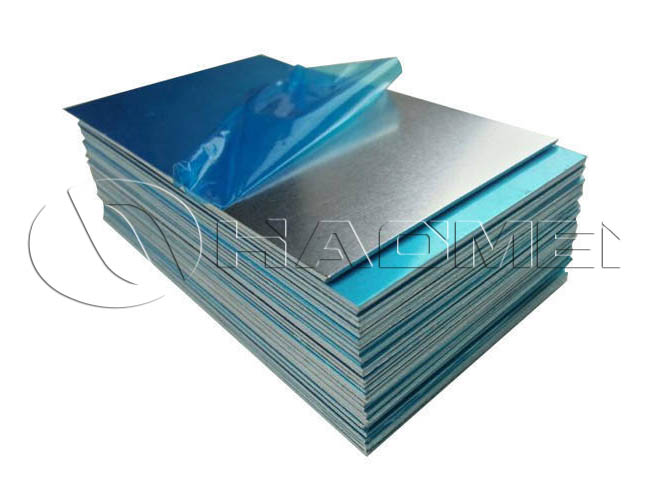
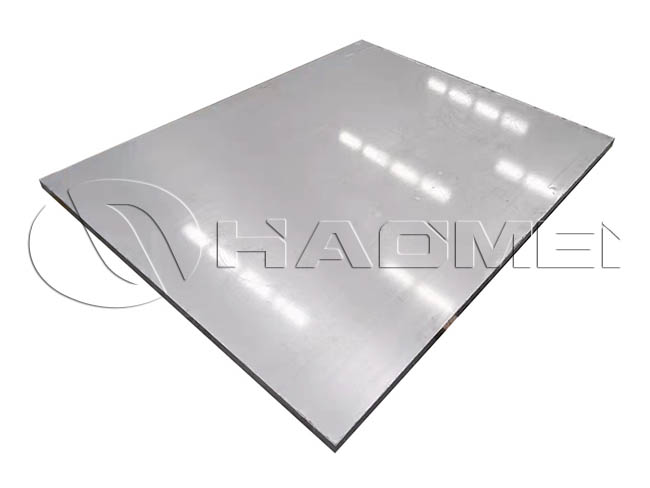
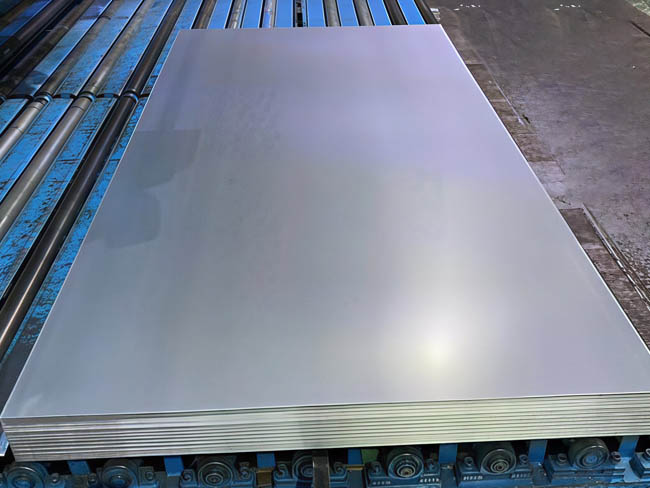
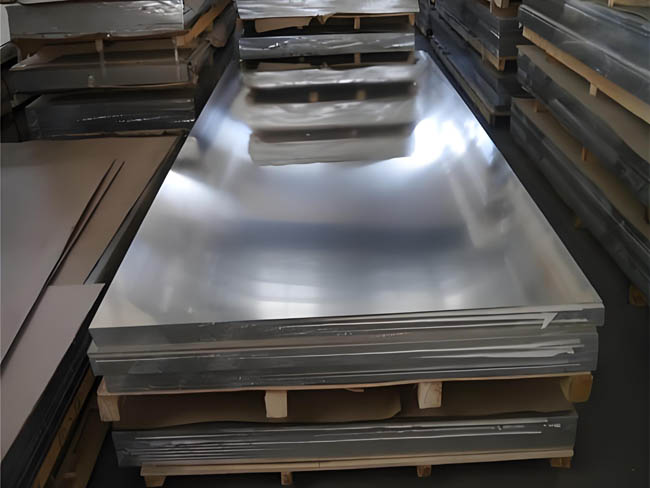
Aluminum sheet is a type of metal plate manufactured primarily from aluminum or aluminum alloys through a series of processes, including melting and casting, hot rolling, cold rolling, annealing, leveling, shearing, and the application of protective films or other surface treatments. Thanks to its advantages, such as light weight, corrosion resistance, ease of processing, excellent thermal and electrical conductivity, aesthetic appeal, and recyclability, aluminum sheet is widely used across a diverse range of sectors, including architectural decoration, transportation, machinery manufacturing, electronics and electrical appliances, new energy, aerospace, packaging, and shipbuilding.
Main Characteristics of Aluminum Plate
Lightweight:Aluminum has a density of approximately 2.7 g/cm³, significantly lower than steel. It helps reduce the total weight of products, equipment, vehicles, and structures.
Good Corrosion Resistance:Aluminum naturally forms a dense oxide layer on its surface, providing good oxidation resistance and corrosion protection.
Good Thermal and Electrical Conductivity:Aluminum has good heat and electrical conductivity, making it suitable for electronic components, electrical conductors, heat sinks, busbars, and heat-exchange applications.
Excellent Fabrication Performance:Aluminum plate can be easily cut, stamped, bent, welded, machined, formed, and processed into various shapes.
Adjustable Strength:By selecting different alloy grades and tempers, aluminum plate can meet a broad range of strength requirements, from soft and highly formable materials to high-strength structural alloys.
Good Surface Treatment Performance:Aluminum plate is suitable for anodizing, powder coating, painting, polishing, brushing, embossing, and protective film lamination.
Recyclable and Environmentally Friendly:Aluminum has high recycling value and can be reused efficiently, supporting sustainable manufacturing and environmental protection goals.
I. Classification by Aluminum Alloy Series
According to Aluminum Association standards, aluminum plate can be divided into eight major series based on its principal alloying elements. Among them, the 1xxx, 3xxx, 5xxx, 6xxx, and 7xxx series are the most commonly used for industrial procurement.
| Alloy Series | Main Alloying Element | Key Characteristics | Common Grades | Typical Applications |
| 1000 Series | Pure Aluminum, Al ≥99.0% | Excellent electrical and thermal conductivity, good corrosion resistance, soft and easy to form, but relatively low strength | 1050, 1060, 1070, 1100, 1235 | Chemical tanks, electrical busbars, heat sinks, lighting reflectors, signs |
| 2000 Series | Copper, Cu | Very high hardness and strength, good machinability, but relatively lower corrosion resistance; often requires cladding or protective coatings | 2024, 2A12 | Aircraft skins and structural parts, high-load mechanical parts, defense equipment |
| 3000 Series | Manganese, Mn | Typical rust-proof aluminum alloy; stronger than 1xxx series, with excellent corrosion resistance, weldability, and deep-drawing performance | 3003, 3004, 3105 | Roofing, curtain walls, air-conditioner heat exchangers, battery housings, cookware |
| 4000 Series | Silicon, Si | Low melting point, good wear and heat resistance, low thermal expansion coefficient | 4032, 4343 | Automotive engine pistons, decorative panels, brazing sheet cladding layers |
| 5000 Series | Magnesium, Mg | Aluminum-magnesium alloy with low density, high tensile strength, excellent seawater and marine atmospheric corrosion resistance, and excellent weldability | 5052, 5083, 5754, 5086, 5059 | Shipbuilding, LNG tanks, automotive bodies and fuel tanks, rail transportation, precision sheet metal |
| 6000 Series | Magnesium + Silicon | Heat-treatable alloy with medium to high strength, good corrosion resistance, and excellent anodizing performance | 6061, 6063, 6082 | CNC-machined parts, molds, automation equipment frames, 3C electronic housings |
| 7000 Series | Zinc + Magnesium + Copper | Ultra-high-strength aluminum alloy; strength can approach that of certain steels, with excellent wear and fatigue resistance | 7075, 7050 | Aerospace structural frames, high-end molds, robotic parts, sporting equipment |
| 8000 Series | Other Elements, such as Fe or Li | Balanced overall performance, commonly used for ultra-thin rolling or specialized functional materials | 8011, 8021 | Bottle caps, air-conditioner foil stock, pharmaceutical packaging, battery pouch foil substrates |
II. Classification by Temper: Heat Treatment and Work-Hardening Condition
For a given alloy, its specific temper (state) directly determines its bending, stretching, and strength characteristics—a critical factor when selecting materials for processing:
O-temper (soft state): Fully annealed; the softest condition with maximum elongation. It is ideal for deep drawing, bending, coiling, and complex forming; commonly used for transformer aluminum strips and drawn components.
H-temper (strain-hardened): Includes H12 (1/4 hard), H14 (half-hard), H16 (3/4 hard), and H18 (full-hard). Higher numbers indicate greater strength but increased difficulty in bending. H32 and H34 tempers are frequently used for 5000-series (Al-Mg) rust-resistant alloys; these undergo a stabilization process, offering superior resistance to stress corrosion.
T-temper (heat-treated/strengthened): Standard for 6000- and 7000-series alloys (e.g., T6, T651). These materials undergo pre-stretching for stress relief, resulting in high flatness and excellent dimensional stability during and after machining—making them well-suited for precision mechanical processing.
III. Classification by Manufacturing Process
Hot-rolled aluminum plates (DC plates): Produced by hot-rolling ingots, these plates feature uniform grain structure and low internal stress. They are primarily available as thick plates, offer stable mechanical properties, and are well-suited for welding, marine applications, and structural components; they come at a relatively higher price point.
Cast-rolled aluminum plates (CC plates): Formed by directly casting and rolling molten aluminum, these plates are more cost-effective and have a smooth surface. They are suitable for thin-gauge applications, color-coating, signage, and general sheet metal work, but are not recommended for high-standard welding or marine environments.
Pre-stretched aluminum plates: These undergo a stretching process after hot-rolling to relieve internal stress (T651 temper). They are resistant to warping or deformation during machining, making them the preferred choice for molds and precision components.
Cold-rolled aluminum plates: Produced by cold-rolling hot-rolled stock at room temperature, these plates feature a high-quality surface finish and excellent dimensional accuracy. They are commonly used for thin-gauge applications, decorative purposes, and anodizing.
IV. Classification by Surface Type
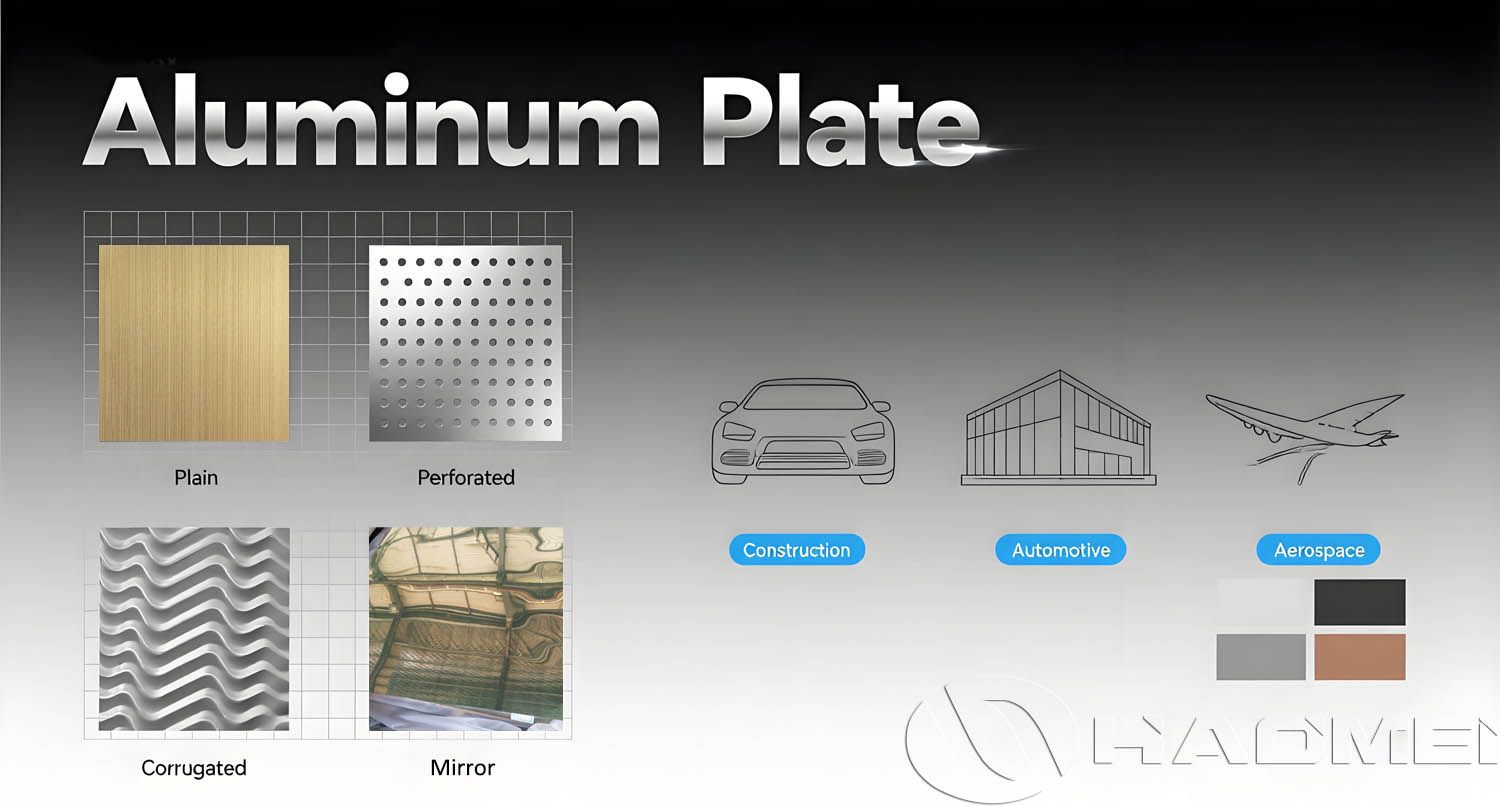
Plain Aluminum Sheets: Bright on both sides; the standard, most widely used type; suitable for direct spray coating or anodizing.
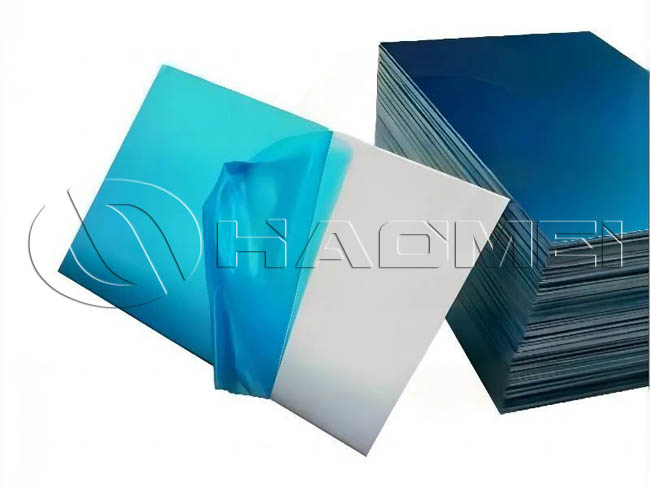
Film-Coated Aluminum Sheets: Covered with a PE protective film to prevent scratches during processing; commonly used for laser cutting and CNC machining.
Tread/Anti-Slip Aluminum Sheets: Featuring patterns such as five-bar, three-bar, pointer, or diamond designs; offer slip resistance and wear resistance; used for vehicle flooring, platforms, and stair treads.
Color-Coated Aluminum Sheets: Pre-coated with a fluorocarbon or polyester finish; weather-resistant and anti-corrosive; used for curtain walls, roofing, and decorative applications.
Brushed and Mirror-Finish Aluminum Sheets: Designed for decorative purposes; surfaces are either brushed or polished to a mirror-like finish; used for home appliance casings and decorative panels.
CTP aluminum plates: Aluminum plates designed for printing, with surface treatments adapted for photosensitive coatings.
V. Classification by Thickness
1. Aluminum Foil
Aluminum foil usually has a thickness below 0.2 mm.
It is commonly used for capacitors, food packaging, pharmaceutical packaging, battery materials, insulation products, household foil, and heat-shielding materials.
2. Thin Aluminum Sheet
Thin aluminum sheet generally ranges from 0.2 mm to 4 mm in thickness.
It is widely used for decoration, signage, electronic housings, lighting products, kitchenware, appliance panels, and sheet metal fabrication.
3. Medium-Thick Aluminum Plate
Medium-thick aluminum plate generally ranges from approximately 4 mm to 20 mm.
It is commonly used for machinery structural parts, molds, transportation equipment, fixtures, and industrial components.
4. Thick Aluminum Plate
Thick aluminum plate generally refers to aluminum plate above 20 mm in thickness.
It is mainly used in aerospace, shipbuilding, large structural components, high-end molds, tooling fixtures, and precision machining applications.
VI. Classification by Product Form
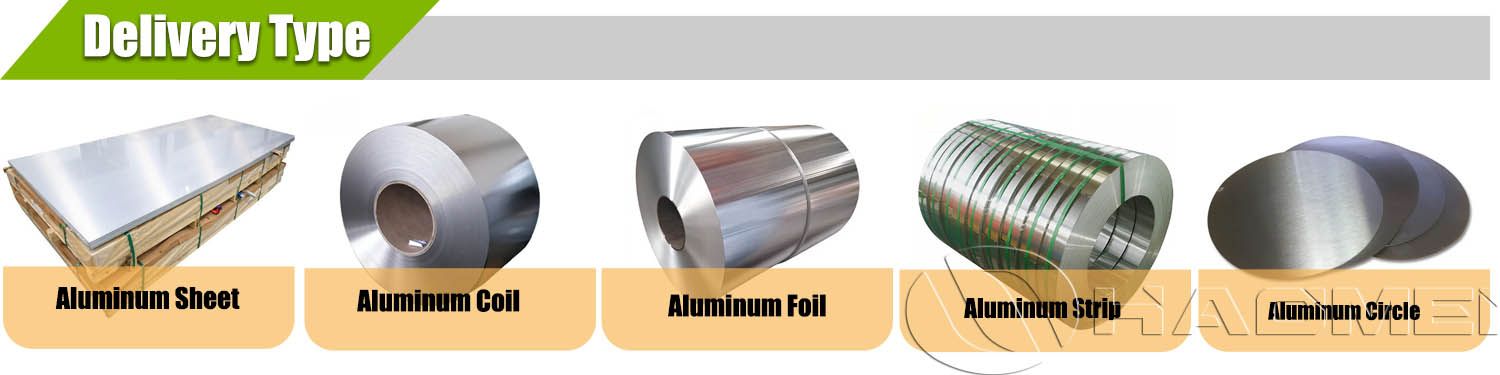
Depending on their thickness, width, and delivery format, aluminum products can be categorized into various forms, such as aluminum sheets, coils, strips, foils, and discs.
Aluminum Sheets
These are flat materials typically supplied in fixed lengths, suitable for processes such as bending, stamping, welding, cutting, machining, and surface treatment.
Aluminum Coils
Aluminum coils are aluminum sheet or strip products delivered in a coiled form; they are well-suited for continuous stamping, slitting, roll forming, lamination, coating, and processing on automated production lines.
Aluminum Strips
Aluminum strips are generally narrow coils produced by slitting wider aluminum coils. They are used in applications such as transformer windings, cable armoring, heat sinks, electronic components, stamped parts, and composite materials.
Aluminum Foil
Aluminum foil is characterized by its thin gauge, excellent barrier properties, ductility, and workability. It is commonly used for food and pharmaceutical packaging, battery materials, capacitor foil, thermal insulation, and household foil.
Aluminum Circle / Discs
Aluminum discs are circular pieces cut from aluminum sheets. They are suitable for the production of cookware, lighting fixtures, traffic signs, container lids, and items made via metal spinning.
VII. Classification by Application
Depending on the application, aluminum plates can be further categorized into types such as those used for construction, curtain walls, transportation, electronics and electrical appliances, packaging, molds, and shipbuilding. Each specific application entails distinct requirements regarding alloy grade, thickness tolerance, surface quality, and mechanical properties.
How to Select Aluminum Plate for Different Applications
Aluminum plate selection should not be based solely on price or alloy grade. It is important to consider the service environment, processing method, mechanical requirements, corrosion resistance, appearance requirements, and subsequent surface treatment.
Aluminum Sheets for Architectural Decoration
Recommended alloys include 3003, 3004, 3005, 5005, and 5052. For outdoor applications requiring weather resistance, these can be finished with fluorocarbon (PVDF) coatings, polyester coatings, or anodizing.
Aluminum Sheets for Bending and Stamping
Suitable materials include 1060, 1100, 3003, and 5052 (in the O-temper/annealed state). If the application requires deep drawing or complex forming, priority should be given to the material's elongation, hardness/softness, and surface quality.
Aluminum Sheets for Machining
Common choices include alloys such as 6061, 6082, 2024, and 7075. For components requiring high strength and dimensional stability, heat-treated tempers—such as 6061-T6 or 7075-T6—are typically used.
Aluminum Sheets for Marine and Offshore Engineering
5000-series "rust-proof" (corrosion-resistant) aluminum alloys, such as 5083, 5086, and 5052, are ideal. These materials offer excellent corrosion resistance and weldability, making them well-suited for humid, salt-spray, and seawater environments.
Aluminum Sheets for Transformers and Electrical Conductivity
High-purity aluminum alloys—such as 1060, 1070, 1050, and 1350—are preferred. These materials provide superior electrical conductivity and are used for busbars, conductive connectors, transformer windings, and other electrical components.
Aluminum Sheets for Automotive and New Energy Applications
Depending on the specific function of the component, alloys such as 5052, 5182, 5754, 6061, or 6082 may be selected. For applications like battery enclosures, structural components, body panels, and lightweight parts, it is necessary to evaluate a combination of factors, including strength, corrosion resistance, weldability, and formability.
Aluminum Sheet Selection Recommendations
When purchasing aluminum sheet, it is recommended to focus on the following factors:
Define the Application
Select the alloy grade based on requirements for strength, corrosion resistance, electrical conductivity, thermal conductivity, formability, decorative appearance, or weldability.
Confirm Thickness and Tolerance
Determine the thickness range and dimensional tolerances based on the fabrication process and finished-product requirements.
Select the Surface Treatment
Choose anodizing, coating, brushing, polishing, embossing, protective film, or other surface treatments based on appearance, weather resistance, and downstream processing needs.
Confirm the Temper
O temper, H temper, and T temper directly affect processing performance and final mechanical properties.
Evaluate Supplier Capability
Assess the supplier's manufacturing experience, quality consistency, inspection capabilities, export packaging standards, and delivery reliability. Samples and material test certificates should be requested when necessary.
HAOMEI Aluminum offers a comprehensive range of aluminum plates and sheets, with services including custom-length cutting, precision slitting, protective film application, brushing, and polishing. We supply products with thicknesses ranging from 0.1 mm to 200 mm and widths up to 1600 mm. We provide material certification, as well as test reports on mechanical properties and electrical conductivity; sample provision is also available. With reliable lead times, we serve B2B clients across sectors such as transformer manufacturing, marine engineering, new energy, architectural curtain walls, and equipment manufacturing.