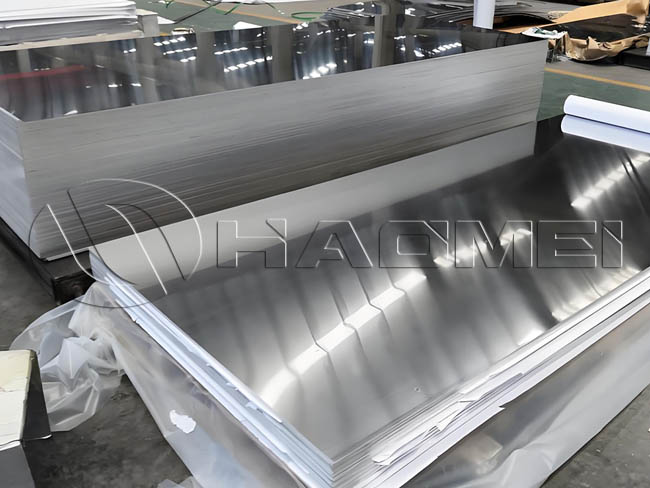
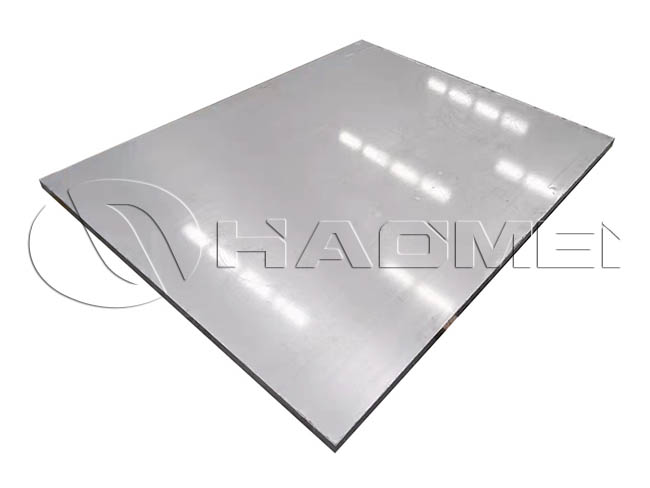
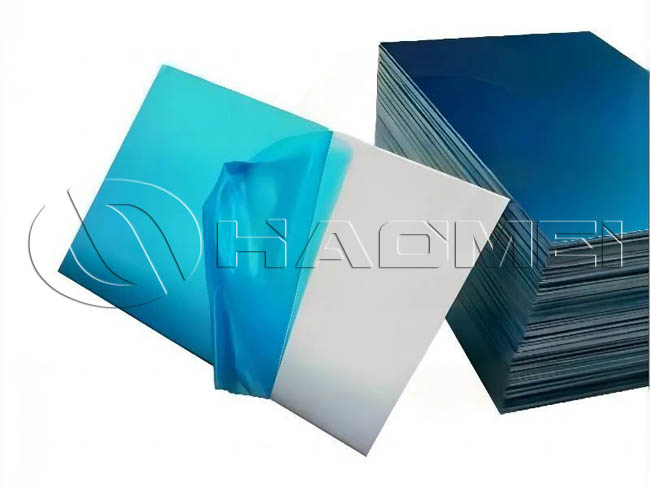
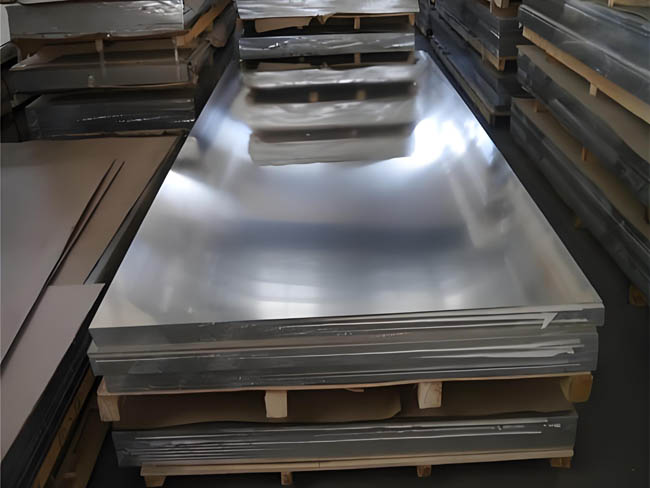
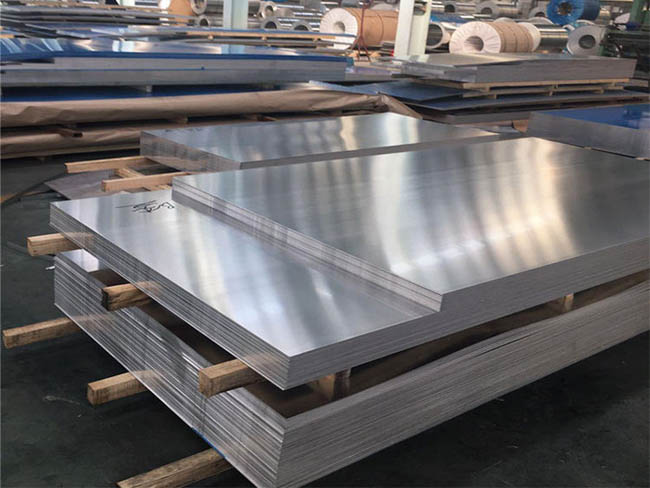
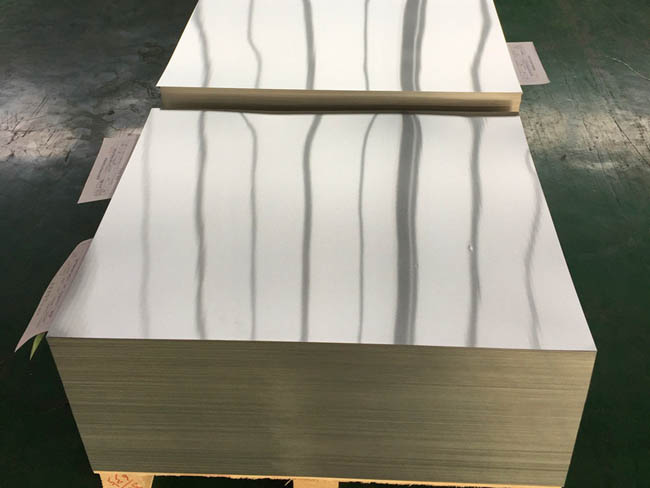
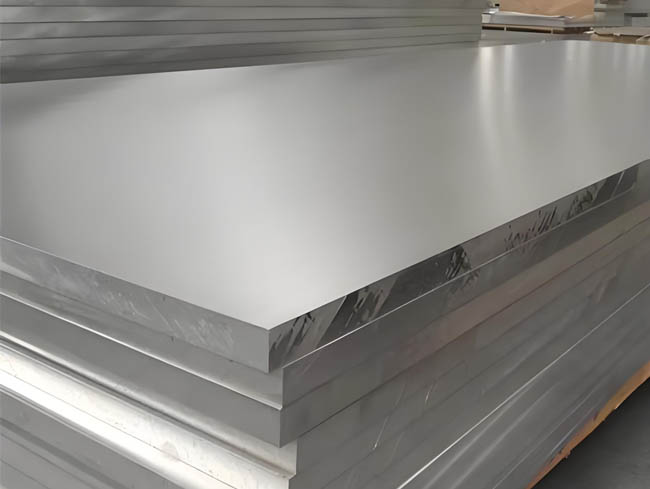
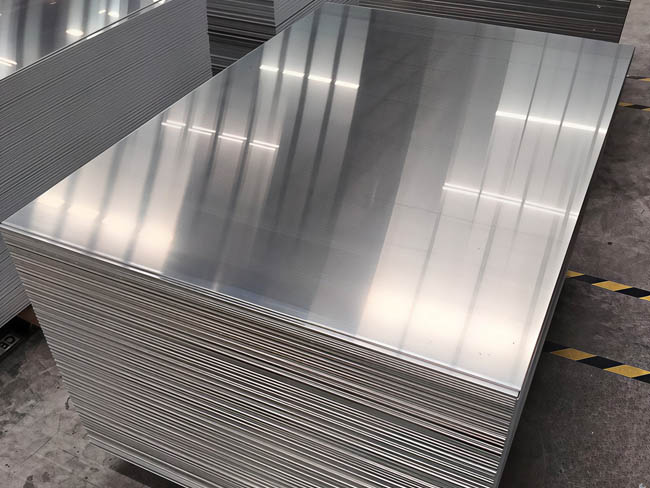
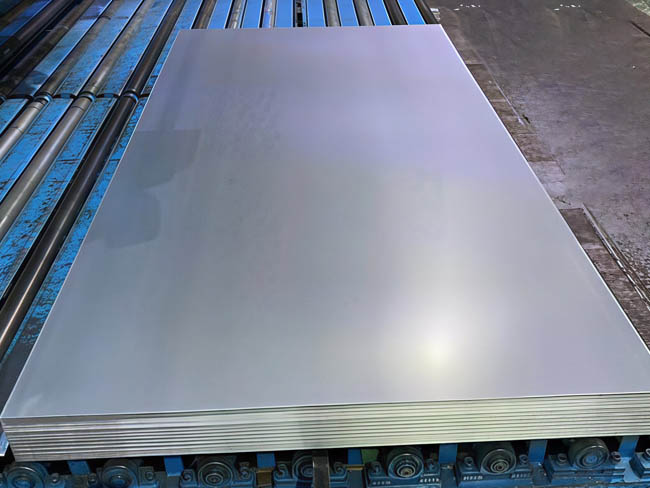
Among aluminum alloy sheets, 3003 aluminum sheet and 5052 aluminum sheet are two of the most widely used grades in the 3xxx and 5xxx series, respectively. However, many buyers and processing professionals are still unclear about the differences between them.
This article explains the distinctions, application boundaries, and selection methods for 3003 and 5052 aluminum sheets, helping purchasing managers, engineers, and fabricators choose the right material for their projects.
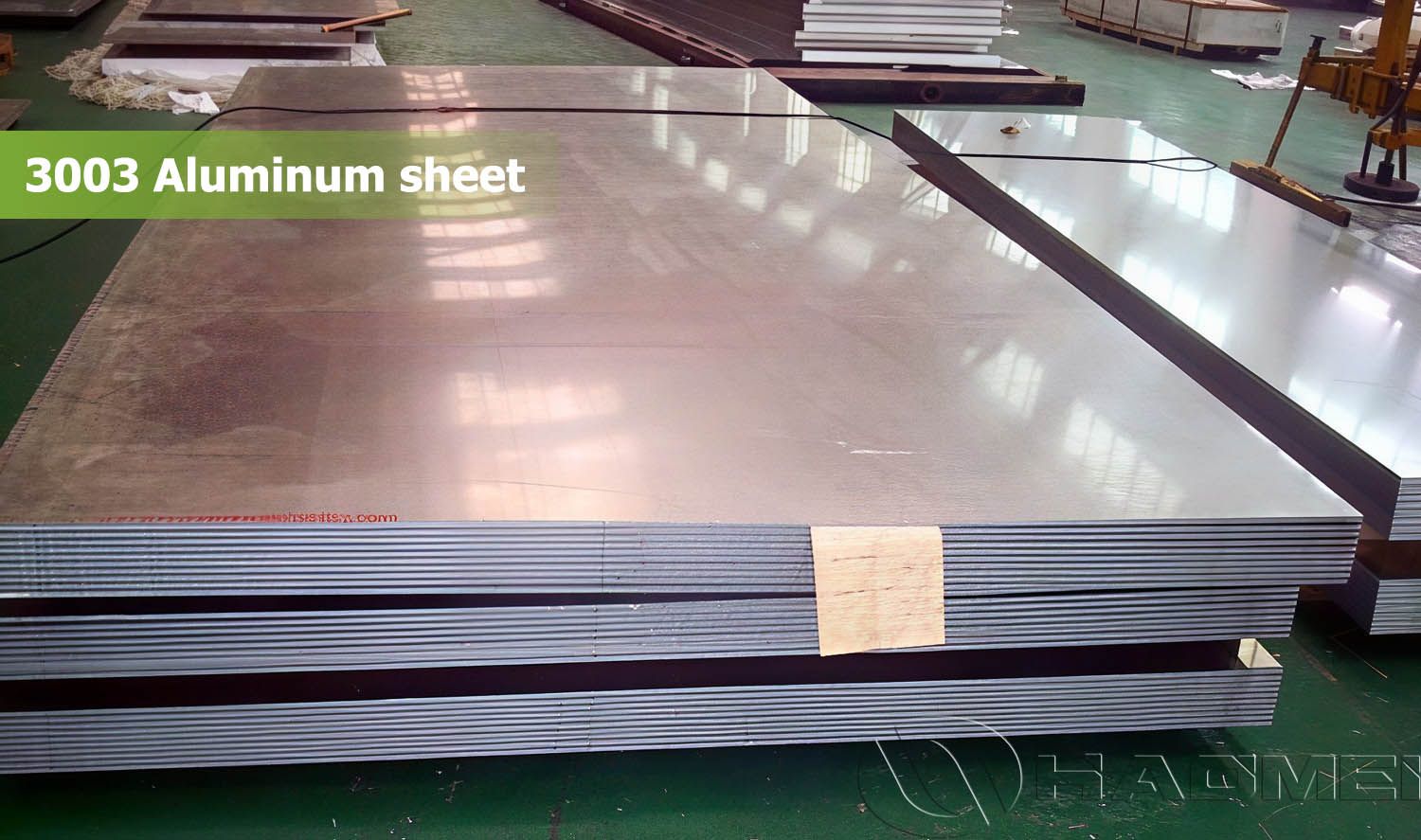
Overview of 3003 Aluminum Sheet
3003 is a rust-resistant aluminum-manganese alloy. Its main alloying element is manganese, generally ranging from 1.0% to 1.5%. It is a non-heat-treatable alloy, meaning its hardness and strength are mainly adjusted through cold working. Common tempers include O, H14, H24, and H18.
3003 aluminum sheetis positioned as a versatile and cost-effective rust-resistant aluminum material. It offers excellent plasticity, good thermal conductivity, high elongation, strong deep-drawing and spinning performance, as well as reliable weldability. It also provides stable corrosion resistance in normal atmospheric environments.
Due to its favorable balance of formability, corrosion resistance, and cost, 3003 aluminum sheet is widely used for lightweight sheet-metal fabrication, heat-exchange components, containers, insulation jackets, and decorative applications.
Typical applications of 3003 aluminum sheet include:
Storage tanks
Non-pressure-bearing parts of pressure vessels
Architectural decoration materials
Air-conditioning equipment
Heat exchangers and radiators
Kitchen equipment
Food packaging-related products
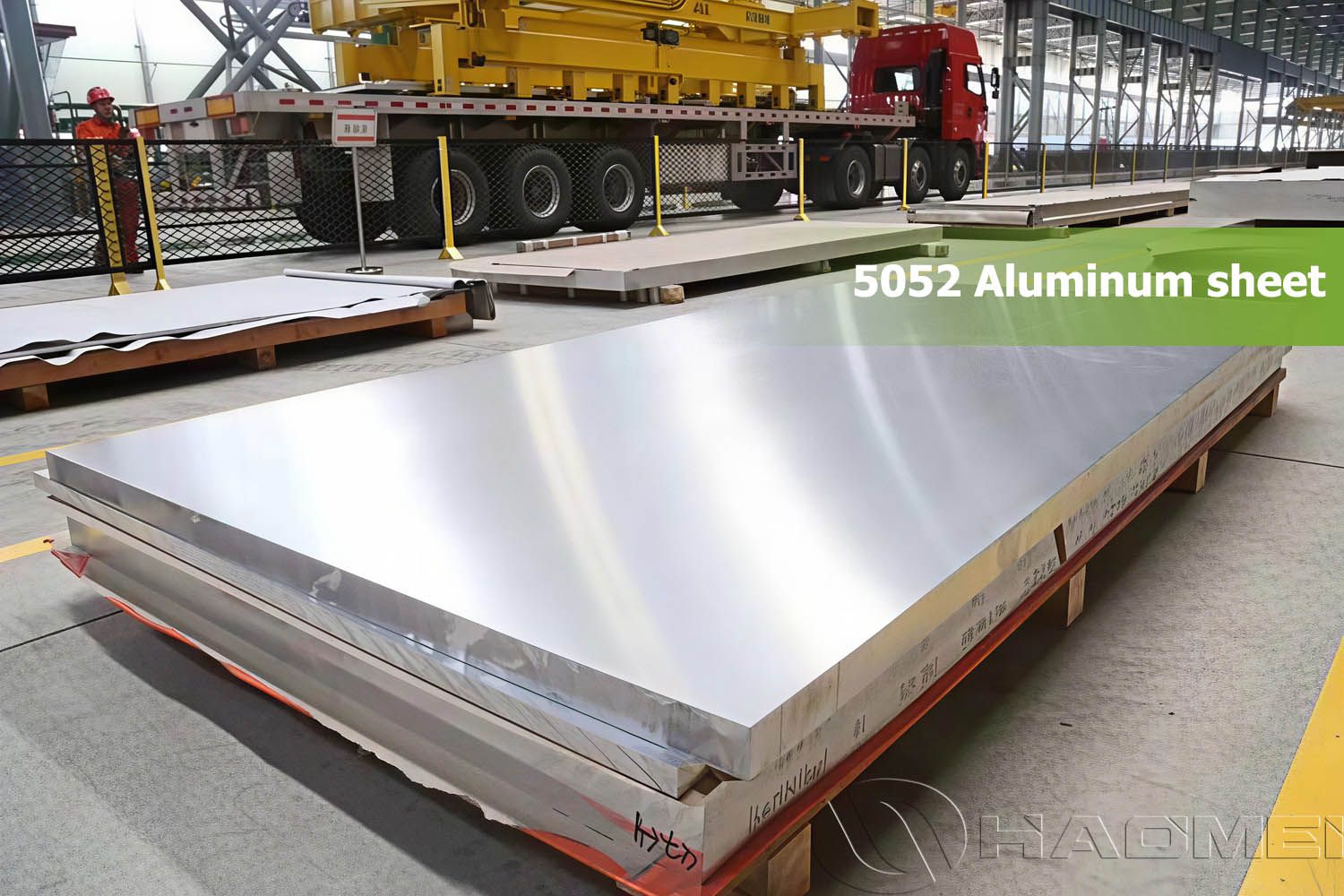
Overview of 5052 Aluminum Sheet
5052 is a rust-resistant aluminum-magnesium alloy. Its magnesium content is generally between 2.2% and 2.8%, with a small amount of chromium added to refine the grain structure. Like 3003, it is a non-heat-treatable aluminum alloy. Common supply tempers include O, H32, H34, and H36.
As a high-performance industrial sheet-metal material, 5052 aluminum sheet offers significantly higher yield strength, fatigue resistance, and salt-spray corrosion resistance than 3003 aluminum sheet. It also performs well in bending operations, and 90-degree bends are less likely to crack when the proper temper and bending radius are selected.
5052 aluminum sheet is particularly suitable for components exposed to loads, vibration, coastal conditions, or marine environments. It is widely used in automotive parts, marine structures, energy-storage cabinets, fuel tanks, and industrial equipment.
Main Characteristics of 5052 Aluminum Sheet
Higher mechanical strength, suitable for products requiring a certain level of load-bearing capacity.
Excellent corrosion resistance, especially in marine atmospheres and humid environments.
Good cold-forming properties for bending, stamping, and other sheet-metal processes.
Good weldability with a range of common aluminum welding methods.
Good fatigue resistance, suitable for components subjected to repeated loading or vibration.
Main Differences Between 3003 and 5052 Aluminum Sheets
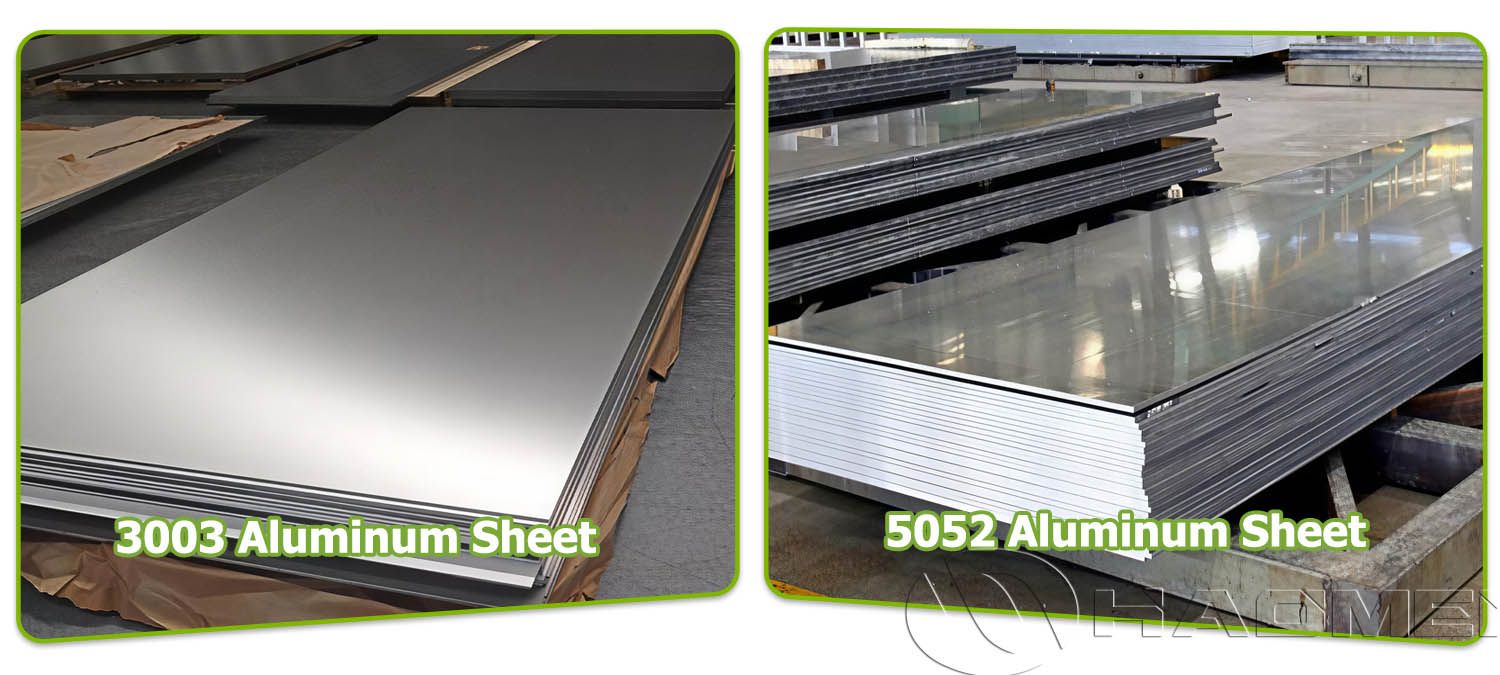
Although both 3003 and 5052 aluminum sheets offer good corrosion resistance and processability, they differ significantly in chemical composition, strength, formability, and application areas.
1. Chemical Composition Comparison
The biggest difference between the two alloys lies in their main alloying elements.
Chemical Element | 3003 Aluminum Sheet (Typical Range) | 5052 Aluminum Sheet (Typical Range) |
| Aluminum (Al) | Balance | Balance |
| Manganese (Mn) | 1.0%–1.5% | ≤0.10% |
| Magnesium (Mg) | ≤0.05% | 2.2%–2.8% |
| Chromium (Cr) | - | 0.15%–0.35% |
| Copper (Cu) | 0.05%–0.20% | ≤0.10% |
3003 aluminum sheet is mainly strengthened through manganese addition, which improves its strength and overall performance.
5052 aluminum sheet is mainly strengthened by magnesium, giving it higher mechanical strength and better corrosion resistance, especially in humid, coastal, and marine environments.
2. Mechanical Property Comparison
Mechanical properties are key factors in determining the suitable application range of aluminum sheets. In most cases, 5052 aluminum sheet has higher tensile strength and yield strength than 3003 aluminum sheet.
The following values are common reference ranges. Actual values may vary depending on thickness, product standard, temper, and manufacturing process.
| Property | 3003-H14 | 5052-H32 |
| Tensile Strength | 145–185 MPa | 215–265 MPa |
| Yield Strength | ≥115 MPa, typical lower limit | ≥130 MPa, typical lower limit |
| Elongation | Approx. 3%–10% | Approx. 7%–12% |
| Density | Approx. 2.73 g/cm³ | Approx. 2.68 g/cm³ |
| Elastic Modulus | Approx. 69 GPa | Approx. 70 GPa |
As shown above, 5052-H32 generally provides higher strength and is more suitable for products requiring improved mechanical performance.
3003-H14 offers a good balance between strength and formability, making it suitable for general industrial forming and fabrication applications.
It should be noted that 3003-H14 and 5052-H32 are not equivalent tempers. When purchasing, buyers should verify the material properties according to actual thickness, temper, and applicable product standards.
3. Corrosion Resistance Comparison
Both 3003 and 5052 are commonly classified as rust-resistant aluminum alloys. Under normal atmospheric conditions and freshwater exposure, the difference in corrosion resistance is generally not significant.
The difference becomes more apparent in harsher environments.
5052 aluminum sheet offers stronger resistance to seawater corrosion and salt-spray environments. Its magnesium content helps create a more stable protective oxide film in chloride-containing environments, making it a more reliable choice for coastal facilities, marine equipment, ship components, seafood transport equipment, and outdoor installations near the sea.
3003 aluminum sheet performs very well in ordinary humid environments, condensation exposure, indoor applications, and normal outdoor atmospheric conditions. It remains a traditional material choice for refrigerator liners, air-conditioning heat exchangers, ventilation ducts, and general industrial enclosures.
4. Formability and Fabrication Performance Comparison
3003 aluminum sheet has excellent plasticity and forming performance. It is suitable for deep drawing, bending, stretching, spinning, and the fabrication of complex shapes. It is widely used in thin-wall containers, air-conditioning components, kitchenware, and similar products requiring substantial deformation.
5052 aluminum sheet also has good cold-working performance. In common tempers such as H32 and H34, it can meet the requirements of many sheet-metal fabrication processes. However, its bending performance will vary depending on work-hardening level, thickness, bending radius, and processing conditions.
If the product requires complex deep drawing or significant plastic deformation, 3003 aluminum sheet is generally the better choice.
If the product requires a balance of higher strength and good formability, 5052 aluminum sheet is often the preferred material.
5. Weldability Comparison
Both 3003 and 5052 aluminum sheets have good weldability and can be welded using common aluminum welding methods, including MIG and TIG welding.
3003 aluminum sheet is commonly used in welding applications involving air-conditioning equipment, heat exchangers, general aluminum containers, and light-duty fabricated products.
5052 aluminum sheet is widely used for marine structures, automotive components, storage tanks, industrial equipment, and welded parts exposed to vibration or corrosion.
It is important to note that weld-joint performance is affected by welding method, filler metal, heat input, joint design, and welding parameters.
For 5052 aluminum, suitable filler wires such as ER5356 or ER4043 are often selected based on the base-metal temper, service environment, and welding requirements. Welding procedure qualification is recommended for critical applications.
6. Price Comparison
In terms of price, 3003 aluminum sheet is generally slightly more expensive than pure aluminum sheet, while 5052 aluminum sheet is typically more expensive than 3003 due to its higher magnesium content and stronger overall performance.
However, actual pricing varies depending on thickness, width, temper, order quantity, surface requirements, processing services, and aluminum market fluctuations.
When selecting between the two alloys, buyers should consider not only the material price but also the complete balance of mechanical performance, corrosion resistance, processing efficiency, service life, and overall project cost.
Typical Application Scenarios
When to Choose 3003 Aluminum Sheet
3003 aluminum sheet is generally preferred for the following applications:
HVAC industry: Air ducts, insulation cladding, heat exchangers, and heat-dissipation fins.
Kitchenware and food-related products: Food containers, storage tanks, water-purification liners, and cookware components.
Construction and decoration: Sign boards, decorative panels, roofing sheets, gutters, and rainwater channels.
Forming applications: Simple stamping parts, deep-drawn housings, spun components, and thin-wall containers.
General environments: Indoor dry environments, ordinary sheet-metal enclosures, and non-load-bearing protective panels.
Cost-sensitive projects: Applications with limited budgets, low strength requirements, and high demands for forming performance.
When to Choose 5052 Aluminum Sheet
5052 aluminum sheet is generally preferred for the following applications:
Sheet-metal enclosures: Electrical cabinets, energy-storage enclosures, EV charging-pile housings, and control cabinets.
Automotive industry: Fuel tanks, fenders, battery thermal protection plates, and lightweight structural components.
Marine and coastal applications: Ships, yachts, offshore engineering, and outdoor equipment exposed to salt spray.
Vibration and load-bearing components: Welded structural parts requiring fatigue resistance, impact resistance, and improved rigidity.
Industrial containers: Hydraulic oil tanks, chemical containers, water-system housings, and pressure-related shells.
High-performance components: Parts requiring higher stiffness, dent resistance, corrosion resistance, and long service life.
Material Selection Guide: 3003 or 5052?
Selection Facto | Choose 3003 Aluminum Sheet | Choose 5052 Aluminum Sheet |
| Strength Requirement | Low-load, non-structural components | Load-bearing, impact-resistant, dent-resistant parts |
| Forming Complexity | Deep drawing, complex bending, repeated roll forming | Simple bending, roll forming, mainly welding or riveting |
| Corrosion Environment | Normal atmosphere, condensation, indoor use | Coastal, salt-spray, and marine environments |
| Welding Requirement | Priority on weld appearance and process tolerance | Priority on weld strength; stricter process control acceptable |
| Cost Sensitivity | Thin sheets, large-volume production, price-sensitive projects | Higher overall cost acceptable where strength value is important |
| Thickness Requirement | Mainly thin-gauge sheet | Broader need for medium and thick plate coverage |
Choose 3003 Aluminum Sheet If:
Choose 3003 aluminum sheet if your product mainly involves deep drawing, complex bending, general industrial containers, air-conditioning equipment, kitchen products, or decorative applications, and does not require particularly high mechanical strength.
It is an economical and practical option when formability and cost control are more important than structural strength.
Choose 5052 Aluminum Sheet If:
Choose 5052 aluminum sheet if your product needs to withstand higher mechanical loads, repeated vibration, impact, or long-term exposure to coastal, humid, salt-spray, or marine atmospheric environments.
5052 provides an excellent balance of strength, corrosion resistance, weldability, and formability, making it suitable for more demanding industrial and structural applications.
HAOMEI Provides Customized 3003 and 5052 Aluminum Sheet Services
As a professional aluminum sheet manufacturer and supplier, HAOMEI provides aluminum products in a wide range of grades, tempers, and specifications to meet the material procurement needs of customers in different industries.
For 3003 and 5052 aluminum sheets, we can recommend suitable product solutions based on your application, fabrication process, performance requirements, and technical specifications.
Product Supply Range
Product Item | 3003 Aluminum Sheet | 5052 Aluminum Sheet |
| Alloy Series | 3000 Series | 5000 Series |
| Common Tempers | O, H14, H16, H18, H24 | O, H32, H34, H36, H38 |
| Thickness Range | 0.1–500 mm | 0.1–500 mm |
| Width Range | 100–1600 mm | 100–1600 mm |
| Surface Options | Mill finish, bright finish, and other customized requirements | Mill finish, bright finish, and other customized requirements |
| Processing Services | Cutting, slitting, and cut-to-length | Cutting, slitting, and cut-to-length |
We focus on dimensional accuracy, surface quality, mechanical properties, and batch consistency to help customers reduce quality risks during fabrication and processing.
Whether you require 3003 aluminum sheet for air-conditioning equipment or 5052 aluminum sheet for marine manufacturing and industrial equipment, we can provide customized specifications according to your technical requirements.
FAQ
Q1: Can both 3003 and 5052 aluminum sheets be anodized?
A: Yes, both alloys can be anodized. However, because 5052 has a higher magnesium content, its anodizing process requires stricter control. In comparison, 3003 aluminum sheet generally produces a more uniform and stable anodized color appearance.
Q2: Are both alloys suitable for food-contact applications?
A: When supplied in compliant grades, conditions, and processing states, both 3003 and 5052 can be used in food-contact-related applications. 3003 is commonly used for stamped kitchenware and food containers, while 5052 is more often used for larger food storage tanks and industrial food-processing equipment.
Q3: How should 3003-H14 and 5052-H32 be compared?
A: 3003-H14 is relatively softer and better suited for bending, stamping, and deep drawing. 5052-H32 has higher rigidity, better deformation resistance, and stronger vibration resistance, making it one of the most commonly used materials for industrial sheet-metal fabrication.
Q4: Is there a significant price difference between 3003 and 5052 aluminum sheet?
A: Under the same thickness and specification, 5052 aluminum sheet is generally priced higher than 3003 aluminum sheet. For bulk orders, the price difference is usually manageable. It is recommended to select the alloy based on the actual service conditions rather than choosing the cheaper option at the expense of performance.
Q5: Is 5052 aluminum sheet suitable for marine environments?
A: Yes. 5052 aluminum sheet has good resistance to marine atmospheric corrosion and is widely used in ships, boats, coastal facilities, and marine-related industrial equipment. However, for direct seawater immersion or highly specialized corrosive environments, material suitability should still be evaluated based on actual operating conditions.