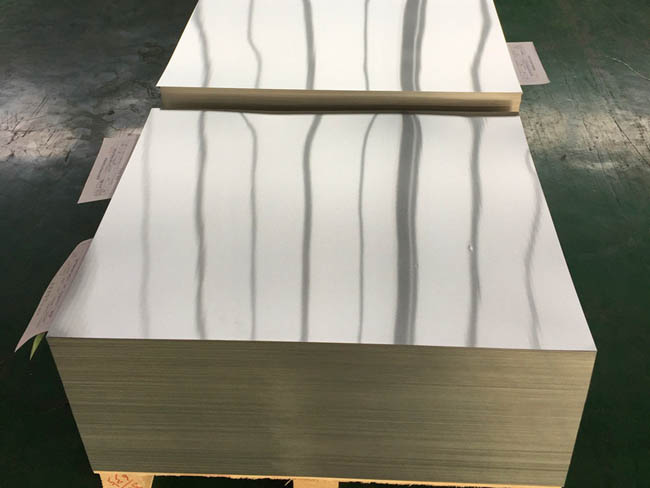
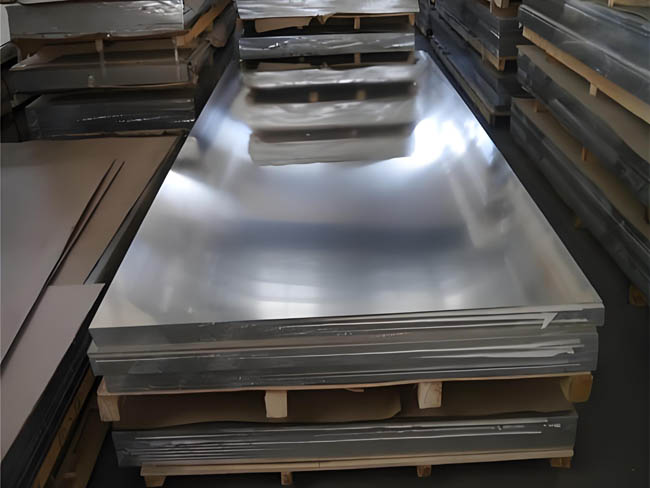
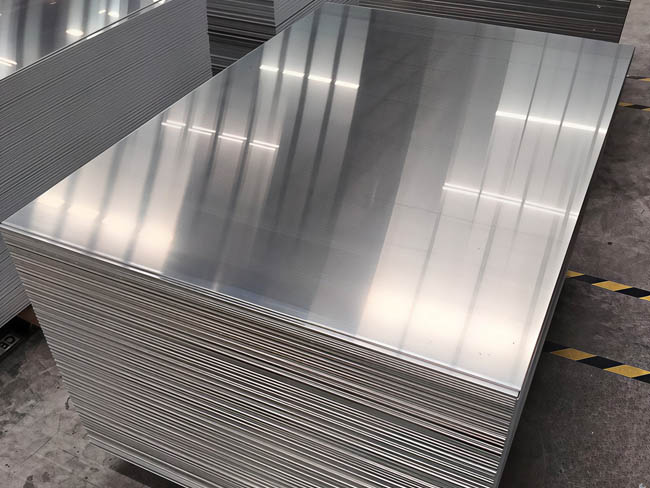
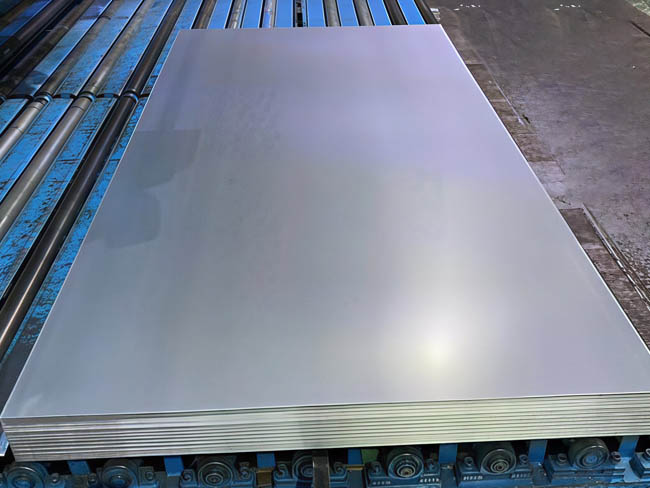
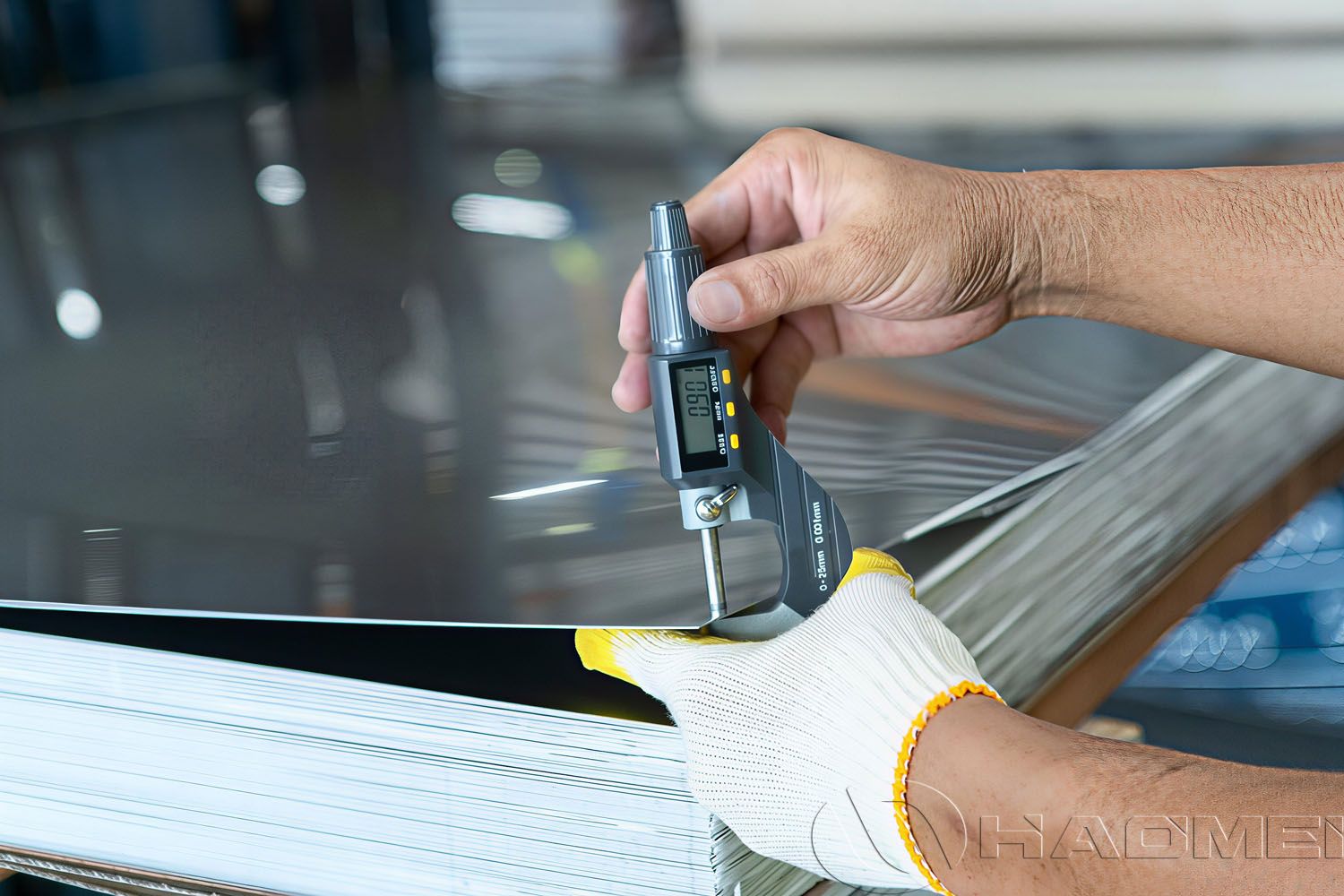
In aluminum plate purchasing and engineering applications, thickness and tolerance are two of the most frequently discussed—and most easily oversimplified—parameters. Thickness determines the load-bearing capacity and weight of a structure, while tolerance determines whether a batch of material can consistently proceed through subsequent stamping, bending, welding, or CNC machining processes.
Common Classifications and Designations of Aluminum Plate Thickness
In industrial communication and standard systems, aluminum materials are generally classified by thickness into strip, sheet, and plate. Different standards may define the critical thickness ranges slightly differently, but the basic principle is the same: materials are categorized according to their forming method and structural load-bearing purpose.
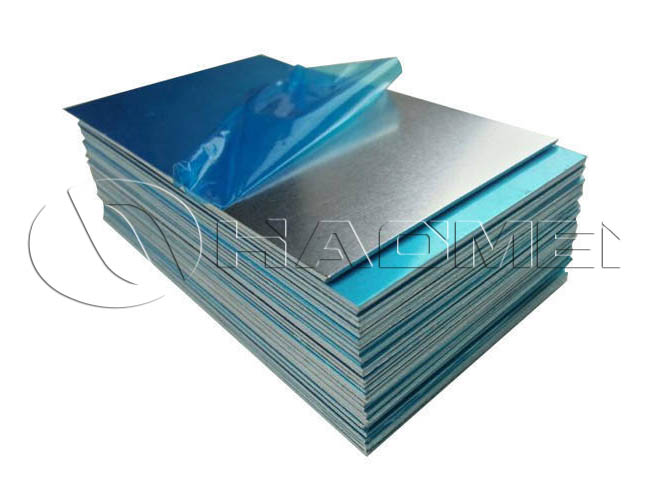
Thin Aluminum Sheet
Common range: approximately 0.2 mm to 6.0 mm
Thin aluminum sheet is generally produced by cold rolling or precision rolling and usually offers good surface finish. It is commonly used for stamping, bending parts, signage, electronic heat dissipation components, and certain lightweight exterior panels for rail transportation and automobiles.
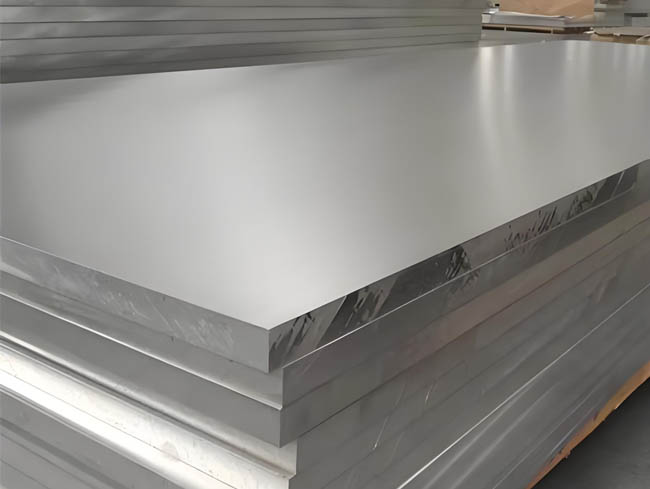
Medium-Thickness and Thick Aluminum Plate
Common range: above 6.0 mm, extending to several tens or even hundreds of millimeters
Medium-thickness and thick aluminum plates are often produced through a combination of hot rolling and pre-stretching processes. These products emphasize section stiffness, uniform internal structure, and residual stress control. They are widely used in mold manufacturing, shipbuilding, marine engineering, pressure vessels, aerospace structural components, and heavy equipment manufacturing.
Metric and Imperial Designations
Modern engineering drawings and international trade commonly use millimeters (mm) to indicate nominal thickness and upper/lower deviations. However, some European and North American markets, as well as older drawings, may still use inches or gauge numbers. When selecting materials, it is important to standardize the unit system and avoid rounding errors during conversion.
What Is Aluminum Plate Thickness Tolerance?
Tolerance refers to the permitted range by which the actual thickness may deviate from the nominal thickness. It is usually expressed as a “±” value.
For example, for an aluminum plate with a nominal thickness of 2.0 mm and a tolerance of ±0.10 mm, the actual measured thickness is considered acceptable if it falls within the following range:
1.90 mm ≤ t ≤ 2.10 mm
Another related concept is deviation, which refers to the difference between the actual thickness and the nominal thickness:
A positive deviation means the actual thickness is greater than the nominal thickness.
A negative deviation means the actual thickness is less than the nominal thickness.
Tolerance represents the permitted deviation range, while deviation represents the actual variation measured. Both are often recorded in quality inspection reports.
Thickness tolerance does not necessarily indicate poor product quality. It is a normal permissible dimensional range in metal rolling production. During manufacturing, aluminum plate thickness can be influenced by rolling equipment accuracy, raw material condition, rolling pressure, temperature variation, flatness control, and surface treatment processes. Therefore, the actual thickness is rarely identical to the nominal thickness at every point.
A tighter tolerance generally requires higher standards for production equipment, process control, and inspection capability. Industries with strict dimensional requirements—such as precision electronics, automotive components, mold machining, aerospace, and high-end machinery manufacturing—often require aluminum plates with smaller tolerances and more consistent thickness.
Key Factors Affecting Aluminum Plate Thickness Tolerance
The thickness of an aluminum plate is not perfectly constant across the entire sheet. In practice, slight crown variation or wedge-shaped thickness variation may occur across the width of the plate, while small fluctuations may also occur along the length.
The main factors influencing the tolerance range include:
Alloy Grade and Deformation Resistance
Different alloy series—such as 1xxx pure aluminum, 3xxx aluminum-manganese alloys, 5xxx aluminum-magnesium alloys, 6xxx aluminum-magnesium-silicon alloys, and 7xxx aluminum-zinc alloys—have different deformation resistance and work-hardening rates during rolling.
High-strength aluminum alloys require greater rolling force and higher mill stand rigidity, which can make thickness control more demanding.
Temper and Heat Treatment / Stretching Process
Annealed tempers such as O, strain-hardened tempers such as H1x, H2x, and H3x, and solution heat-treated and pre-stretched tempers such as T651 and T7351 may experience microstructural changes and dimensional adjustments during heat treatment, leveling, and pre-stretching. These processes directly affect final thickness tolerance and plate flatness.
Rolling, Finishing, and Leveling Equipment Accuracy
The capability of automatic gauge control (AGC) systems, closed-loop flatness measurement systems, and high-precision stretch leveling equipment determines cross-direction thickness consistency and longitudinal dimensional stability.
Plate Width and Length
The wider the plate and the longer the sheet length, the more difficult it becomes to control roll elastic deformation and temperature gradients. As a result, allowable thickness tolerances for wide and large-size plates are generally wider than those for narrow and small-size sheets.
Common Aluminum Plate Thicknesses and Applications
Different applications require different aluminum plate thicknesses. When purchasing aluminum plate, factors such as load-bearing requirements, processing methods, operating environment, and cost should all be considered.
| Thickness | Application |
0.2–1.0 mm: Thin Aluminum Plate | Thin aluminum plate is lightweight and easy to stamp and form. It is commonly used for electronic equipment housings, decorative panels, lighting fixtures, and certain packaging products. |
1.0–3.0 mm: Medium-Thin Aluminum Plate | This thickness range balances low weight and structural strength. It is suitable for automobile body components, machinery housings, industrial enclosures, and transportation equipment. |
3.0–6.0 mm: Medium-Thickness Aluminum Plate | Medium-thickness aluminum plate provides good structural support and is commonly used in machinery manufacturing, building structures, tank components, and industrial equipment. |
Above 6.0 mm: Thick Aluminum Plate | Thick aluminum plate is suitable for applications requiring higher structural strength, rigidity, and machining stability, including shipbuilding, mold machining, construction machinery, and large-scale equipment. |
What Standards Apply to Aluminum Plate Thickness Tolerance?
Aluminum plate thickness tolerance is generally controlled according to applicable national standards, international standards, or customer technical agreements.
Different standards may have different requirements depending on alloy grade, thickness, width, temper, and product type. Therefore, when purchasing aluminum plate, it is not sufficient to judge product compliance based on thickness alone. The applicable standard and its version should also be clearly specified.
Common standards for aluminum and aluminum alloy sheet and plate include:
| Standard | Name or Scope |
| ASTM B209 | Aluminum and Aluminum-Alloy Sheet and Plate |
| EN 485-2 | Mechanical Properties of Aluminum and Aluminum Alloy Sheet, Strip, and Plate |
| EN 485-3 | Tolerances on Dimensions and Form for Hot-Rolled Products |
| EN 485-4 | Tolerances on Shape and Dimensions for Cold-Rolled Products |
| GB/T 3880 | Aluminum and Aluminum Alloy Plates, Sheets, and Strips for General Industrial Use |
| AMS 4027 | Specification for Specific Aerospace Aluminum Alloy Plate Products |
Among these standards, ASTM B209 and GB/T 3880 are frequently referenced in industrial aluminum plate purchasing. The EN 485 series is also an important reference for dimensional and shape requirements in the European market.
How to Measure Aluminum Plate Thickness Correctly
Proper thickness measurement helps purchasers and quality inspectors determine whether aluminum plates meet technical requirements.
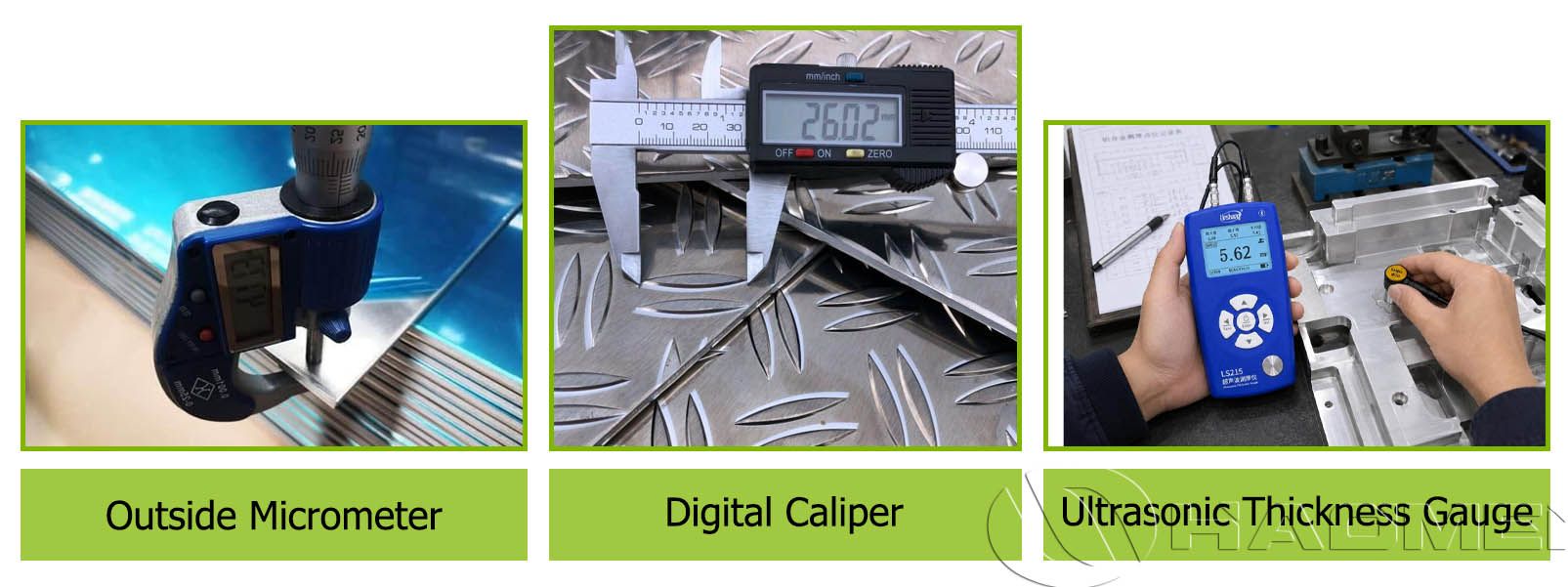
Common measuring tools include digital calipers, outside micrometers, and professional thickness gauges.
1. Digital Caliper
A digital caliper is suitable for quick measurement of standard aluminum plate thicknesses. It is easy to use and can meet general dimensional inspection requirements.
However, for thinner aluminum sheets or products requiring higher precision, a more accurate measuring instrument is recommended.
2. Outside Micrometer
An outside micrometer provides higher measurement accuracy and is suitable for thin aluminum sheet and precision aluminum plate thickness inspection.
During measurement, ensure that the measuring faces are in proper contact with the aluminum surface. Excessive measuring force should be avoided, especially when measuring thin or soft materials.
3. Ultrasonic Thickness Gauge
An ultrasonic thickness gauge measures material thickness based on ultrasonic wave transmission time. It is suitable for situations where direct contact is inconvenient or where localized thickness testing is required.
When using an ultrasonic thickness gauge, the instrument should be calibrated according to the sound velocity of the aluminum material and operated in accordance with the equipment instructions.
4. Multi-Point Measurement Method
To accurately evaluate the thickness of an entire aluminum plate, measurement should not be performed at only one location.
It is recommended to take measurements at multiple points across the plate, including areas near the edges and the central area. Avoid measuring at locations with obvious burrs, indentations, scratches, or local surface defects.
For large-size aluminum plates, measurements should also be taken according to the locations and methods specified in the applicable standard.
How to Select the Right Aluminum Plate Thickness for Your Application
When selecting aluminum plate thickness, material price should not be the only consideration. The actual application, processing method, and required performance of the final product should be evaluated together.
1. Select Thickness According to Load Requirements
For products subjected to significant mechanical loads or requiring structural support, material strength, plate thickness, structural design, and safety factors should all be carefully considered.
Insufficient thickness may result in deformation, reduced rigidity, or even structural failure.
2. Select Thickness According to Processing Method
Different fabrication methods have different requirements for aluminum plate thickness.
Laser cutting: Equipment power, cutting capability, and material thickness must be considered.
Bending: Processing parameters should be determined based on plate thickness, alloy temper, bend radius, and elongation.
CNC machining: Material rigidity, machining allowance, and final dimensional accuracy should be considered.
Welding: Plate thickness, welding method, joint design, and heat input must be evaluated together.
For products requiring multiple processing operations, it is recommended to confirm technical requirements with both the material supplier and processing company before purchasing.
3. Select Thickness According to Weight and Cost
Aluminum plate thickness directly affects material weight and purchasing cost.
For plates with the same alloy density and dimensions, greater thickness generally results in higher weight. The theoretical weight of aluminum plate can be calculated using the following formula:
W = L x B x T x ρ
Where:
W = aluminum plate weight, in kilograms (kg)
L = plate length, in meters (m)
B = plate width, in meters (m)
T = plate thickness, in meters (m)
ρ = aluminum alloy density, in kilograms per cubic meter (kg/m³)
For example, for an aluminum plate measuring 2000 × 1000 mm with a thickness of 3 mm, assuming a material density of 2700 kg/m³:
W = 2 x 1 x 0.003 x 2700
Actual weight may vary slightly depending on alloy composition, dimensional deviation, and processing conditions.
Why Choose HAOMEI Aluminum Plate?
HAOMEI specializes in the production and supply of aluminum and aluminum alloy sheets and plates. We provide a wide range of aluminum plate products for construction, transportation, shipbuilding, mechanical processing, and industrial equipment applications.
According to customer application requirements, we can provide aluminum plates in different alloy grades, thicknesses, widths, and tempers. Common alloys include 1050, 1060, 1100, 3003, 5052, 5083, 5086, 6061, and 6082.
Our product and service advantages include:
Multiple Thickness Options: We provide thin aluminum plate, medium-thickness aluminum plate, and thick aluminum plate for different application requirements.
Dimensional Accuracy Control: We focus on plate thickness, width, length, and dimensional tolerance control to meet a variety of fabrication and processing requirements.
Multiple Alloys and Tempers: We offer various aluminum alloy grades and tempers, including O, H112, H32, H116, H321, and T6. Specific availability depends on the applicable product range and technical requirements.
Custom Processing Services: Cut-to-size processing, surface treatment, and other customized services can be discussed according to customer requirements.
Export Supply Support: We provide product specification confirmation, quality documentation, and international trade supply services.
Whether you need standard aluminum plate for construction projects or high-strength aluminum alloy plate for shipbuilding and industrial equipment, HAOMEI can assist you in selecting suitable material specifications according to your project requirements.